Briefly
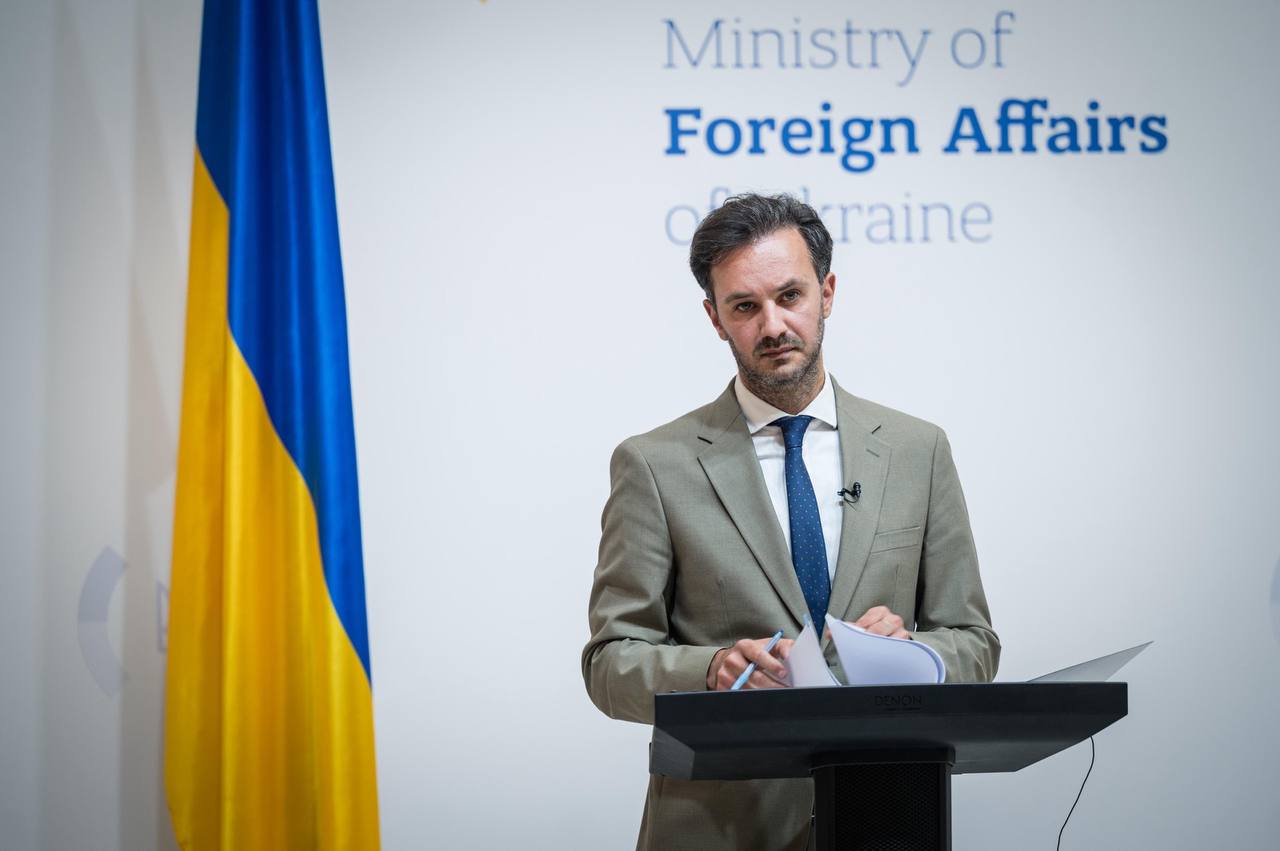
A missile-and-drone strike on central Lviv damaged a unique architectural ensemble of a monastery protected by UNESCO. Foreign Ministry spokesman Heorhiy Tykhyi openly criticized the organization’s response for refusing to directly name Russia as the perpetrator. Meanwhile, the Air Force recorded one of the largest drone attacks — almost 1,000 strike UAVs in a single day; 32 people were injured in Lviv itself.
What happened
On March 25, residential buildings and a historic monastic ensemble with UNESCO protection in central Lviv and in Sykhiv were damaged as a result of a daytime attack. According to the Ukrainian Air Force, Russia launched nearly 1,000 strike drones across various regions of the country that day, causing significant localized destruction and 32 injured in Lviv.
Foreign Ministry position and criticism of UNESCO
"This is a verdict on the dysfunction of this organization, its inability to call things by their proper names."
— Heorhiy Tykhyi, spokesman for the MFA of Ukraine
The MFA emphasizes that when video evidence and open sources point to the use of "Shahed" drones, avoiding direct identification of the aggressor is perceived as the impotence of international mechanisms for protecting monuments and poses a moral risk of normalizing war crimes.
International reaction and corroborating responses
As the MFA noted, a number of partners reacted to the incident: Latvia, Lithuania, Estonia, Portugal, Romania, the United Kingdom, and the president of the OSCE Parliamentary Assembly. These are not just political gestures — the responses from countries show that the international community is paying attention to the risks to cultural heritage and civilian infrastructure.
Technological response: air defense as the first line of protection
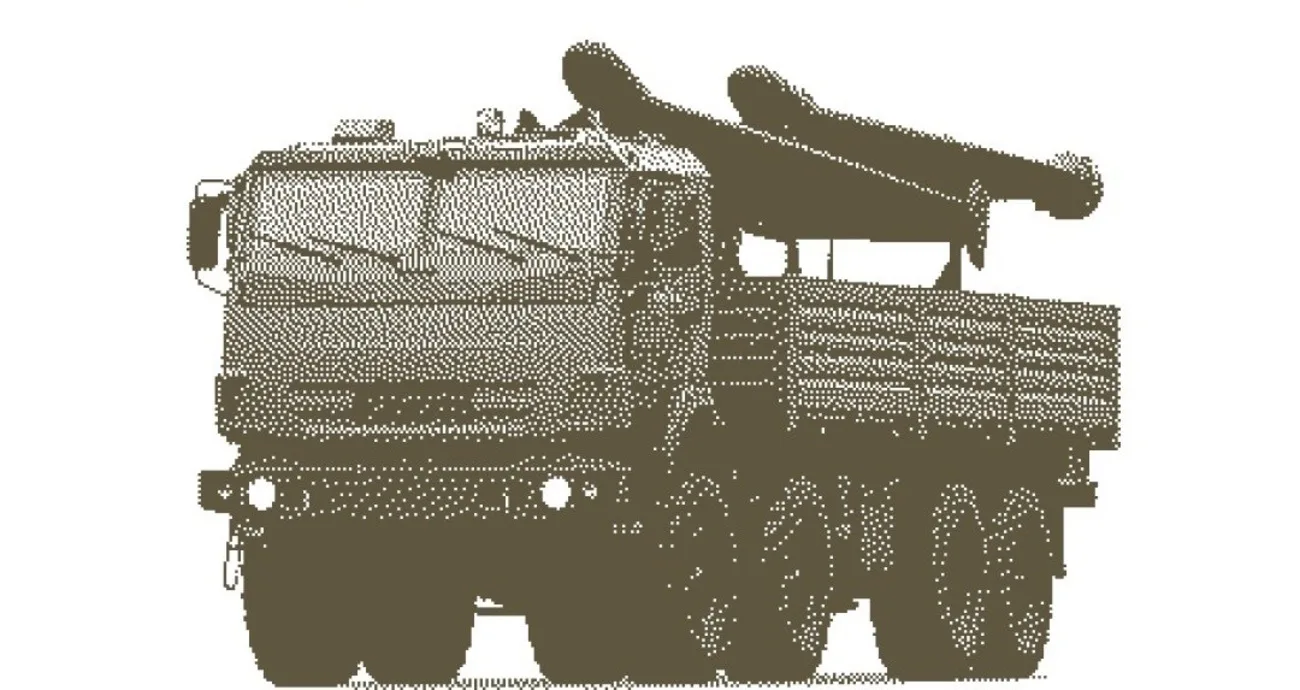
Experts (LIGA.net) comment that the development of domestic medium- and long-range air defense systems can reduce risks to civilian and historic sites. It is a logical sequence: if diplomacy sometimes takes a pause, monuments must be protected technically — faster, more effective air defense systems deliver practical results here and now.
- Facts: nearly 1,000 strike UAVs in a single day (Ukrainian Air Force); 32 injured in Lviv.
- Site: a monastery in central Lviv under UNESCO protection was damaged.
- Partners' reaction: a number of European countries and the head of the OSCE PA expressed solidarity.
What this means for Ukraine and its partners
First, protecting cultural heritage amid hybrid and overt aggression is not only the prerogative of international institutions but also a matter of national security. Second, diplomatic statements must turn into concrete actions: technological support, increased sanctions pressure, and withdrawal from platforms that provide public legitimization to the aggressor.
Conclusion
While some international institutions act cautiously, protecting our cities and monuments remains a task that combines diplomacy, partner pressure, and technical modernization of defenses. The question is simple: will the world have the resolve to name the guilty and act swiftly — or will the entire burden once again fall on those who keep air defenses on the front line?