In brief: a signal from Paris
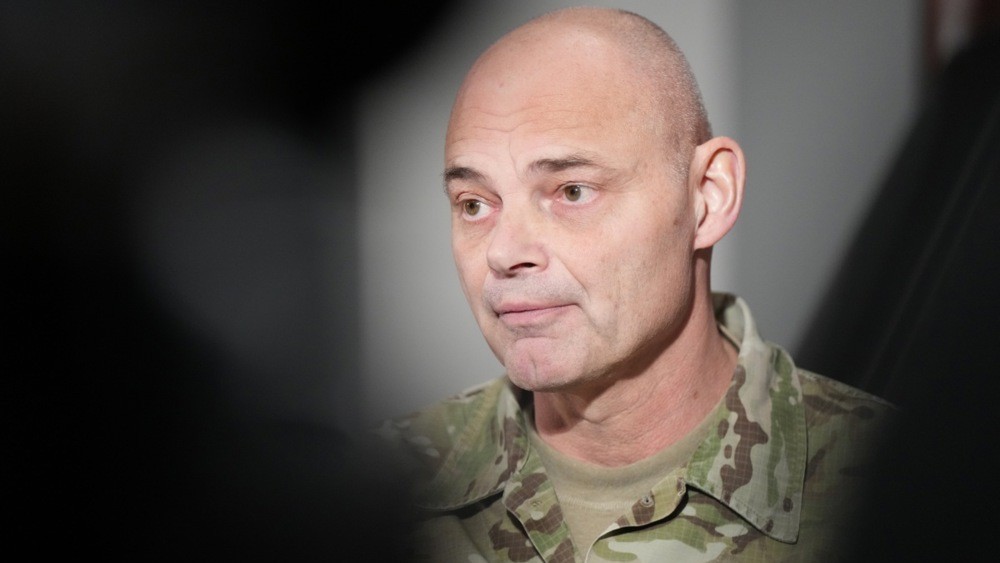
At the Paris Defense Forum, Denmark’s Chief of the General Staff, General Mikael Viggers Hildgaard, said that European countries are "not truly ready" for high-intensity warfare, Politico reports. This assessment is not an emotional remark but a warning with concrete consequences for strategy and aid to Ukraine.
What the general said
"We need to change our thinking: from analysis to action. We are no longer very surprised, but we are also not truly ready"
— Mikael Viggers Hildgaard, Chief of the General Staff of Denmark (quote via Politico)
He emphasized that deterrence rests on combat power, reliable alliances, stockpiles, industrial capacity and logistics chains — and that effective deterrence works only when a potential aggressor judges the cost of attack to be too high.
Why this matters for Ukraine
Ukraine has given European militaries unique hands‑on experience of modern war. As expert Valentyn Badrak reminded readers on LIGA.net, it was Ukrainian experience that accelerated the rethinking of tactics, logistics and the use of UAVs in combat conditions. The current task is to scale these lessons up within European defense institutions — from stockpile policy to industrial mobilization.
Context: worrying signals from the Alliance
Recent episodes reinforce Hildgaard’s warning: German assessments increasingly point to the possibility of Russian aggression sooner than expected, and Lithuanian intelligence records force buildups near NATO borders. This means that questions of stockpiles, production and logistics capabilities are no longer "for the future" but for today.
Where the opportunity for Ukraine lies
There is also positive news: parts of European production chains are already integrating with Ukrainian initiatives — for example, Denmark is among the partners in joint UAV manufacturing in Europe. This is not just business: it is technological and operational cooperation that raises overall defense resilience.
What to do next
Analysts agree that three things must be accelerated — stockpiles (ammunition, fuel, spare parts), industrial capacity (rapid scaling within the EU and cooperation with Ukraine) and logistics (supply routes and equipment repair). For Ukraine this is an opportunity to turn combat experience into long‑term integration into European security chains.
"If we in Europe want to be able to defend ourselves by 2030, we have to prepare for it. High‑intensity war is not a scenario, it is a reality"
— Mikael Viggers Hildgaard (quote via Politico)
Conclusion
The Danish general’s words are not a call to panic but a roadmap: it is time to turn analysis into action. For Ukraine the key is to use its own experience as leverage to strengthen European defense readiness — while accelerating internal mobilization of industrial capabilities to make deterrence truly painful for any potential aggressor.





