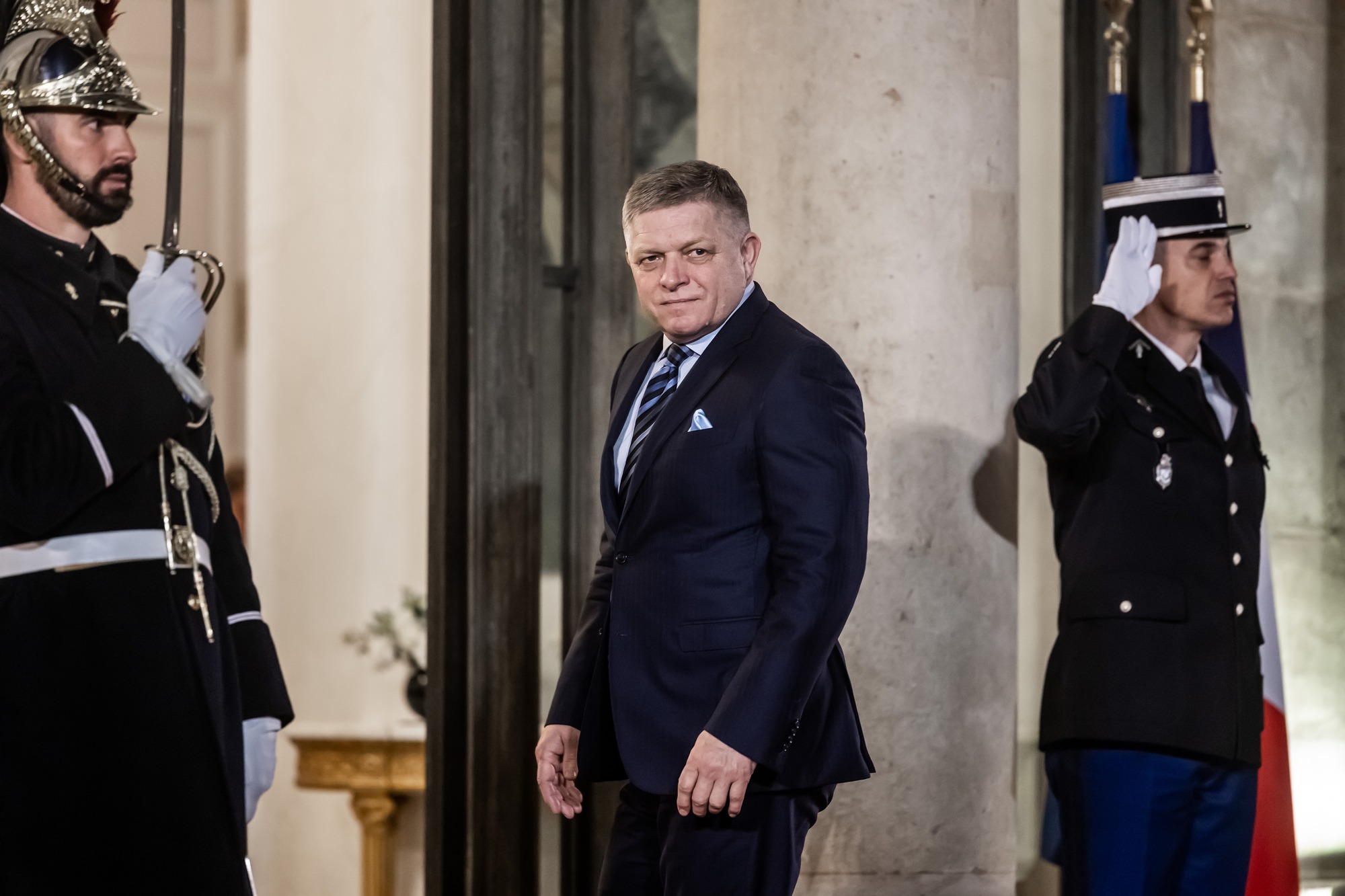
An important nuance in the official protocols
The essence in two sentences: Hungarian Foreign Minister Péter Szijjártó, according to publications, had private contacts with Russian Foreign Minister Sergey Lavrov during breaks at meetings of the Council of the EU. WP (21 March 2026) quotes a European diplomat, and Hungarian journalist Szabolcs Panyi published a transcript of a 2020 conversation. At the same time, Dennik N cites Slovak Prime Minister Robert Fico, who said he had seen no evidence of such talks.
What exactly has been made public
According to the released excerpts, in the conversation Szijjártó asked Lavrov to help arrange a visit by a Slovak politician to support his electoral campaign. At the same time, the European Commission has officially asked Budapest for explanations regarding a possible exchange of information obtained in the confidential format of Council meetings.
"Let everyone call whoever they want. I have not seen any evidence"
— Robert Fico, Prime Minister of Slovakia (quote via Dennik N)
"For us it is very important that the coalition there continues to exist... it is much more important for [Slovak] society than a trip to Washington"
— Péter Szijjártó, Minister of Foreign Affairs and Trade of Hungary (transcript published by Szabolcs Panyi)
Why this matters for Ukraine
There are two key risks. First, if a minister of an EU member state shares with Russia information discussed in the Council's closed format, it undermines the trust mechanism on which sanctions and the coordination of aid to Ukraine are based. Second, even the mere fact of regular contacts creates the possibility of a split in EU positions — from energy deals to military support. Therefore, this concerns not only diplomatic ethics but the security and resource support for our defense.
Reaction and possible consequences for Budapest
In the short term — political pressure and a demand for official explanations from the European Commission. Analysts note that technical measures may follow: restricting access to some classified Council discussions or tightening control over information flows during meetings. In the long term — a loss of trust that is hard to compensate with declarations; this affects Hungary's ability to form coalitions within the EU and, consequently, the effectiveness of joint decisions on sanctions and aid to Ukraine.
What happens next
The expert community agrees: transparency and an independent establishment of the facts are needed. If the European Commission receives convincing explanations — this will reduce the risks; if not — the consequences may affect not only Budapest but also the procedures that protect the EU's collective security. For Ukraine, this is another reminder: strategic trust between partners is not a privilege but an instrument of survival and support.
Now it is up to the European Commission and the capitals: declarations must be turned into documentary responses that will restore or call into question the level of trust within the Union.





