What happened
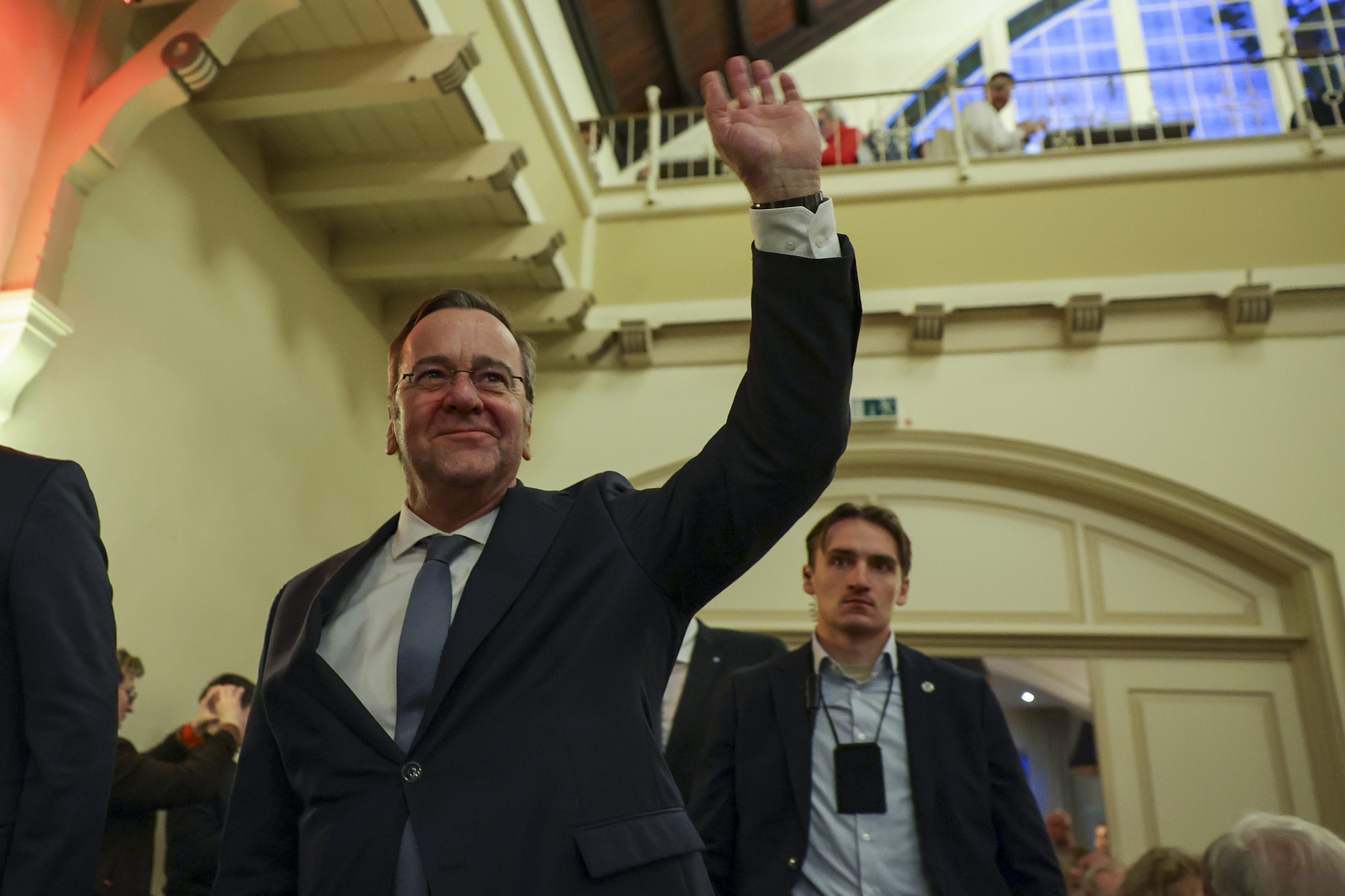
According to Spiegel, citing interlocutors in Lviv and European circles, Germany’s defence minister Boris Pistorius has mobilised a batch of PAC-3 missiles for Ukraine among partner countries. In total, the number to be delivered in the coming weeks is estimated at about 35 missiles — 30 from several European countries and roughly 5 from German stocks.
Why this matters
PAC-3 is a modern interceptor for Patriot systems, designed to counter ballistic missiles, aircraft and drones. In the context of the escalation in the Middle East and high demand for such munitions, their availability has become critical. For Ukraine’s air defence, this means additional protection for key facilities and the population during peak attacks.
"the number is 'close to the planned target'"
— German Ministry of Defence
Sources and limitations
The German ministry confirmed that work is underway but, for security reasons, declined to specify exact timing and the final number. Spiegel cites unnamed interlocutors; the situation is given additional weight by public statements from several European delegations that agreed to help with the supplies.
How much it costs and how large-scale it is
One PAC-3 missile is estimated at around €4 million. At the same time, Lockheed Martin's production capacity yields about 50 PAC-3 missiles per month — so rapid mass scaling of deliveries is limited. According to President Zelensky, partners in the region have used hundreds of interceptors in a short time, further depleting global stocks.
What this means for Ukraine
This is a tactical reinforcement that allows strengthening the protection of critical infrastructure and major cities in the short term. However, it does not solve the shortage on a permanent basis: regular deliveries and the development of domestic air-defence systems are also needed.
"Ukraine's air defence needs both external support and large-scale development of its own solutions — only then will we ensure long-term resilience"
— Valentyn Badrak, director of the Center for Army, Conversion and Disarmament Studies
Conclusion
Pistorius's initiative is a telling example of partner coordination in a crisis moment: it is a temporary but important reinforcement. The next steps are to clarify logistics, integrate the missiles into existing systems and synchronize this with a long-term strategy for developing Ukraine's air defence. Now the question for partners is whether they can turn this declaration into a sustained flow of weapons and resources.





