What it’s about
The National Paralympic Committee and the Paralympic Team of Ukraine have published a joint statement about systematic pressure from representatives of the International Paralympic Committee (IPC) and the Games’ organizing committee. In it, the team describes a series of events that, in their view, are closely connected and create a pattern of unexplained leniency toward the Russian and Belarusian sports delegations.
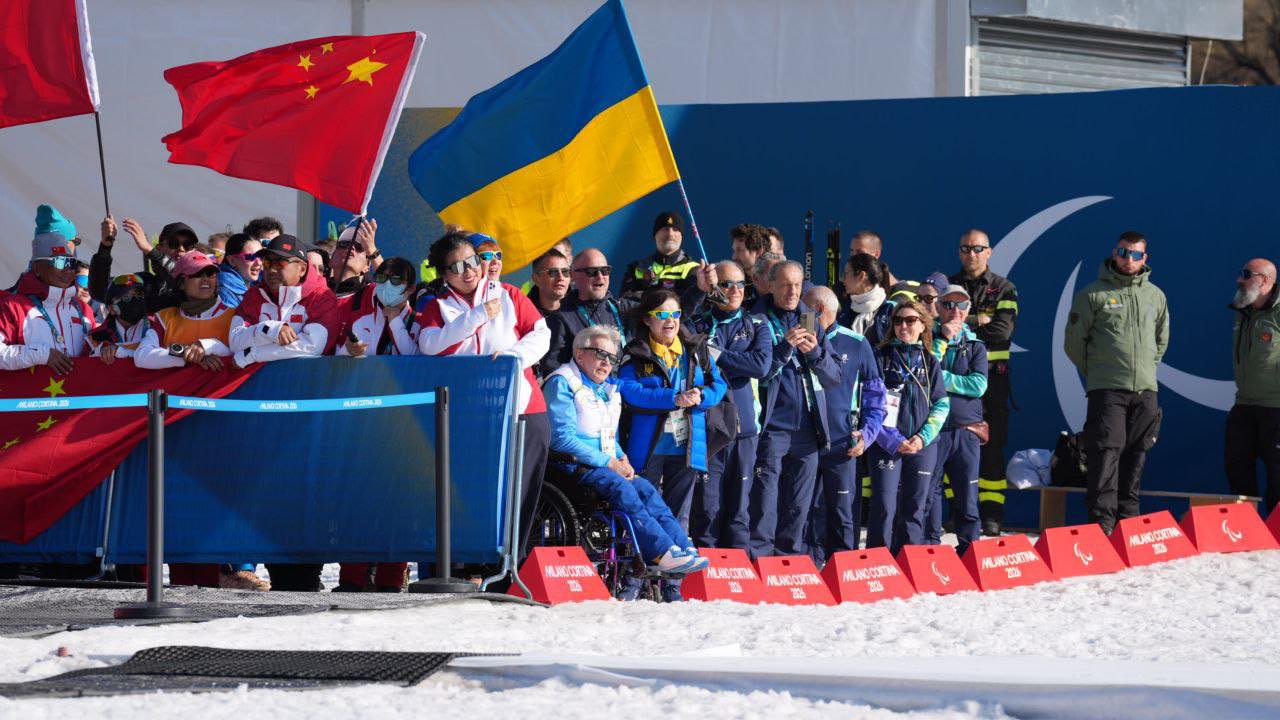
"For more than two days IPC representatives constantly told us that they were thinking about where the Ukrainian team would be allowed to hang a flag on the building where the team is staying. In the end the Ukrainian flag was allowed to be placed where it is less visible."
— National Paralympic Team of Ukraine
Specific incidents
In the statement the team cites several episodes illustrating their claims:
Problems with the flag. A representative of the organizing committee allegedly forced the flag to be taken down from the building where the team is staying, and later approved a location for it so that it would be less noticeable.
Restrictions on meetings. The team’s daily brief wrap-up meetings in the common hall were repeatedly criticized by IPC and organizing committee representatives, citing vague regulations.
Symbols and personal ornaments. During an awards ceremony, the team reports, an IPC security officer "forcibly" tried to remove earrings from athlete Oleksandra Kononova that featured the Ukrainian flag and the inscription "Stop War"; the earrings were removed without explanation.
Incident involving Taras Radi’s family. The family of the champion, who had purchased tickets independently, allegedly had small flags and women’s headscarves with national ornamentation confiscated at the entrance to the stands.
"Oleksandra Kononova and the whole team remind the International Paralympic Committee that peace in every person’s life is a human right!"
— National Paralympic Committee of Ukraine
Context and possible motives
The situation should be viewed through three key lenses: athlete safety, the right to identity, and the IPC’s regulatory consistency. Team members initially avoided loud accusations, but the accumulated incidents have a systemic character: these are not isolated misunderstandings but repeated restrictions aimed specifically at the Ukrainian delegation.
Sports analysts and several public reports indicate that after the return of Russia and Belarus to competitions within international bodies, pressure on regulations and their interpretation has increased — creating room for subjective decisions. That is why Ukraine’s demand to return to the clear provisions of the IPC Constitution sounds like a call to restore standards and predictability.
Examples on a timeline
9 February: one official reportedly prohibited skeleton racer Vladyslav Heraskevych from using a helmet depicting athletes killed as a result of Russian aggression; on 12 February he was disqualified before the first run.
18 February: it became known that several Russian and Belarusian athletes would compete under their own flags, and national anthems would be played for gold medalists.
4 March: Sibiga publicly criticized the IPC for banning uniforms with a map of Ukraine.
Demands and possible consequences
The National Paralympic Committee of Ukraine demands that IPC leadership return to the provisions of its Constitution and coordinate the actions of executive bodies during the Games. This is a direct request to restore procedural transparency and guarantees for athletes.
If the IPC does not provide clear, documented responses, the consequences could be threefold: increased diplomatic pressure on the organizers, public appeals to international bodies demanding investigations, and further escalation of distrust between national delegations.
Summary
This issue is not only about symbols — it is about an athlete’s right to dignity and about ensuring that international rules are applied equally. The ball is now in the IPC’s court: will the organization respond in a documented and transparent manner, or will it allow the situation to unfold according to ad hoc decisions? The Ukrainian side has already made its move — practical responses and guarantees are now crucial.





