What happened
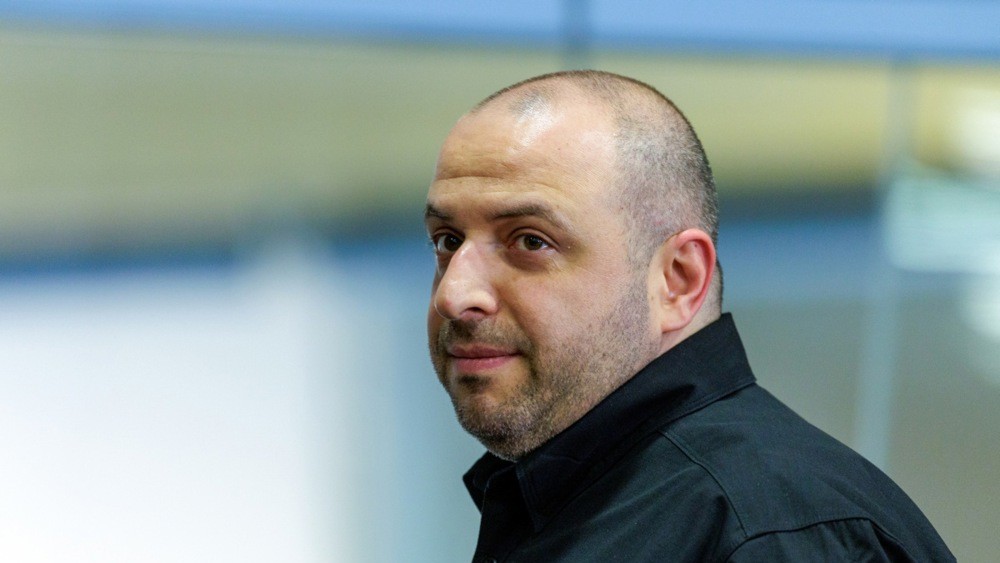
On March 25, Secretary of the National Security and Defense Council Rustem Umerov reported on Telegram about cases in which unknown individuals are impersonating him and contacting diplomats and partners requesting information.
"These messages have nothing to do with me or my official activities."
— Rustem Umerov, Secretary of the NSDC
Why it matters
It may seem like a small thing — "just another" fake. But for diplomatic and military communications it's a direct threat: undermining trust in the chain of information transfer makes procedures through which intelligence, logistics, and coordination with partners pass vulnerable.
Context: technologies and precedents
According to reports by LIGA.net and expert columns, today artificial intelligence greatly simplifies creating authentic-seeming forgeries of voice and text — from deepfake videos to fabricated chats. This is not a theoretical risk: in 2025 Russian Telegram channels spread a deepfake of Olha Stefanishyna, and in 2022 pranksters attempted to call the leadership of Baykar Defence using voice-spoofing technologies.
"Artificial intelligence is actively used by both criminals and defenders — this creates new threats and challenges in cybersecurity."
— Serhii Korsunskyi, diplomat (comment in a LIGA.net column)
What to do now
The NSDC has already urged verifying communication sources and reporting suspicious requests to the Office of the NSDC of Ukraine. Practical steps for diplomats, volunteers, and civil servants:
- Confirm identity through official channels — do not respond to unverified messages.
- Do not transmit confidential information by email or messengers without additional authentication.
- Report suspicious contacts to the Office of the NSDC and your institution's IT services.
Conclusion
This incident is an example of how asymmetric tools (deepfake, impersonation) work to undermine trust. Protecting communications is not only about technology, but about procedures and a culture of security. While state and private entities adapt protective tools, the responsibility for preserving channels of trust rests with everyone who communicates with international partners.





