A quiet breach that matters
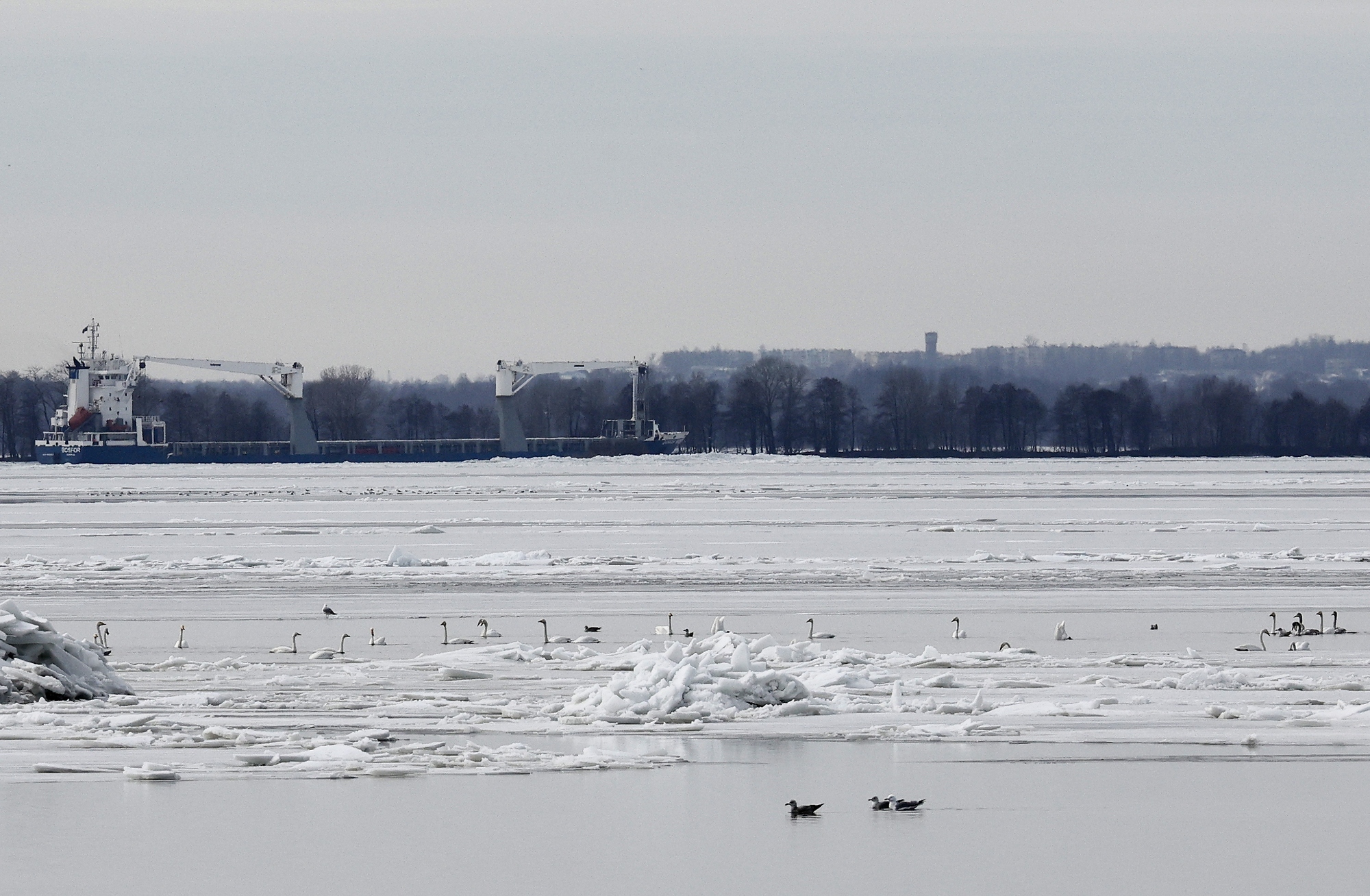
The Estonian Ministry of Foreign Affairs on March 3 handed a note to the representative of the Russian Federation after on February 28 the Russian icebreaker “Murmansk” entered Estonian territorial waters without permission near the island of Vaindloo in the Gulf of Finland. The stated purpose of the entry was to free the tanker “Olympic Friendship”, which was stuck in the ice, but the fact of an unannounced entry and the lack of notification prompted a diplomatic response.
"With this note we would like to remind Russia that clear and unambiguous rules apply in Estonia's territorial waters, even during the icebreaker season. Compliance with these rules is mandatory for everyone to avoid future violations of procedural law."
— Margus Tsahkna, Minister of Foreign Affairs of Estonia
Facts that matter
According to Estonia, the icebreaker remained within state waters for about four minutes, did not respond to radio messages from the Estonian Navy and had not been pre-coordinated with the MFA. Under international practice, foreign vessels may transit territorial waters freely only if they notify the MFA at least 48 hours in advance; Estonia has stated its willingness to reduce this period to 6 hours for the duration of the icebreaker season.
Why this matters for the region
At first glance — a brief episode with a humanitarian subtext. But in practice such incidents test social and legal norms. If the flag state ignores notification procedures or does not respond to requests from the coastal state, this creates risks of escalation, miscalculation and undermines trust in the Baltic region.
Wider context
Analysts note that this incident does not exist in a vacuum: at the end of February other provocative events were recorded, including a drone approaching the French aircraft carrier Charles de Gaulle and reports of UAV launches from a Russian electronic warfare ship. Such cases form a pattern of behavior that requires coordination at the allies' level.
Consequences and likely steps
The Estonian note is a formal but important diplomatic response. Expected next steps include initiatives to shorten notification times during the icebreaker season, strengthening maritime monitoring and coordinating response protocols within NATO and among regional partners. The social and legal precedent could provide grounds for stricter traffic-control practices in the Arctic and the Baltic Sea.
Conclusion
The incident with “Murmansk” — a symmetry between technical necessity and a political signal. Estonia’s note confirms: rules matter, and their violation requires not emotion but a systemic response. Whether partners will turn the diplomatic stance into joint control procedures is a question on which the security of the region's sea lanes depends.





