Why this matters now
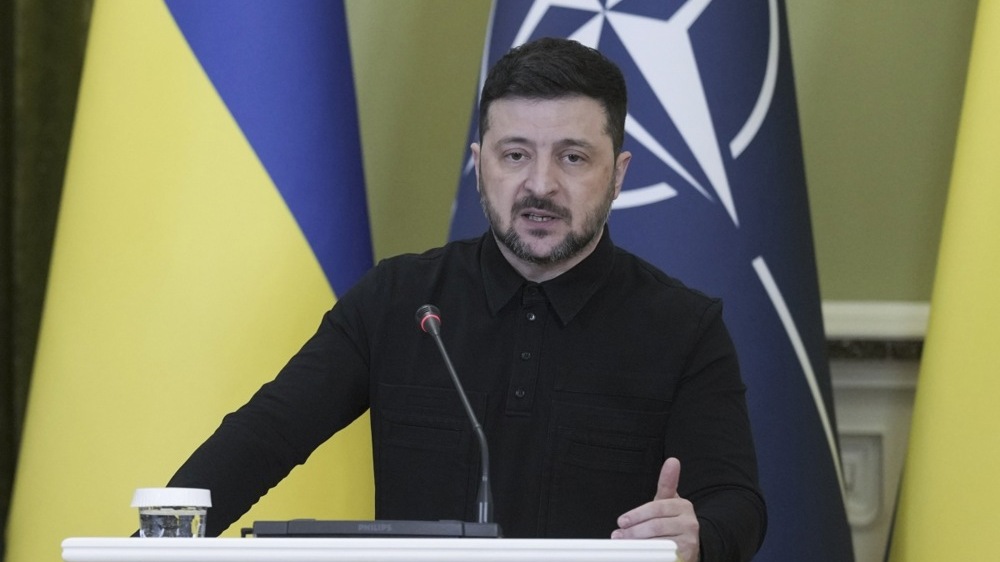
President Volodymyr Zelensky reported negotiations at the team level with the UAE, Qatar and other countries in the region on joint measures to protect against Iranian Shahed drones. This comes amid an intensification of attacks in the Persian Gulf and a growing demand for air-defense systems.
"Ukrainian expertise in defending against 'Shaheds' is now the greatest in the world, and the 'Shaheds' are the biggest challenge there, in the region. It's clear why so many are turning to Ukraine"
— Volodymyr Zelensky, President of Ukraine
What this means in practice
Zelensky emphasized that cooperation is possible only if it does not reduce Ukraine's defensive potential. It's not only about exchanging tactics and specialists, but also about a possible redistribution of interceptor missiles and other air-defense resources — a critical asset for repelling strikes on populated areas and critical infrastructure.
Authoritative media signals and risks to resources
The Wall Street Journal reported large-scale strikes by Iranian drones on bases in the region, and Bloomberg cited an internal Qatari analysis suggesting that stocks of interceptors for Patriot systems could be depleted after just a few days of intense use. This is a direct illustration of why the question of redistributing air defenses has a practical dimension: when demand in the region rises, Ukraine may be left with fewer resources.
Diplomacy without harm to the front
Earlier Zelensky proposed sending Ukraine's best specialists to the Middle East provided regional leaders could agree to a temporary ceasefire with Russia; in his latest address that condition was not mentioned — likely indicating a pragmatic approach: Kyiv leaves room for diplomatic maneuver, but sets a principle — resources for defending people in Ukraine must not be reduced.
"Any cooperation of this kind to protect partners is possible only without reducing the potential in Ukraine"
— Volodymyr Zelensky, President of Ukraine
What this means for Ukrainians
In short: Ukraine may gain diplomatic and political dividends from helping the region (increased international solidarity, political guarantees), but this is also a test of partners' ability to secure themselves without taking critical means away from those fighting Russia.
Conclusion: This is a move in two dimensions — practical assistance to the region and a demonstration of Ukrainian expertise. The next round of negotiations will show whether these arrangements turn into guarantees that do not undermine our ability to protect people at home.





