Main points
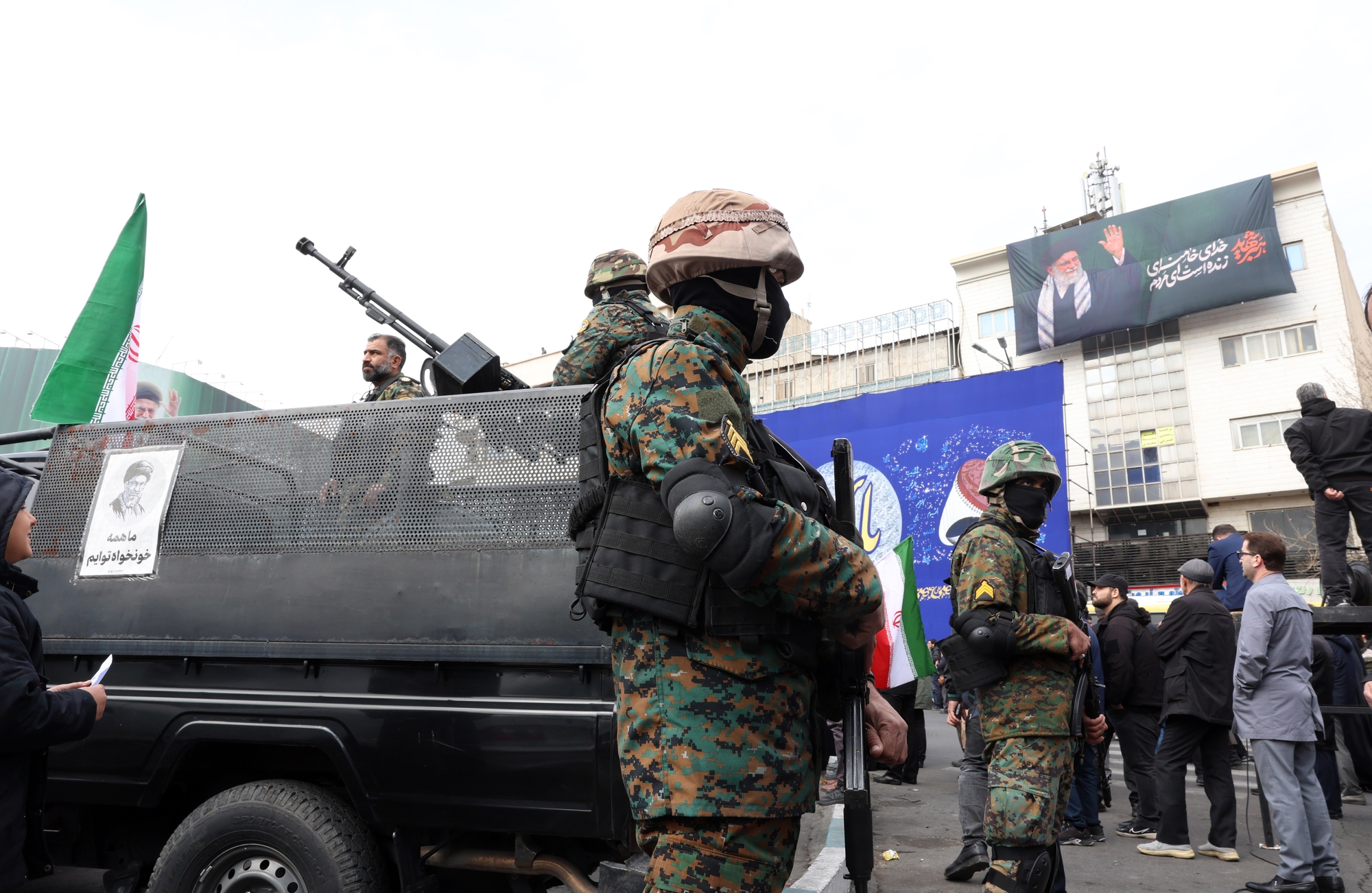
Reuters, citing several unnamed sources, reports that U.S. intelligence sees the Iranian regime as largely intact and not under an immediate threat of collapse after large-scale strikes by the United States and Israel. There were no official comments from the Office of the Director of National Intelligence (DNI) or the CIA.
What intelligence has concluded
According to Reuters’ sources, the latest analytical reports contain a consistent conclusion: Iran’s leadership and key structures, including the IRGC (Islamic Revolutionary Guard Corps), retain control over the situation inside the country, although local dynamics can change quickly. This conclusion is reinforced by information that, while the strikes killed dozens of senior officials, organizational resilience has remained.
"Many intelligence reports contain a consistent analysis that the regime is not facing collapse and retains control over the Iranian population."
— an unnamed source, Reuters
Context: what happened and how it relates to the statements
The United States and Israel struck a range of targets — from air-defense systems to sites linked to nuclear infrastructure, as well as senior leadership. U.S. President Donald Trump said he intended to "finish the operation soon," but even within administrations and among allies they acknowledge that finding a legitimate and acceptable end to the conflict is difficult if hard-line elites remain in power.
As reported, during closed consultations Israeli officials also did not express confidence that the campaign would lead to the collapse of the regime — another signal that military strikes do not guarantee a rapid political outcome.
Why this matters for us and global stability
First, the stability of Iran’s leadership means the conflict could drag on, and therefore continue to put pressure on global energy markets. Second, if the U.S.-Israeli campaign fails to achieve its political goal, the risk rises of escalation or of a transition into a protracted phase with sporadic strikes and counterstrikes.
For Ukraine this has several concrete consequences: increased volatility in energy prices, the diversion of diplomatic and military attention from partners, and potential risks of expanding instability in regions where global supply and security chains are formed.
What sources say and what uncertainties remain
The intelligence reports, Reuters says, were prepared in recent days and draw on multiple sources of information. However, analysts warn that the situation on the ground is fluid, and internal conflicts, sabotage or new strikes could change the balance of power.
"The situation on the ground is fluid and dynamics inside Iran can change."
— unnamed sources, Reuters
Conclusion
As of now, the U.S. assesses that the regime in Tehran has withstood the first week of strikes. This means escalation may be prolonged, and partners should carefully turn statements into concrete steps for de-escalation and deterrence. For Ukraine, the key is to monitor the consequences for energy security and for the diplomatic mobility of allies, since our strategic interests in the coming months will depend on those factors.





