Brief and to the point
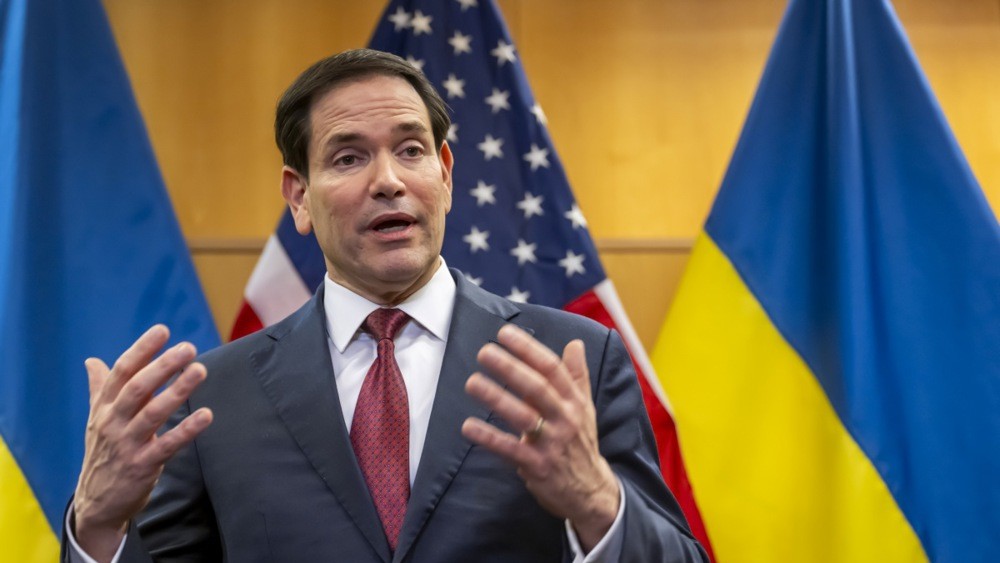
Senator Marco Rubio, speaking to the media on February 25, outlined the Donald Trump administration’s approach to the Russian‑Ukrainian crisis: a combination of military aid to Kyiv, sanctions against certain Russian companies, and diplomatic mediation. This mix, he said, is intended to pressure the Kremlin while preserving the U.S. role as a potential catalyst for negotiations.
What Rubio said
"The administration continues to increase pressure on Moscow. For example, the president imposed additional sanctions at the end of last year against their oil company 'Rosneft.' The administration continues to sell weapons to Ukraine. We do not sell weapons to Russia and we are not imposing sanctions on Ukraine."
— Marco Rubio, U.S. senator
"We do not want to step back from [peace talks]... We know that ultimately this war in Ukraine has no military solution. This war will be resolved through negotiations, and right now we are the only country in the world that can be a catalyst for talks."
— Marco Rubio, U.S. senator
Context and significance for Ukraine
This matters for several reasons. First, arms deliveries are not only tactical assistance on the front lines but also a signal of political pressure on Moscow. Second, sanctions against key companies make the economic pressure systemic. Third, the U.S. position as mediator gives Kyiv an additional platform for diplomatic steps, but it also imposes responsibilities — partners may demand real concessions in communication and preparation for negotiations.
What's next — practical developments
Rubio also emphasized President Trump’s frustration that the war continues, though he did not make any specific forecasts about policy change. Meanwhile, several meetings are on the agenda: today, February 26, a meeting in Geneva will take place between Umerov and U.S. negotiators Steve Witkoff and Jared Kushner (there will be no Russians). A new trilateral meeting is planned for early March; Trump has expressed a desire to raise the issue to the leaders' level after this series of talks.
Experts' assessment
Analysts in Washington note that combining sanctions pressure with military support is a standard toolkit for increasing the aggressor’s costs and creating conditions for negotiations from a stronger position. However, the success of this approach will depend on the consistency of actions and on the partner’s (in this case Ukraine’s) readiness to defend its terms in dialogue.
Conclusion
Rubio’s words indicate that Washington currently views the combination of sanctions, weapons, and diplomacy as the optimal strategy. The question for Ukraine is whether these declarations can be turned into lasting security guarantees and concrete results on the battlefield and at the negotiating table. Whether partners will maintain their role as catalyst depends on how quickly and clearly words are turned into actions.





