Briefly
Systematic work of the security services often remains outside the headlines, but it shapes security on the front lines and inside the country. Today's report from the acting head of the SBU to the president is exactly that kind of signal: operations were carried out, there are results, but the time for public disclosure has not yet come.
What happened
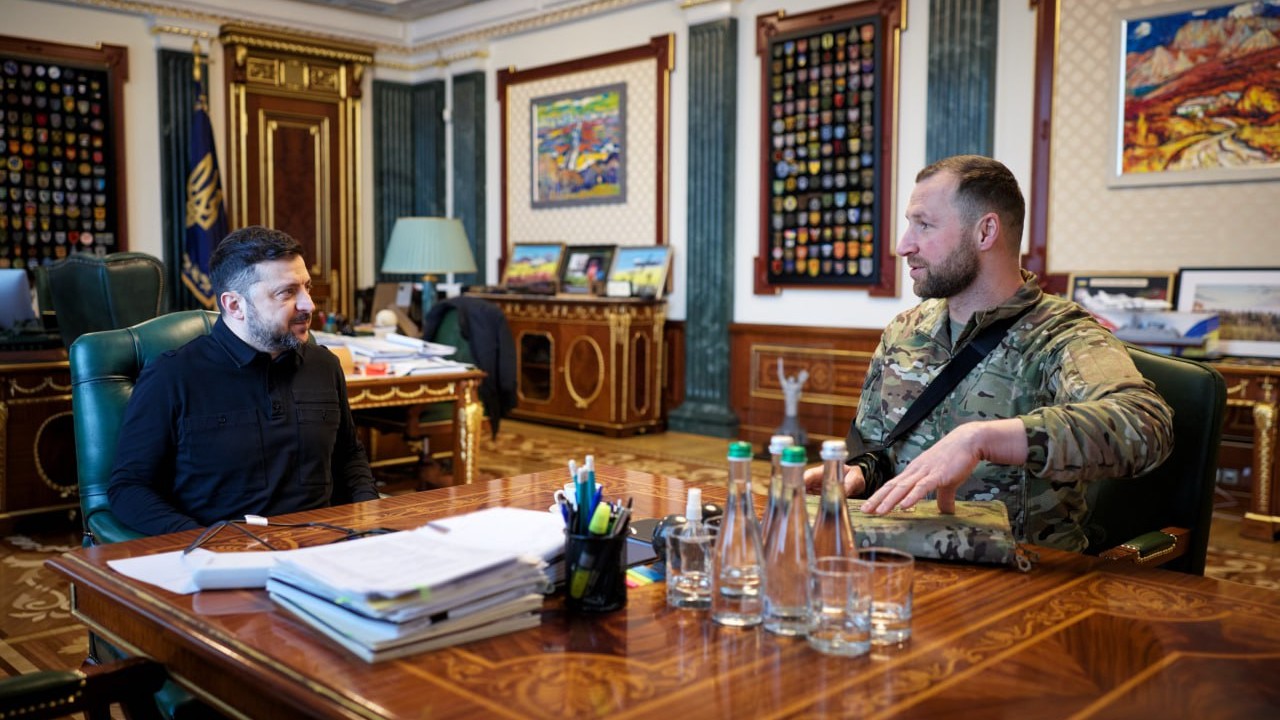
According to the president, the acting head of the SBU, Yevheniy Khmara, reported to Volodymyr Zelenskyy on the details of recent combat operations conducted by the security service. The details are not being disclosed publicly; instead, the emphasis was placed on the fact that the operations were successful.
"It is important that our combat operations by the SBU are being carried out exactly as Ukraine needs. Yevheniy reported on the details of the operations that took place recently. At this stage it is still too early to speak about them publicly, but the results we were counting on are there"
— Volodymyr Zelenskyy, President of Ukraine
The president also stressed that these operations were coordinated, and that the service continues to counter all forms of sabotage against Ukraine and manifestations of collaboration with the Russian Federation.
Context of personnel changes
On January 5, Lieutenant General Ivan Malyuk resigned from the post of head of the SBU, after which the president appointed the head of the SBU's Center for Special Operations "Alpha," Yevheniy Khmara, as the acting head of the service. Zelenskyy also noted that after his resignation Malyuk will remain involved in asymmetric operations against Russia.
An interlocutor for LIGA.net pointed out that Khmara's effectiveness will partly depend on his working relationship with Malyuk. On January 9 the president submitted a document to the Verkhovna Rada regarding Malyuk's dismissal — a procedure meant to legally formalize the changes.
Why this matters
First, confirmation of operational results by the head of state sends a signal to the enemy and boosts morale within the defense ranks. Second, the transitional leadership in the SBU demonstrates that the service maintains operational capability during personnel changes — a key condition for continuing large-scale operations.
Analysts and sources in the security community emphasize that at a time like this, not only tactical successes matter but also clear coordination with the military, intelligence services, and international partners. This affects both the speed of response and the further allocation of resources.
What next
The statement is a confirmation of the course of operations, but not their conclusion. The next steps include completing personnel procedures in parliament, securing logistics and international support, and implementing an information strategy that will preserve operational advantage without unnecessary disclosure of details.
The practical question remains: will the new leadership of the SBU be able to combine swift operational decisions with internal stability of the service and coordination with allies? The effectiveness of the next stages of counter-sabotage and asymmetric work will depend on that.





