What happened
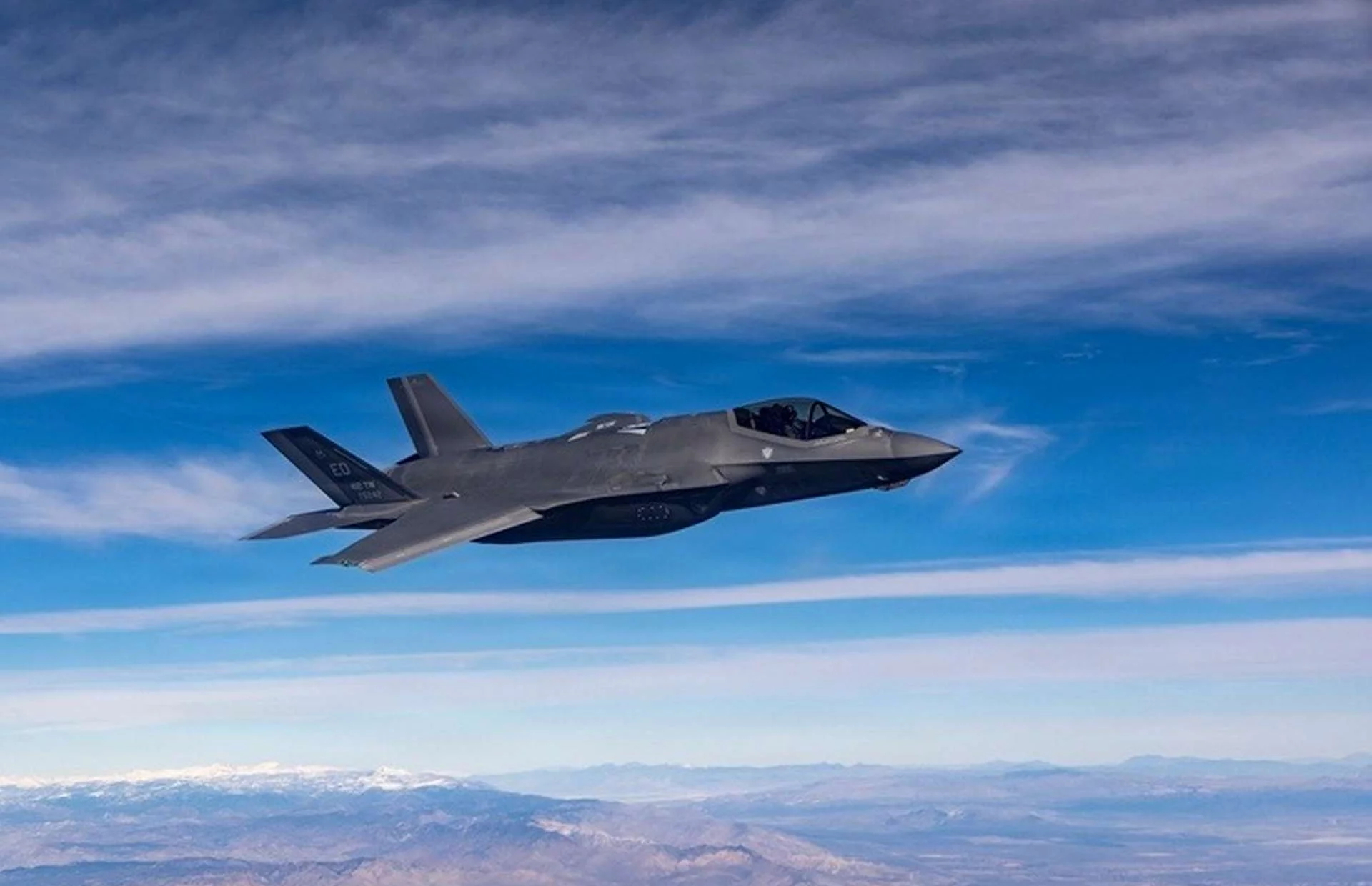
In the United States, Lockheed Martin tested the integration of artificial intelligence algorithms into the F‑35 fighter’s sensor architecture as part of the Project Overwatch program at Nellis Air Force Base. According to the manufacturer, the AI ran directly on board the aircraft and helped classify sources of radio emissions in real time — from surveillance radars to guidance systems.
The integration does not replace the existing data‑fusion system (radar, RWR, IR sensors, optics) but complements it with a new algorithm that allows potential threats to be separated from background more quickly. Engineers also reported the ability to update the model operationally: add new types of signals and upload that update before the next sortie.
Why it matters
Essentially, this is about speeding up decision‑making at the sensor level. In combat, every second means lives saved and missions accomplished. Faster and more accurate identification of enemy radars increases the effectiveness of air‑defense suppression efforts, reduces risk to the pilot, and provides an advantage during reconnaissance and target engagement.
For Ukraine this has practical significance: the ability to quickly classify signals helps counter complex networks of Russian air defenses and adapt tactics in near‑real‑time. The speed of updates is also important — it is a way to respond quickly to the emergence of the enemy’s new electronic warfare systems.
"During the flight the AI system helped more quickly determine which signals in the air were potential threats."
— Lockheed Martin
Context and consequences
The test is part of a broader modernization strategy: alongside Project Overwatch, Lockheed Martin is showcasing other products, including the NGSRI interceptor missile and deliveries of F‑35As for European partners. It is a signal to the market and to politicians: defense capabilities are modernizing rapidly, and partner countries must set priorities for integrating such technologies into their arsenals.
What’s next
Technical success in tests is only the first step. For the benefits of such solutions to become tangible for Ukraine, the following are needed: access to updates and compatible electronic warfare systems, operator training, and political decisions on technology transfer and cooperation. For now the focus is on tests, but the next level is standard procedures for integration and operation under real threat conditions. How quickly and well this happens depends on partners’ decisions and on the readiness to adapt to the new tempo of the information environment.