Briefly
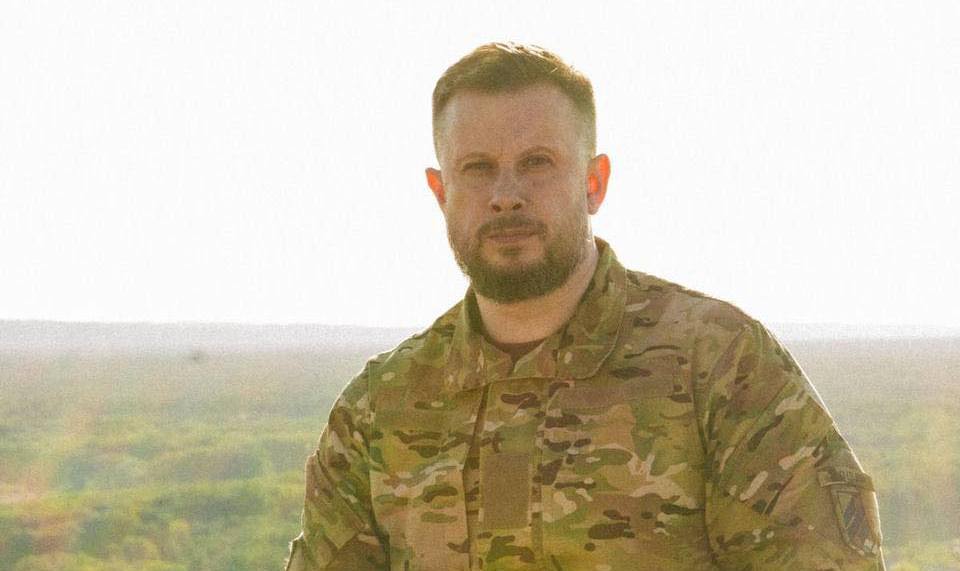
The SBU reports that Russian intelligence services were preparing a missile-and-bomb strike on the position of the commander of the Third Army Corps, who, as of March 2026, is Andriy Biletsky. The suspect, a drone operator, was detained on the grounds of the garrison before the plan could be carried out.
Details of the investigation
According to the investigation, the subject — a UAV operator from another brigade on the Kharkiv axis — used service information and attempted to obtain data classified as "secret" about the time and place of the general’s arrival at the positions. SBU counterintelligence, with assistance from the command of the Armed Forces of Ukraine and the Unmanned Systems Forces, acted preemptively and documented contacts with Russian handlers.
Russia was preparing a missile-and-bomb strike on the location of a Ukrainian general, the commander of the Third Army Corps in the combat zone.
— Security Service of Ukraine
How it worked
The investigation found that the recruitment took place through personal ties: the suspect’s ex-wife, who is on the temporarily occupied territory of Zaporizhzhia Oblast, allegedly collaborates with the Russians. For secrecy, the suspect regularly deleted messages. During the arrest at the garrison, a phone with evidence of communication was seized. The man was charged with state treason; the court imposed pretrial detention — custody; he faces a potential life sentence.
Context and significance
This case fits a broader trend: in February, plans by the Russian Federation for "high-profile" assassinations of journalists and military personnel became known, which Ukrainian and Moldovan services said they foiled. Experts note that the enemy is systematically working to infiltrate internal communication channels and recruit people with access to operational information.
What this means for security
The incident underscores two important points: first, even at the front line a key threat can come through the human factor and communication channels; second, proactive counterintelligence work can stop an operation at an early stage. For military leadership, this is a signal to strengthen access controls, monitor personnel communications, and tighten procedures for handling service information.
Conclusion
The situation shows that the threat is not limited to artillery and drones — it includes human recruitment networks. The response must be systematic: from operational counterintelligence to stricter control over access to classified information. While the investigation continues, the key question for partners and society is how to minimize vulnerabilities within our structures so that the loss of any soldier or commander is unacceptable.





