Brief
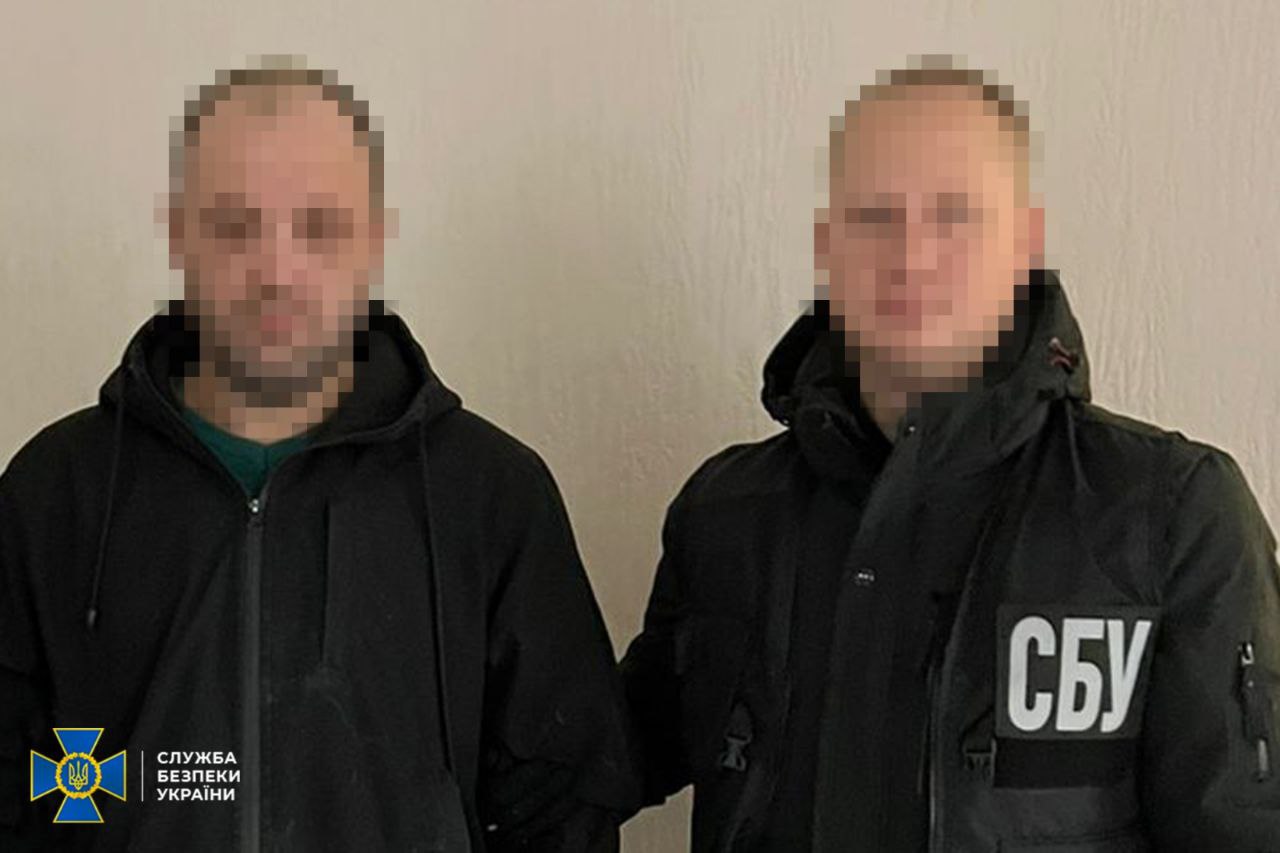
The Security Service of Ukraine detained two residents of Izmail suspected of registering Starlink satellite communication terminals for the benefit of Russian invaders — for a reward of $30 for each device.
What happened
According to the investigation, the suspects are a 36-year-old unemployed man and his 28-year-old partner. They were recruited via Telegram channels advertising “easy earnings.” The occupiers offered $30 for the illegal registration of each terminal.
How the scheme worked
The suspects were to not only register the equipment in their own names but also find intermediaries in the city — in particular people with addictions, whom they planned to use to visit centers providing administrative services. During searches, the detainees’ mobile phones were seized with correspondence with Russian handlers, instructions on legalizing the equipment, and arrangements on payment.
Investigation and legal liability
The man and woman have been notified of suspicion of state treason, committed during martial law by prior collusion as part of a group. They face life imprisonment; both have been remanded in custody.
Why this matters for security
“For the Russians, Starlink terminals are an inter-branch command-and-control tool that allowed small infantry groups, strike UAVs, and all of this to be combined into a single strike force, supported almost in real time by air and artillery strikes.”
— Ivan Kyrychevskyi, arms expert, Defense Express
The quote explains the key point: this is not about “sending internet,” but about the desire to obtain network capabilities that greatly increase the effectiveness of strike operations. That is why legalizing or transferring terminals under enemy control represents a serious operational threat.
Context and reaction
At the end of January 2026, Ukraine introduced mandatory registration of Starlink terminals; unverified devices are disconnected as part of measures to prevent their use by Russians. Earlier, the Coordination Headquarters reported (10 February) that the occupiers pressured relatives of prisoners to register terminals, and the SBU reminded (12 February) of criminal liability for such actions.
Consequences and conclusions
Legally — the case demonstrates that the harshest penalties are provided for such actions. Operationally — it is another example of the Russian Federation’s hybrid methods to bypass control over communications and create communication “nodes” in the form of legalized terminals. For state institutions, it is a signal of the need not only for technical risk mitigation but also for work on recruitment channels in social networks and administrative procedures.
Now the ball is in the courts and in strengthening registration controls: whether these mechanisms can be systematically dismantled is a question on which the operational resilience of our troops and the safety of citizens depends.