In high-level diplomacy, quiet agreements matter more than loud statements
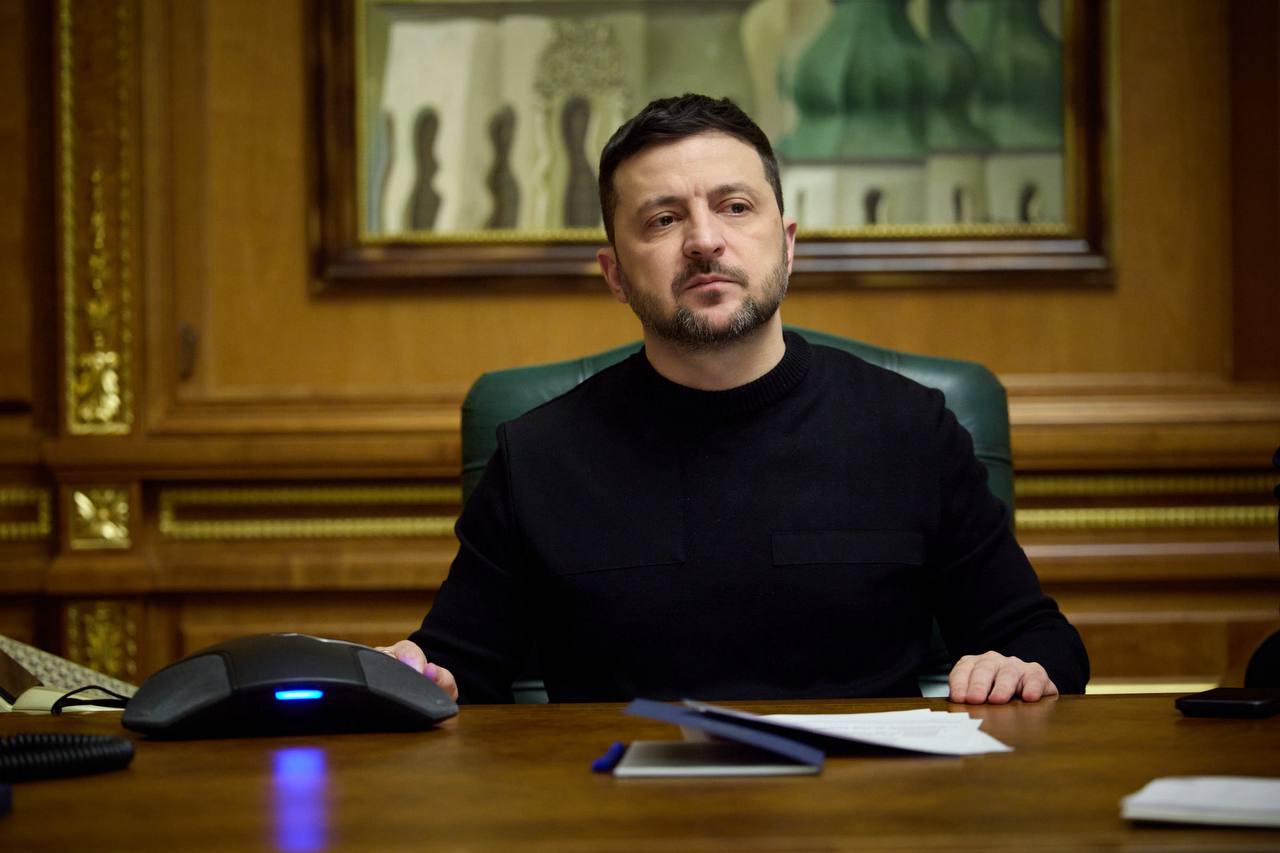
President Volodymyr Zelenskyy on March 19 said the negotiating pause is coming to an end and that the Ukrainian team has departed for the United States. The meeting expected on Saturday, March 21, will concern more than rhetoric — it is about concrete security decisions and mechanisms of support.
"There was a negotiating pause; it's time to finish it. And we are doing everything to make the negotiations truly substantive. The Ukrainian team — specifically the political part of the negotiating group — is already on the way; we expect a meeting in the United States of America this Saturday."
— Volodymyr Zelenskyy, President of Ukraine
What's on the agenda
According to the president's remarks, the key topic is security: among possible agreements mentioned is the delivery of air defense systems. Defense Minister Rustem Umerov, Zelenskyy said, held talks in countries of the Persian Gulf — this provides a basis for new forms of cooperation and technical support.
"There is an understanding of what new security agreements can be reached with countries in this region. There are concrete things by which they can support us, Ukraine, support our defense — above all, air defense... Ukrainian expert teams for protection against 'Shahed' are already in the respective countries, and there are daily reports on their execution of tasks."
— Volodymyr Zelenskyy, President of Ukraine
In addition to air defense, practical issues are on the table: training, demining, intelligence sharing and logistical chains for deliveries. Ukrainian expert groups are already working in several countries to counter 'Shahed' drones, which strengthens Kyiv's negotiating position as a carrier of practical experience.
Why this is happening now
The decision to hold a round in the US is partly explained by signals from the American side about readiness to continue talks. At the same time, the trilateral format (Ukraine — US — Russia), planned for early March, was postponed due to escalation in the Middle East. The Financial Times wrote about a refocusing of part of US policy toward the region, which complicated the talks' schedules — but new diplomatic contacts in the Persian Gulf and a priority on practical security create a window for resuming the process (FT; LIGA.net).
Analysts point out that declarations matter less now than converting political signals into contracts, delivery schedules and training programs. That approach makes it possible to implement changes on the front quickly.
Implications for Ukraine
If Saturday's talks lead to concrete agreements on air defense and technical assistance, this could reduce the vulnerability of Ukrainian infrastructure and strengthen defensive capability in the short and medium term. For Ukraine it is important that agreements have clear timelines and funding — only then will declarations transform into real security.
Now the ball is in the partners' court: will they turn international signals into signed contracts and delivered equipment? How quickly our units at the front feel the changes will depend on that.





