What this is about
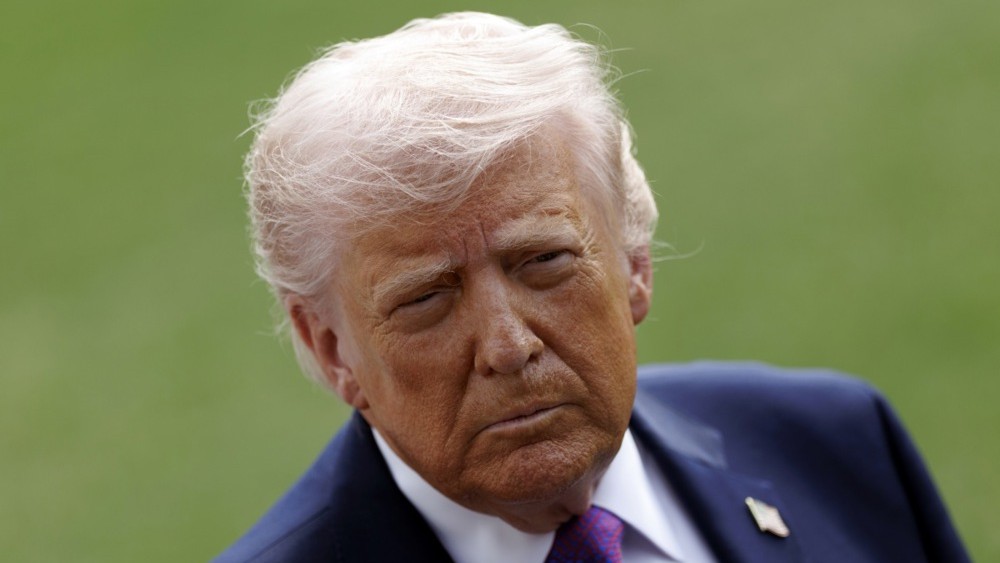
In a conversation with the television channel Fox News, President Donald Trump said that the United States "does not need" Ukraine's help in countering drones. In Trump's words: "No, we don't need their help defending against drones. We know more about drones than anyone. We have the best drones in the world, really."
"No, we don't need their help defending against drones. We know more about drones than anyone. We have the best drones in the world, really."
— Donald Trump, President of the United States (interview with Fox News)
Why this matters
At first glance — it's a rhetorical emphasis on American self-sufficiency. But analysts say such messages have practical consequences: they shape audience expectations, influence political will regarding technology transfers, and set priorities in military cooperation. Drones today are not only weapons but also an informational tool, sensitive to training and the exchange of experience.
What this means for Ukraine
Kyiv has unique, combat experience in countering and employing drones. This is practical expertise that interests partners not as a symbol but as ready-made solutions: counter-battery algorithms, electronic warfare tactics, integration of air defense and anti-tank guided missile systems. If Washington closes the door to such exchange or lowers its priority, it could slow the adoption of reliable systems among allies.
At the same time there is another side: the claim of "not needing" assistance may be addressed to the U.S. domestic audience — a signal of technological superiority and independence in case of escalation (notably against the backdrop of tensions with Iran). Such messages often blend foreign policy with domestic political rhetoric.
Kyiv's position and what's next
Earlier, Volodymyr Zelensky called Ukrainian experience in countering drones a "trump card" in cooperation with partners. For Ukraine this is not only about prestige — it's an economic and defense benefit: contracts, joint exercises, operational manuals, and software that save lives at the front.
Experts agree that rhetorical refusals do not always mean a break in practical cooperation. However, the signal should be read realistically: partners may relegate the exchange of knowledge to a second tier of priorities if political will weakens. Therefore, for Ukraine it is important to convert experience into concrete technical solutions and contracts that are harder to undo with rhetoric.
Conclusion
Trump's statement is not just words. It's a frame that can affect logistics, technology transfer, and political decisions. The question for Kyiv: how to ensure that Ukrainian experience becomes an indispensable component of partner security, not merely an item in political rhetoric?





