Why this matters
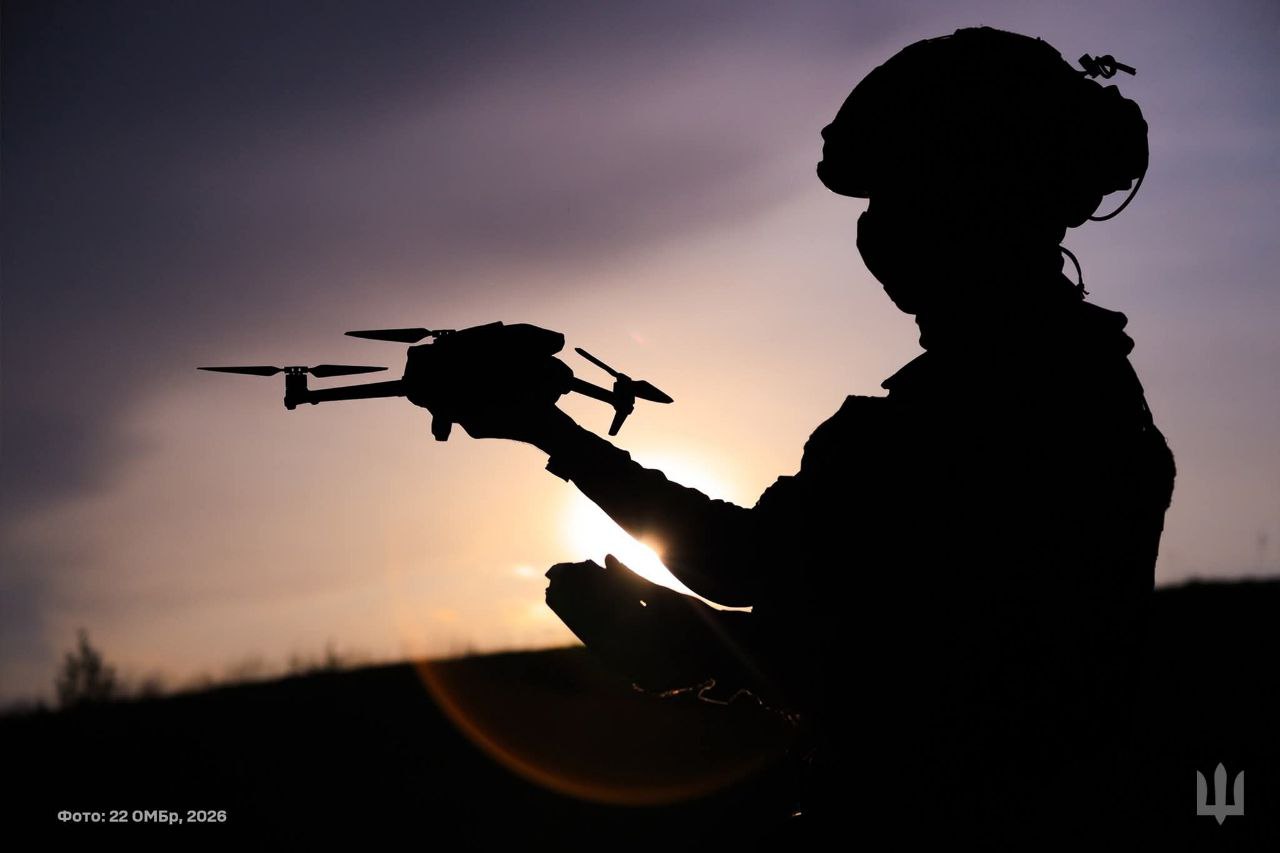
According to the Ministry of Defense, in January–February every third candidate (about 33%) chose positions as a drone operator or pilot. This is not just a trend — it is an operational response to the needs of reconnaissance, fire adjustment and precision strikes, where UAVs provide an asymmetric advantage on the battlefield.
Top five vacancies
Drone operators/pilots — 33%. Piloting UAVs for reconnaissance, observation, fire adjustment and strikes.
Drivers — 18%. Transporting personnel, equipment and ammunition; evacuating the wounded.
Operators of technical systems (EW, electronic reconnaissance, communications) — 13%. Countering enemy systems and ensuring communications.
Squad and platoon commanders — 7%. Command training and the chain of command on the ground.
Technicians and technical specialties — 6%. Repair and maintenance of equipment and weaponry.
"One of the key advantages of recruiting is the ability to choose not only the unit, but also the military specialty yourself."
— Ministry of Defense of Ukraine
Context of mobilization and reforms
These figures should be read against the backdrop of statements from leadership. According to Oleksandr Syrskyi, Territorial Recruitment Centers (TRCs) provide about 90% of personnel mobilization, while recruiting accounts for about 10%. President Volodymyr Zelensky on 23 February expressed the desire to shift from mobilization to a contract army, but stressed a lack of funding. Minister of Digital Transformation Mykhailo Fedorov reported work on a comprehensive mobilization reform.
"Ukraine wants to move the army from mobilization to contracts, but there is not enough money and help from Europe would not hurt."
— Volodymyr Zelensky, President of Ukraine
What’s next
Rising demand for UAV and EW specialists is a sign of the Armed Forces' adaptation to modern combat conditions. It sends a signal to partners and the labor market: investment in training, logistics and material-technical support must become a priority if the country plans to move part of the army to a contract basis. An analytical piece by Valentyn Badrak on LIGA.net examines where to find personnel without "harsh busification".
A question for readers and authorities: are there enough resources for this recruiting to turn from a situational demand into a systematic modernization of the army?





