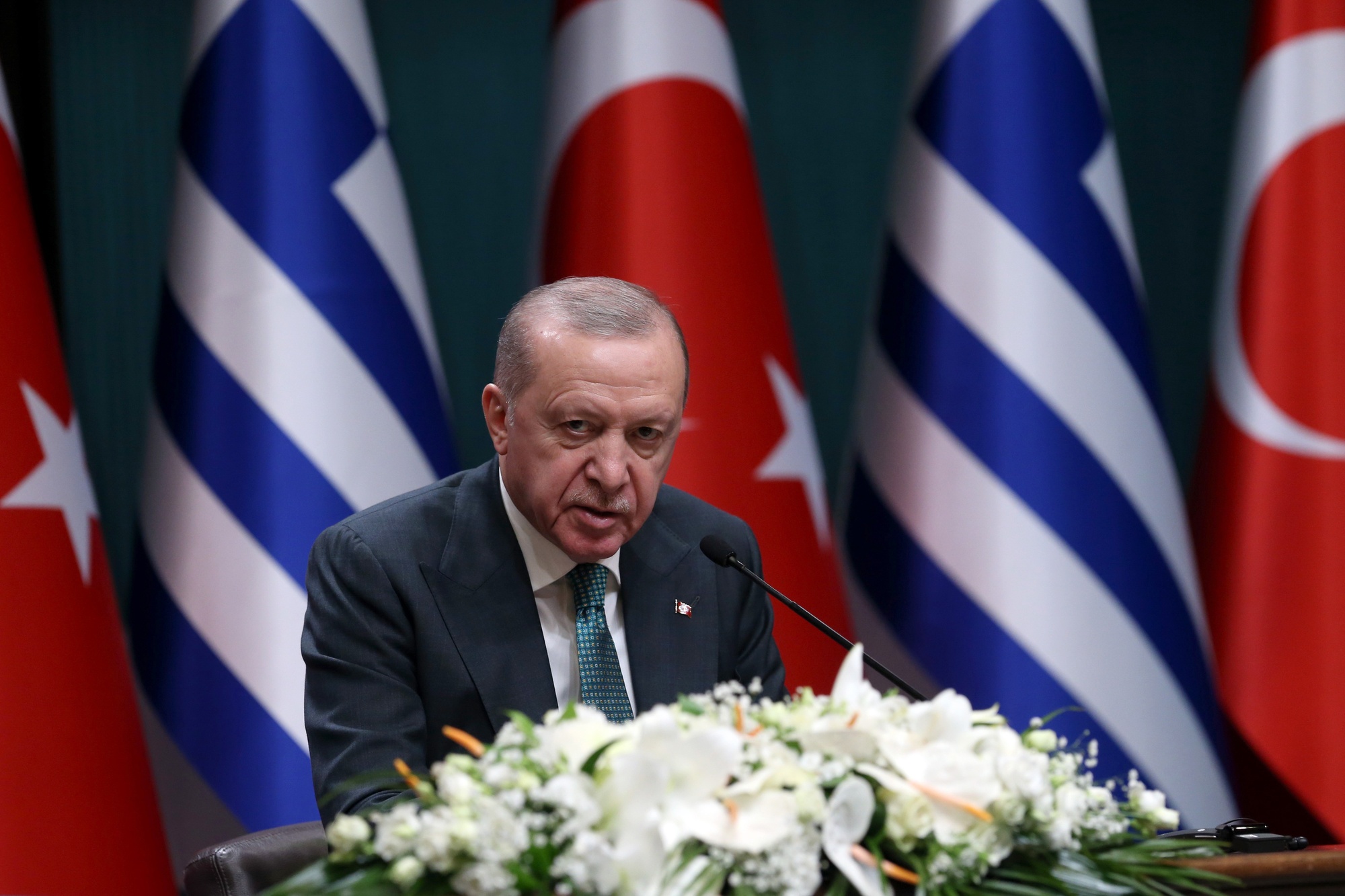
Quiet agreements that could curb escalation
According to Bloomberg, Turkey is making significant diplomatic efforts to prevent the Persian Gulf states from joining a US and Israeli operation against Iran. Turkish Foreign Minister Hakan Fidan visited Saudi Arabia, the United Arab Emirates and Qatar and held a series of phone calls with regional counterparts.
The reason is clear: if the conflict expands, the region could face large-scale infrastructure destruction, disruptions to energy supplies and a renewed cycle of security instability. That is why Ankara is calling for restraint — not merely a diplomatic posture, but a pragmatic step to minimize risks for all parties.
“We do not want the war to turn into a war of attrition between countries in the region. Retaliatory actions, especially against the Gulf states, carry that risk.”
— Recep Tayyip Erdogan, President of Turkey
What to watch: positions of the Persian Gulf states
Bloomberg sources note that the region's most influential countries — notably Saudi Arabia and the UAE — are already losing patience over Iranian strikes on ports, energy facilities and airports. However, the reports emphasize a high threshold that would push these countries into open military action: only strikes on critical energy or water infrastructure would likely change their restraint.
At the same time, the NYT reported internal disagreements: according to its reporting, the crown prince of Saudi Arabia is trying to persuade the US president not to halt the operation. This indicates political pressure among allies toward further escalation — and it is precisely this pressure that Turkish mediation efforts seek to neutralize.
Implications for Ukraine
LIGA.net points to key aspects important for Ukraine: on the one hand, a broader regional war threatens to drive up oil prices and reduce deliveries of American weaponry as resources are redirected; on the other hand, the conflict opens opportunities for the Ukrainian defense industry to showcase drones and technologies in markets that are seeking effective and relatively inexpensive solutions to counter threats.
So for our country this is both a risk and an opportunity: a risk due to energy and logistical shocks, and an opportunity due to increased demand for UAVs and other systems in which Ukrainian manufacturers have competitive developments.
Conclusion
Turkey today is acting as an arbiter of restraint — not as a theatrical display, but to stabilize important economic and security chains. Now the move is with the partners: will diplomatic efforts be able to turn into lasting containment of escalation, and how quickly can Ukraine turn the new challenges into export opportunities for its defense industry?





