What happened
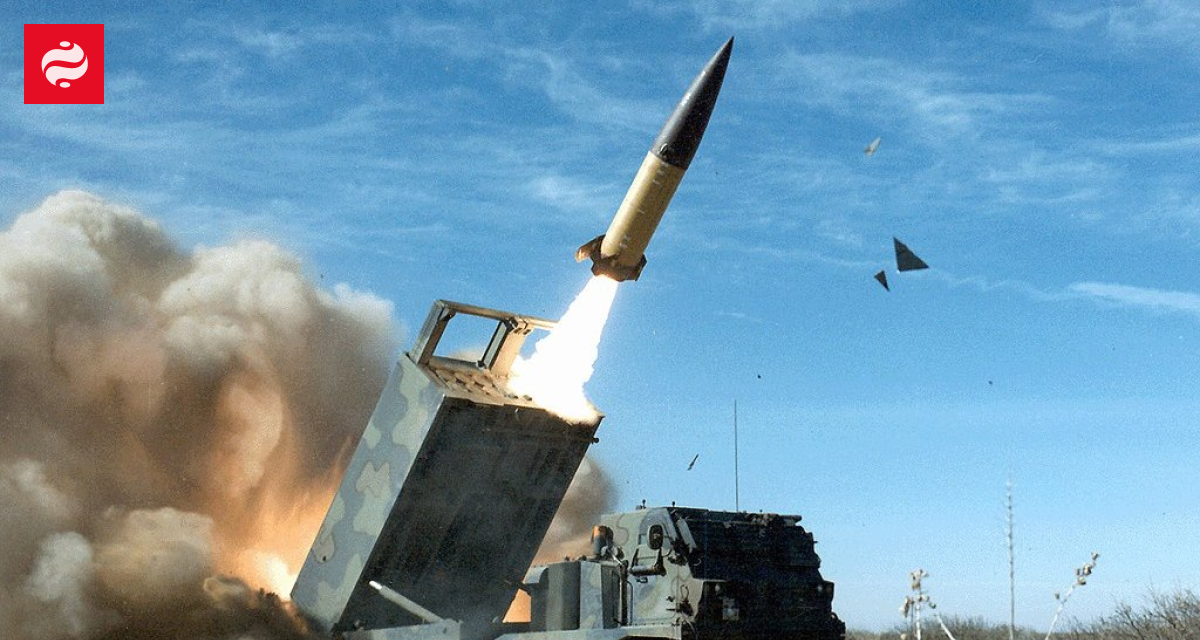
According to the General Staff of the Armed Forces of Ukraine, Ukrainian forces on the night of March 7 struck a storage, preparation and launch site for Shahed strike drones on temporarily occupied territory near Donetsk Airport. The strike was carried out by combined forces of the Rocket Forces and artillery of the Ground Forces, and aviation of the Air Force using Western missiles — ATACMS and SCALP.
"A large-scale fire and secondary detonation were recorded"
— General Staff of the Armed Forces of Ukraine
Why this matters
Hitting not an individual piece of equipment but the launch infrastructure itself is a blow to the enemy's operational capability. Destroying drone storage and preparation sites forces the occupying forces to spend time and resources restoring logistics, to operate drones from greater distances or to disperse preparation points, which complicates their strikes and increases their vulnerability.
What weapons were used and what the context indicates
ATACMS are American tactical ballistic missiles with long range; SCALP (Storm Shadow in British terminology) are Western-produced cruise missiles. Their use demonstrates two things: first, the effective integration of Western systems into the joint operations of the Armed Forces of Ukraine; second, that the strikes are aimed not only at destroying equipment but also at degrading the enemy’s strike-preparation networks.
At the same time, Ukraine is scaling up its own capabilities: the publication LIGA.net previously reported on the development of domestic ballistic missiles «Сапсан» and cruise missiles «Фламінго», which reduces dependence on partner supplies in the long term.
Other strikes that night
The General Staff also reported a number of other strikes across different directions: a UAV control point in the Dibrova area (Luhansk region), a command-and-observation post in Kruhliakivka (Kharkiv region), artillery systems in Tavilzhanka, Voskresenka and Novopavlivka, as well as concentrations of personnel near Novohryhorivka, Zaliznychne, Torske and Sopych. The extent of losses is being clarified.
"The occupiers may have kidnapped and taken 19 civilians to the Russian Federation"
— Dmytro Lubinets, Verkhovna Rada Commissioner for Human Rights
What this changes and what to expect next
The tactical effect is a reduction in the intensity of attacks using Shahed in the short term due to disruptions in supply and preparation chains. The strategic effect is a demonstration that the combination of Western strike systems and developed domestic logistics can systematically affect the enemy’s capabilities.
Analysts and command note: if such strikes become routine, they will have not only tactical but also strategic impact — increasing the cost of Russian attacks, forcing them to deploy additional resources, and reducing the tempo of their operations.
Conclusion
This episode is not an isolated "decisive blow" in the outcome of hostilities, but a marker of operational effectiveness: the combination of intelligence, partners' long-range strike means and domestic logistics. The question now is less about single hits than whether such episodes can be turned into sustained attrition of enemy infrastructure and achieve a systemic reduction in the ability to carry out attacks against Ukraine.







