Ukraine's defence forces struck military targets in five regions overnight on July 25 — Kirov, Tyumen, Rostov-on-Don, Yekaterinburg, and the Caspian Sea. This was reported by the Security Service of Ukraine and President Volodymyr Zelenskyy.
The most distant target was a facility in Kirov, located 1,200 km from the Ukrainian border, which supplies components for Russian strike weapons. The day before, the same city saw a strike on the Vyatka Machine-Building Enterprise AVTEC (OAO), which produces military products.
What else was confirmed
Ukraine's authorities listed the affected objects:
- oil refinery in Tyumen;
- logistics facility in Yekaterinburg;
- fuel and lubricants storage in Rostov-on-Don;
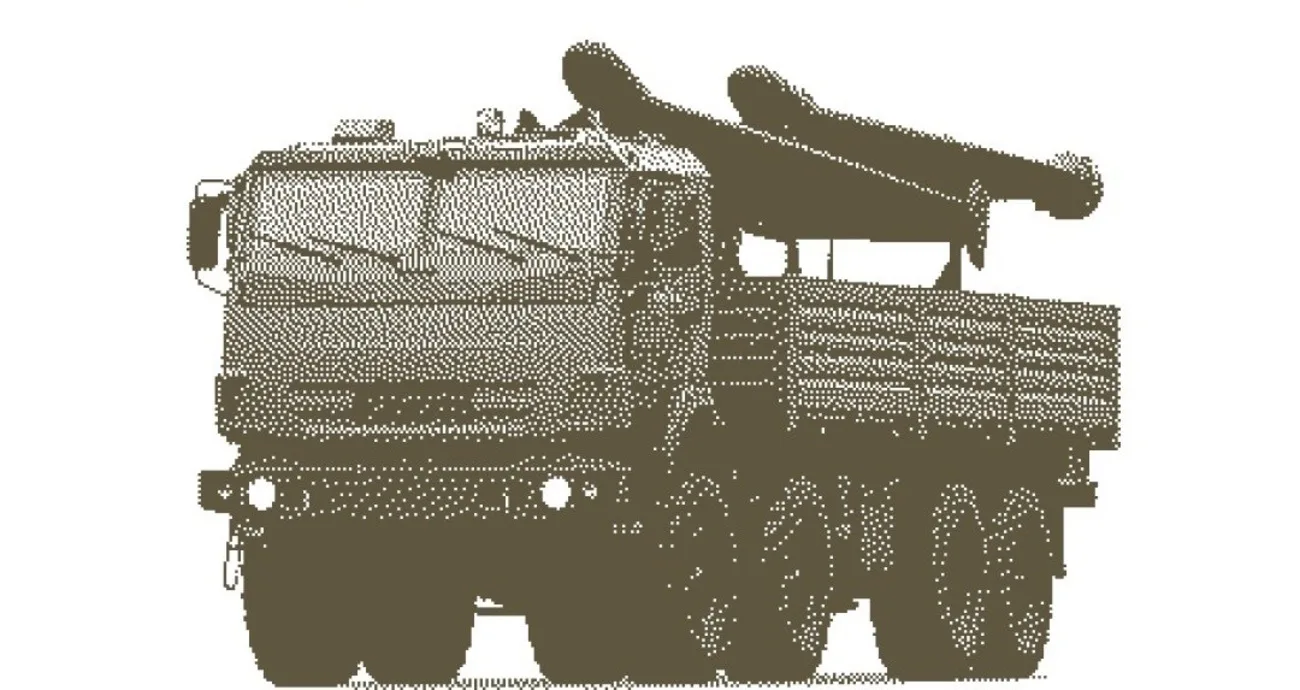
- 92N6E Grave Stone radar station with antenna tower in Rostov — a component of the S-400 Triumph air defence system used by Russia to strike Ukraine;
- Tor-M2 air defence system and Pole-21 electronic warfare complex in the same Rostov;
- two warehouses with FPV drones in Rostov.
The Caspian dimension
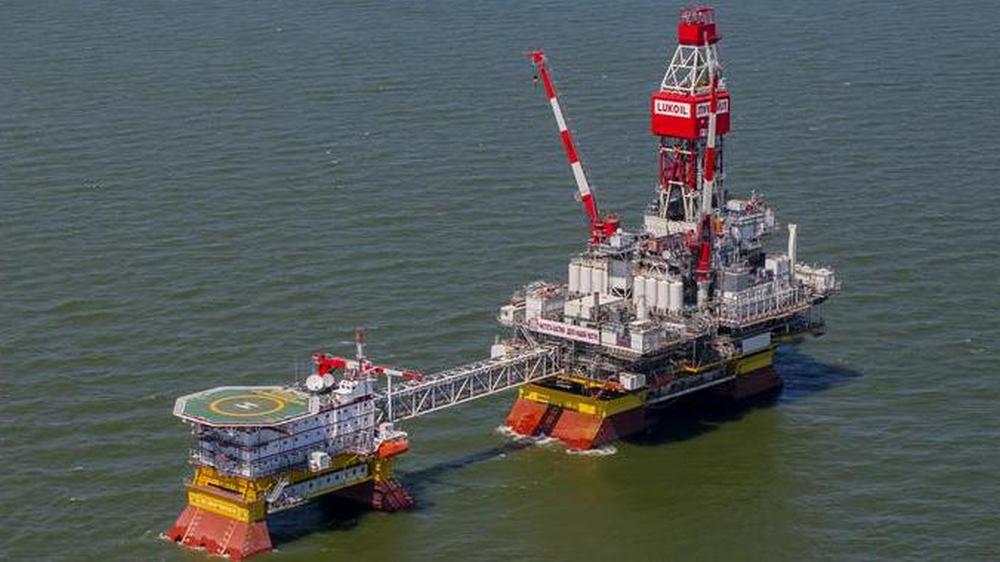
In the Caspian Sea, SBU drones struck an oil platform at the Filanovsky field, the sanctioned cargo vessel Port Olya 2, and the dry cargo ship Begey, which were transporting military cargo between Iran and Russia. A Molniya-class missile boat (project 12418) was also damaged.
The attack on vessels on this particular route is no accident: the Caspian had long remained a zone where Ukrainian strikes could not physically reach, and Iran-Russia logistics operated there with minimal risk.
What this means
A simultaneous strike on oil refineries, air defence storage facilities, and maritime logistics is not a series of isolated incidents, but an attempt to simultaneously target fuel supplies, air defence systems, and supplies from Iran. Military officials and analysts have already called the intensification of strikes the beginning of "very interesting days": if attacks on oil refineries continue systematically, Russia could face a fuel shortage within the country and will be forced to redeploy air defence systems from the front to protect rear facilities.
The question is whether Russia's air defence system can withstand simultaneous protection of at least five distant directions — from the Caspian to the Urals — if the geography of strikes continues to expand at this pace.