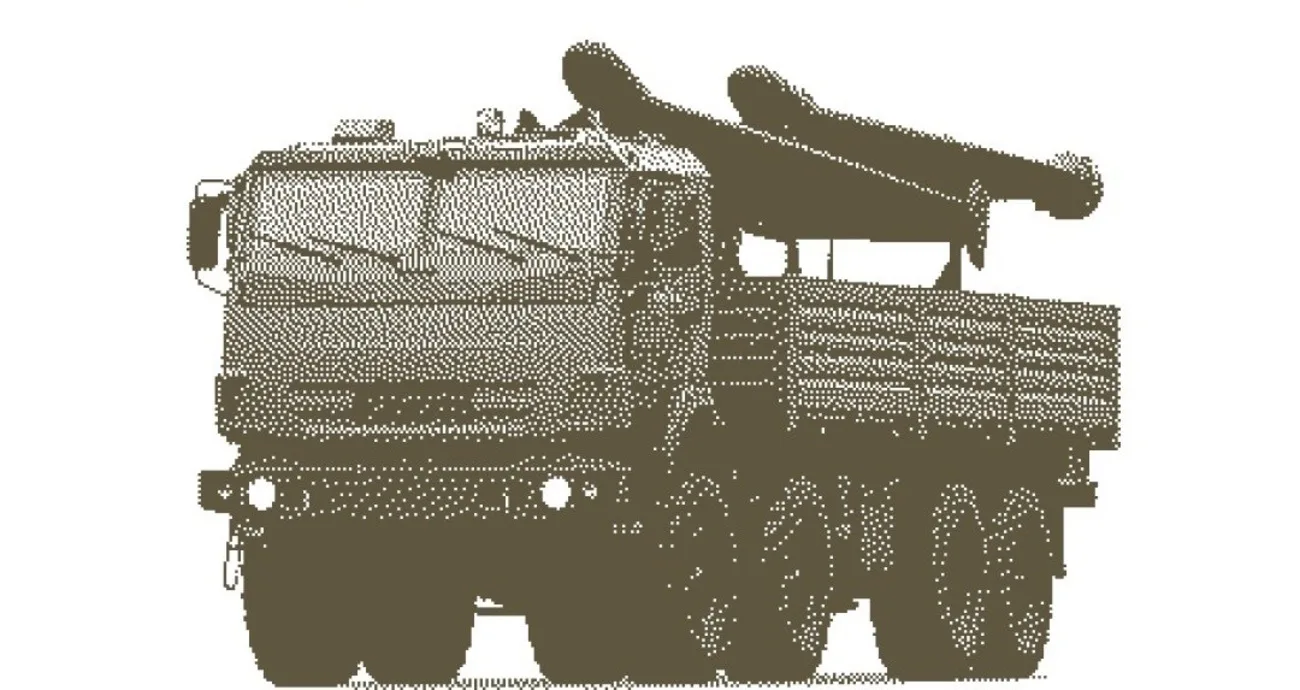
On July 19, 2026, three Kh-59/Kh-69 cruise missiles struck the superstructure of the bulk carrier GOLDEN LEO — a vessel flying the flag of Guinea-Bissau carrying corn cargo was leaving the zone of Ukrainian ports. As a result of the strike and fire, at least ten sailors were killed. The vessel's owner is a Turkish company.
This is not an isolated attack. According to the Administration of Sea Ports of Ukraine, during just the first two weeks of July, Russia carried out 23 strikes on ports and 17 attacks on civilian vessels. On July 22, the maritime corridor stood empty for the first time at peak harvest season — no vessel departed.
The parallel drawn by Sybiga
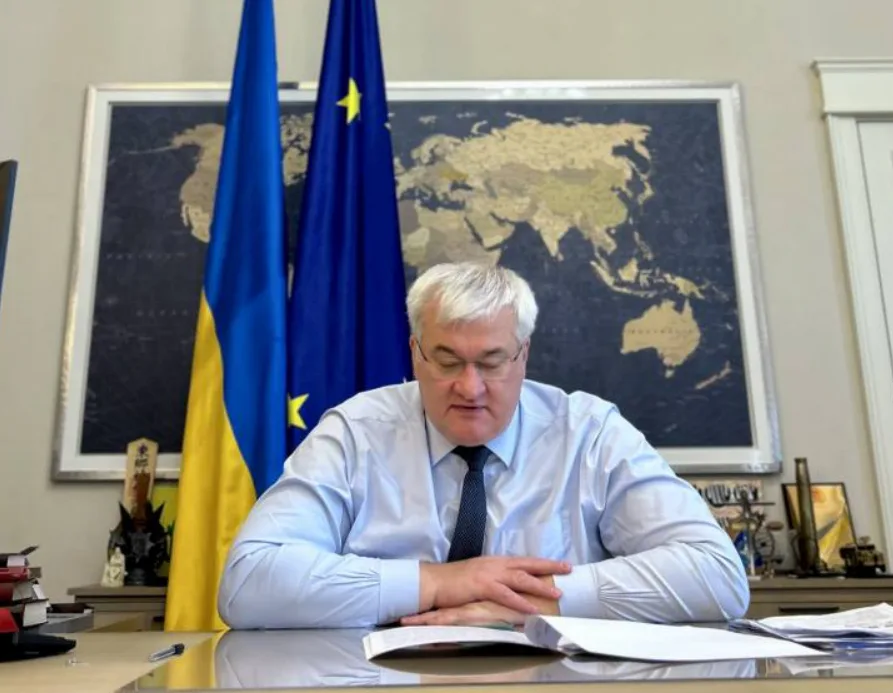
Head of the Ukrainian Ministry of Foreign Affairs Andrii Sybiga published an assessment on social network X:
"The escalation of Russian terror against civilian cargo vessels in the Black Sea poses a serious threat to global food security. Russia is doing to the Black Sea and food security what Iran did to the Strait of Hormuz and energy security."
Andrii Sybiga, Minister of Foreign Affairs of Ukraine
The comparison is not merely a rhetorical device. In July 2026, Iran effectively blocked the Strait of Hormuz: shipping fell by 70%, Brent futures rose 8% in five days, the International Energy Agency authorized the release of strategic oil reserves. The mechanics are identical: not complete closure, but systematic terror of risk — sufficient for insurers to raise premiums and shipowners to abandon the route.
Who bears the price shock
Sybiga warned: if the attacks do not stop, the consequences will be felt not only by countries that buy Ukrainian grain. The most vulnerable are import-dependent states in Africa, Asia, the Middle East, and Latin America. They lack reserve suppliers and budget buffers to absorb price spikes.
In practice, the mechanism is already in motion: Danish shipping group Maersk temporarily suspended service to Chornomorsk Fish Port from July 21. Shipowners are reviewing freight agreements or canceling bookings — without any court decision or sanctions, solely through risk calculation.
Response: UN Security Council and absent protection mechanism
Ukraine initiated an emergency meeting of the UN Security Council on July 27. Sybiga called on all states, particularly those affected by the attacks, to demand that Putin stop strikes on freedom of navigation.
- In recent days, at least three civilian cargo vessels have been attacked — several dozen crew members have been killed or wounded.
- Among those attacked are vessels under the flags of Togo, Tanzania, Liberia, Guinea-Bissau, Barbados, Panama.
- From January to September 2025, Russia carried out at least 107 attacks with missiles and unmanned aerial vehicles on ports in Greater Odesa.
The UN Security Council's problem is structural: Russia has veto power and is guaranteed to block any binding resolution. The July 27 meeting will record positions but will not create a mechanism to protect vessels.
If no state whose vessels or food security have already been harmed introduces its own pressure measures — insurance, diplomatic, or military naval presence in the corridor — the attacks will continue until the corridor is ultimately emptied.