Briefly
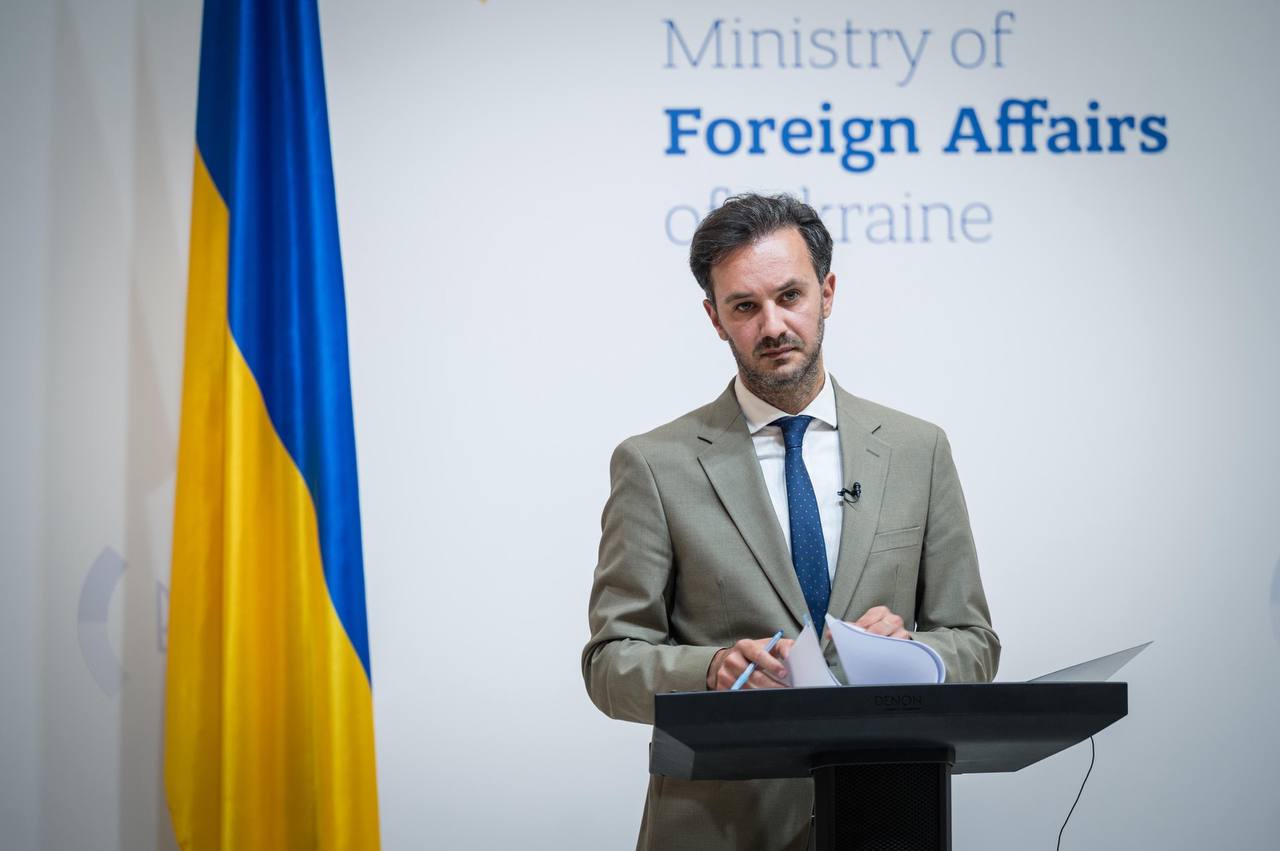
The Ministry of Foreign Affairs confirmed that on March 11 a group of Hungarian citizens entered the territory of Ukraine to inspect the oil pipeline "Druzhba", but it had no official status or scheduled official meetings. A comment from MFA spokesman Heorhii Tykhyi was provided to the publication "European Pravda".
"We know that this morning a group of Hungarian citizens entered the territory of Ukraine under the general rules that apply to all citizens of Schengen countries, using visa-free travel."
— Heorhii Tykhyi, spokesman for the Ministry of Foreign Affairs of Ukraine
Hungary's position
Government press secretary Zoltán Kovács reported that the trip was led by State Secretary Gábor Csepek and that the goal was to assess the condition of the pipeline and to press for a swift restoration of Russian oil transit. This confirms that the visit had not only a technical but also a political dimension.
"The delegation set out for Kyiv to assess the condition of the 'Druzhba' pipeline."
— Zoltán Kovács, press secretary of the Hungarian government
Context and reasons
This event is important not only as a matter of protocol. First, the restoration of transit of Russian oil through "Druzhba" carries direct economic and political weight for the region. Second, the visit, even if it was conducted in the form of a not fully official group, creates informational and diplomatic pressure — a signal to Kyiv and to partners in the EU.
Reminder: On March 2 the President of Ukraine reported that during a phone conversation the Prime Minister of Slovakia, Robert Fico, agreed to inspect "Druzhba" personally; Fico later showed materials at the Paris summit that, according to him, indicate the absence of damage. All this forms the backdrop for statements about restoring transit.
Why this matters for Ukraine
First, the question of a technical assessment of the pipeline must be resolved through transparent international procedures and with the participation of independent experts, not only through bilateral visits.
Second, any attempts to advance the restoration of transit without a full inspection and without considering Russia's geopolitical interests may create additional risks for Ukraine — from economic to reputational.
Energy security experts emphasize that technical conclusions must be based on verifiable data, a transparent procedure, and international standards.
What next
The MFA emphasizes that this group had no official status; the next steps on the agenda are establishing the facts and demanding that partners adhere to formal procedures. For us, the key point is that energy issues be resolved transparently and on the basis of technical analysis, not merely political pressure.
Conclusion
This incident is an example of how diplomatic nuances can quickly turn into an energy security issue. Ukraine must insist on clear verification mechanisms and international oversight, while partners should demonstrate a readiness to work within transparent frameworks rather than use visits as a political argument.





