What happened
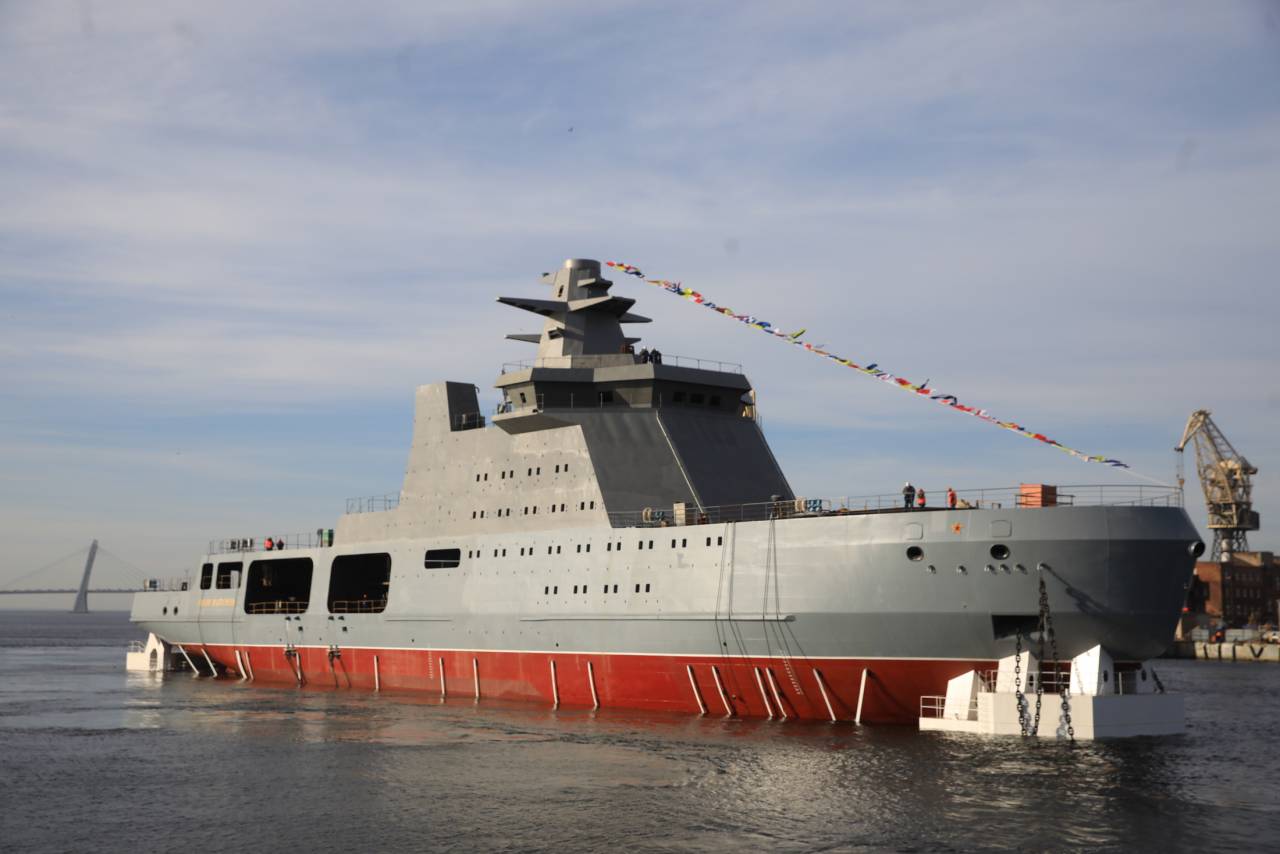
In the night before March 25, the General Staff of the Armed Forces of Ukraine reported strikes on facilities in Russia’s Leningrad Region: a vessel at the Vyborg Shipbuilding Plant and infrastructure of the Novatek‑Ust‑Luga plant were hit. According to preliminary information, a patrol icebreaker of project 23550 was struck at the shipyard — likely the icebreaker «Purga», which was being considered for operations within the FSB Border Service.
Why it matters
This strike combines two elements of strategy: the defeat of dual‑role military assets (vessels that simultaneously perform icebreaking and combat tasks) and damage to critical energy infrastructure through which Russia exports oil and petroleum products. These revenues partially fund Moscow’s war machine — therefore hitting tank storage areas and loading systems at the port has a direct strategic effect.
Who participated
According to the Security Service of Ukraine, the operation involved units of the SBU, the Unmanned Systems Forces of the Armed Forces of Ukraine, the Special Operations Forces, the Main Intelligence Directorate of the Ministry of Defense, and the State Border Guard Service. Such an interagency format indicates careful coordination and the use of varied technological means.
“Fifty‑six drones were neutralized over the region; in Vyborg the roof of a residential building was damaged.”
— Alexander Drozdenko, governor of Leningrad Region
Context and previous strikes
This is not an isolated case: the day before there were reports of strikes on Russia’s fuel and energy infrastructure — notably the Saratov refinery and several terminals. Analysts note that systematic actions against the export chains for oil and petroleum products weaken Russia’s ability to use the “shadow fleet” and opaque routes to replenish its budget.
What’s next — possible consequences
The loss of the icebreaker limits maneuverability in the Baltic region, and damage to the terminal reduces throughput capacity for energy exports. This means that over time logistical hubs and revenues tied to exports may become less reliable for financing Russia’s defensive operations. At the same time, Moscow will likely strengthen air and coastal defenses of ports and shipbuilding sites.
What experts say
Experts note that the success of such operations depends not only on one‑off strikes but on systematic intelligence work, control over maritime routes, and the ability to disrupt the economic chains that fuel the war. In other words, this is not a spectacle — it is strategic pressure on the enemy’s funding sources and military‑technical infrastructure.
Conclusion
The night operation in Vyborg and Ust‑Luga demonstrates a combination of tactical strikes and a long‑term goal: undermining the aggressor’s ability to sustain the war. Now the question is the systemic resilience of Russia’s logistical routes and the reaction of its partners — and this will determine how effectively such strikes translate into real strategic results.





