Diplomacy and the front: what the US–Iran conflict actually changes for Ukraine
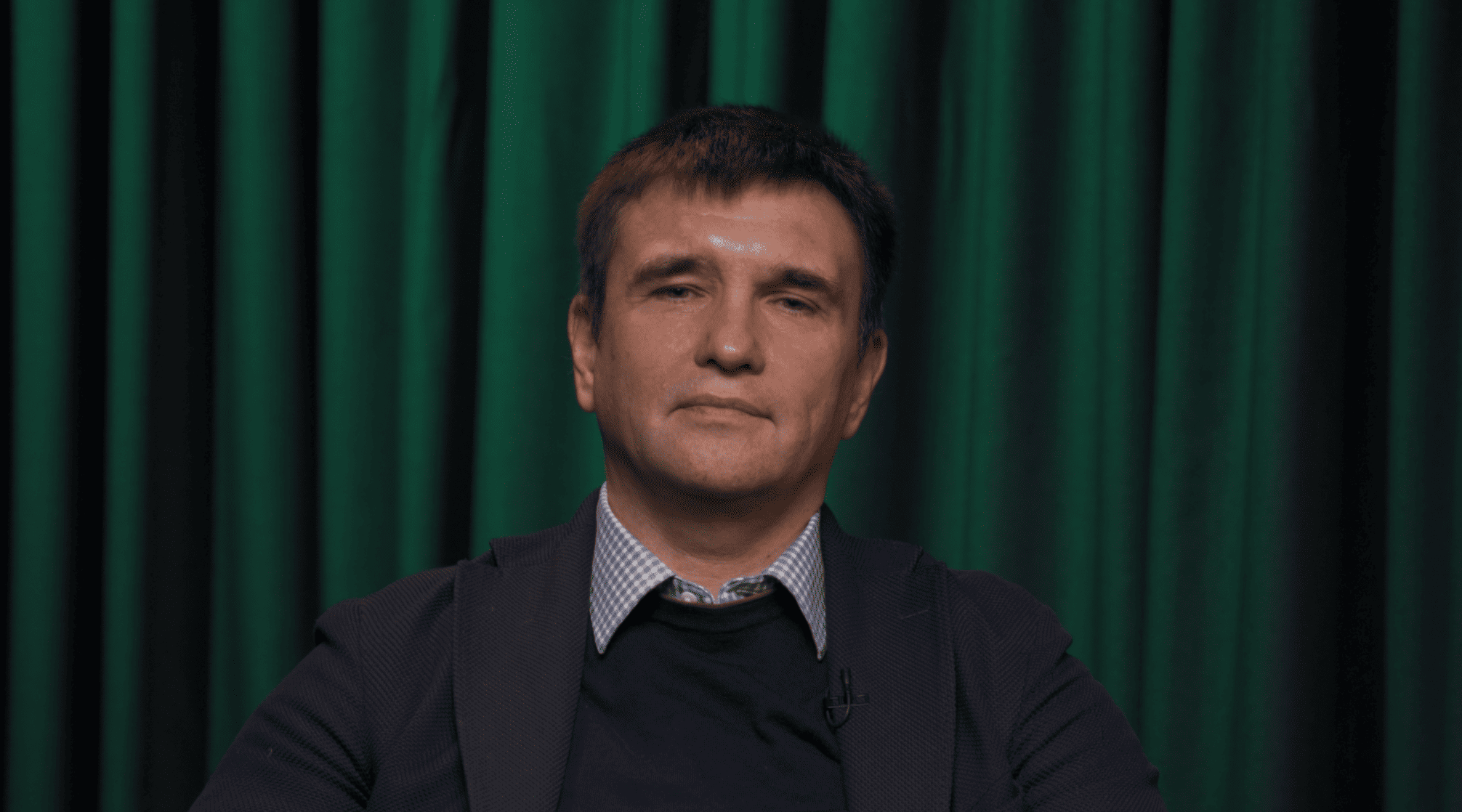
The US and Israeli operation against Iran, according to Pavlo Klimkin in an interview with LIGA.net, "will not fundamentally change anything" in the war with Russia — but it is currently impossible to answer clearly whether this brings more risks or more benefits for Ukraine. It is not a binary question: there are signals in both directions, and it is important to understand which of them will have a practical impact on the country's security and economy.
Risks: distraction of attention and political climate
The main downside is the risk of diverting partners' attention and resources. Ahead of the 2026 US Congressional and Senate elections, political sensitivity in Washington is rising, and this could complicate long-term commitments. Klimkin assesses that because of the events in Iran the chance of increased pressure on Kyiv has decreased, but overall uncertainty has grown.
"There are a lot of discussions: whether this is good for us or bad. I believe there is no binary answer. There are signs of both, in fact."
— Pavlo Klimkin, former foreign minister
Practical consequences are already visible: possible disruptions in the supply of certain types of weaponry and rising fuel prices, which are tangible for frontline logistics. Media and intelligence signals (mentions by ABC News about the risk of drone attacks on the US, Reuters reports on intelligence assessments regarding the stability of the regime in Iran) create additional uncertainty in allies' planning.
Opportunities: Ukraine's technological and diplomatic capital
Alongside the risks, opportunities arise. According to Klimkin, Kyiv can offer the US its expertise in working with UAVs and associated systems — this gives Ukraine additional political capital and the chance to demonstrate practical value at the political level.
"We can show that during wartime, albeit in a limited sense, we are ready to help. And for actors such as Arabs, with an Arab mentality, this story will later be important for us."
— Pavlo Klimkin, former foreign minister
Moreover, the European position — maintaining sanctions against the Russian Federation without real progress in negotiations — makes it harder for Moscow to gain international legitimacy. This works in our favor when partners demonstrate unity in their approach to regional crises.
Voice of external experts
Stanford professor Michael McFaul warns that the operation complicates the US's ability to deter China and may give the Kremlin certain operational advantages. This underscores that the secondary effects of third-party actors may be more important than the direct consequences for Ukraine.
"The operation complicates deterring China and plays into the Kremlin's hands."
— Michael McFaul, professor at the Center on Democracy, Stanford University
Conclusion: how to turn the crisis into a sustainable result
The real task for Ukraine is to transform geopolitical turbulence into concrete guarantees: secure deliveries, agree on technical support mechanisms, and use its technological contribution as an argument to strengthen political backing. The cold facts suggest that opportunities and risks go hand in hand — therefore what matters are not emotions, but clear diplomacy and work on logistics.
Now it's up to the partners: will they turn this attention into signed contracts and reliable guarantees for Ukraine?





