Why this matters
In high-level diplomacy, concrete programs matter more than loud statements. The European Commission’s support for repairing energy infrastructure is not an abstract gesture but an operational step that directly affects Ukraine’s ability to survive upcoming winters, notably through 2027. This is a matter of everyday security, the economy, and the country’s combat capability.
What was promised
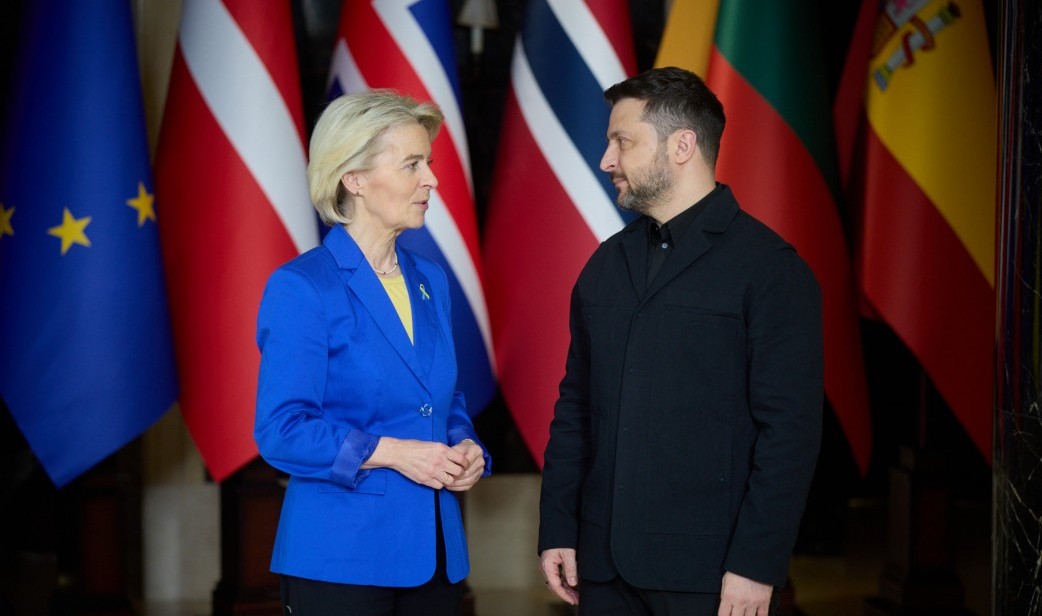
President Volodymyr Zelenskyy held talks with European Commission President Ursula von der Leyen, after which the European Commission agreed to help restore and strengthen the resilience of the energy system following damage from missile strikes. The focus is on repairing critical facilities, bolstering infrastructure protection, and developing decentralized generation sources.
"This is one of the most important outcomes of our meetings yesterday, and its significance is hard to overstate, especially given Russia’s ongoing attempts to destroy normal life in Ukraine. I am grateful to the European Union for this program."
— Volodymyr Zelenskyy, President of Ukraine
"Ukraine will receive by Easter a package of priority weapons from Europe."
— Ursula von der Leyen, President of the European Commission
Money and reality
Estimates from local operators help grasp the scale: the DTEK group values the restoration of its own generation at approximately €300 million, much of which is still unfunded. At the same time, on February 20 Prime Minister Denys Shmyhal warned of preparations for new strikes on the energy sector by the Russian Federation — so the work required is not only extensive but must be urgently coordinated.
What needs to be done next
The plan to strengthen the energy system through 2027 requires three practical steps: converting political commitments into financial contracts; ensuring logistics and security for repairs and equipment delivery; and scaling decentralized solutions that reduce the grid’s vulnerability. Experts note that without clear schedules and funding sources, some pledges risk remaining on paper.
Conclusion
Support from the European Commission is a strategic signal: partners are ready to invest in Ukraine’s energy resilience. But for promises to become secure grids and warmth in apartments, rapid implementation is needed — from signing contracts to the physical restoration of facilities. Will we manage to turn the diplomatic impulse into a technical result by the winter of 2027?





