What happened
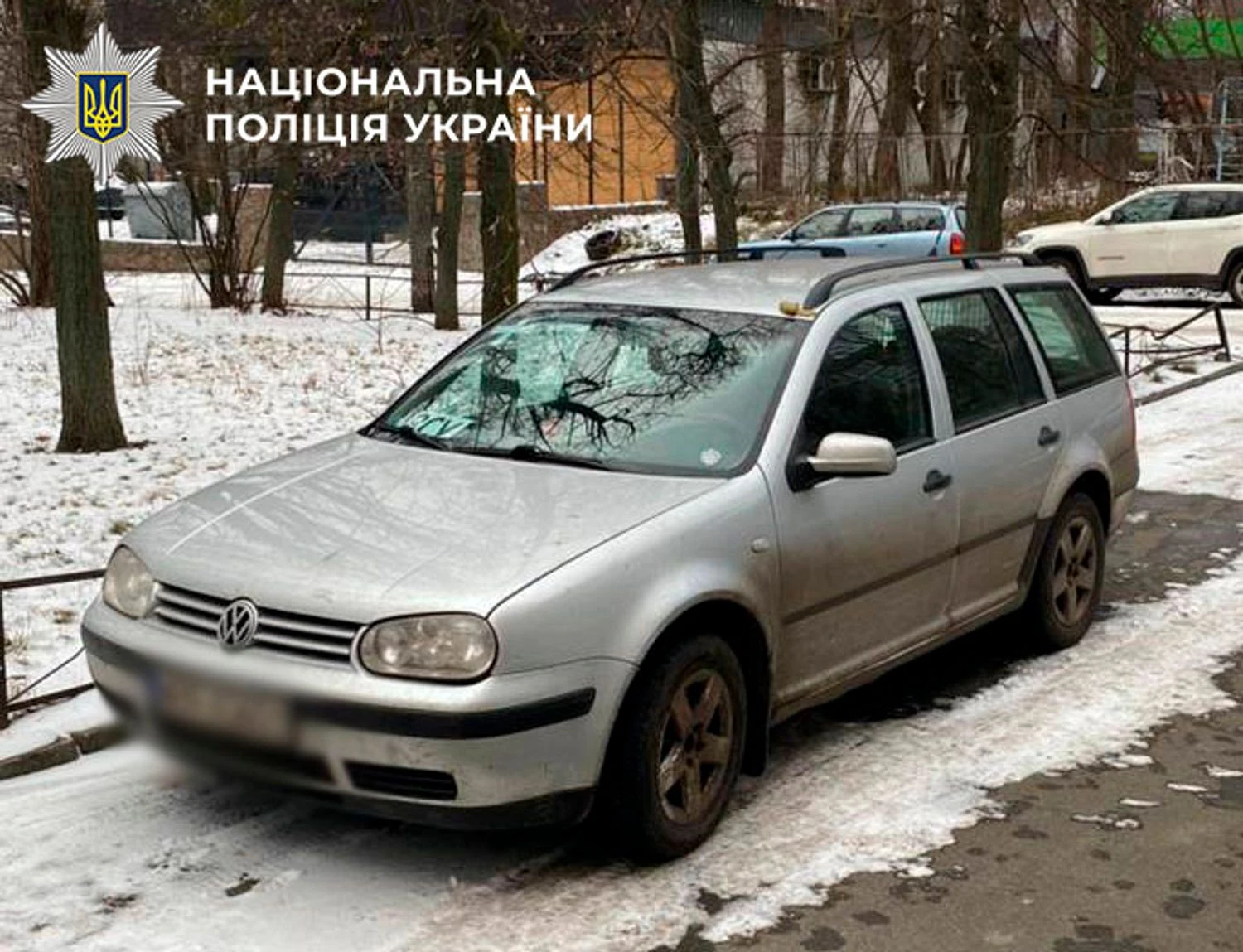
In Kyiv’s Shevchenkivskyi district the police responded to reports from residents: an object resembling an explosive device was spotted on the roof of a passenger car. During the inspection law enforcement officers established that it was not a real mine but a mock‑up, 3D‑printed and attached to the vehicle.
"The passenger car belongs to a 38‑year‑old Kyiv resident who 3D‑printed a mock‑up of the PFM‑1 anti‑personnel mine, better known as the 'Petal', and attached it to the roof of his vehicle"
— Main Directorate of the National Police in Kyiv (report by UNN)
Danger and legal response
Although the item turned out to be a mock‑up, officers drew up an administrative protocol against the driver under Art. 173 of the Code of Ukraine on Administrative Offences (КУпАП) — petty hooliganism. The materials have been sent to court. This is a typical mechanism of response: when displaying an explosive device causes public alarm and the expenditure of service resources, legal qualification is inevitable.
Why this matters — context
Even an imitation of a weapon has practical and psychological consequences. First, such gestures cause alarm among residents and force the police to check every report — diverting resources from other priorities. Second, in a time of full‑scale aggression any display of military attributes in public can provoke panic or serve as an element of an information provocation.
Possible motives range from a prank to an attempt to attract attention or a deliberate provocation. But regardless of intent, the outcome for the community is the same: increased anxiety and additional burden on security services.
What next
The court proceedings will show whether the incident will have a preventive effect. For city residents it is a reminder of responsibility in public spaces: even "mock‑ups" can become sources of real risk. Against the backdrop of recent drone incidents and heightened attention to security, such cases should be considered not as curiosities but as an element of civil protection.
The question that remains: will the court and public stance deter those who experiment with images of war in public spaces from risky jokes?