In brief
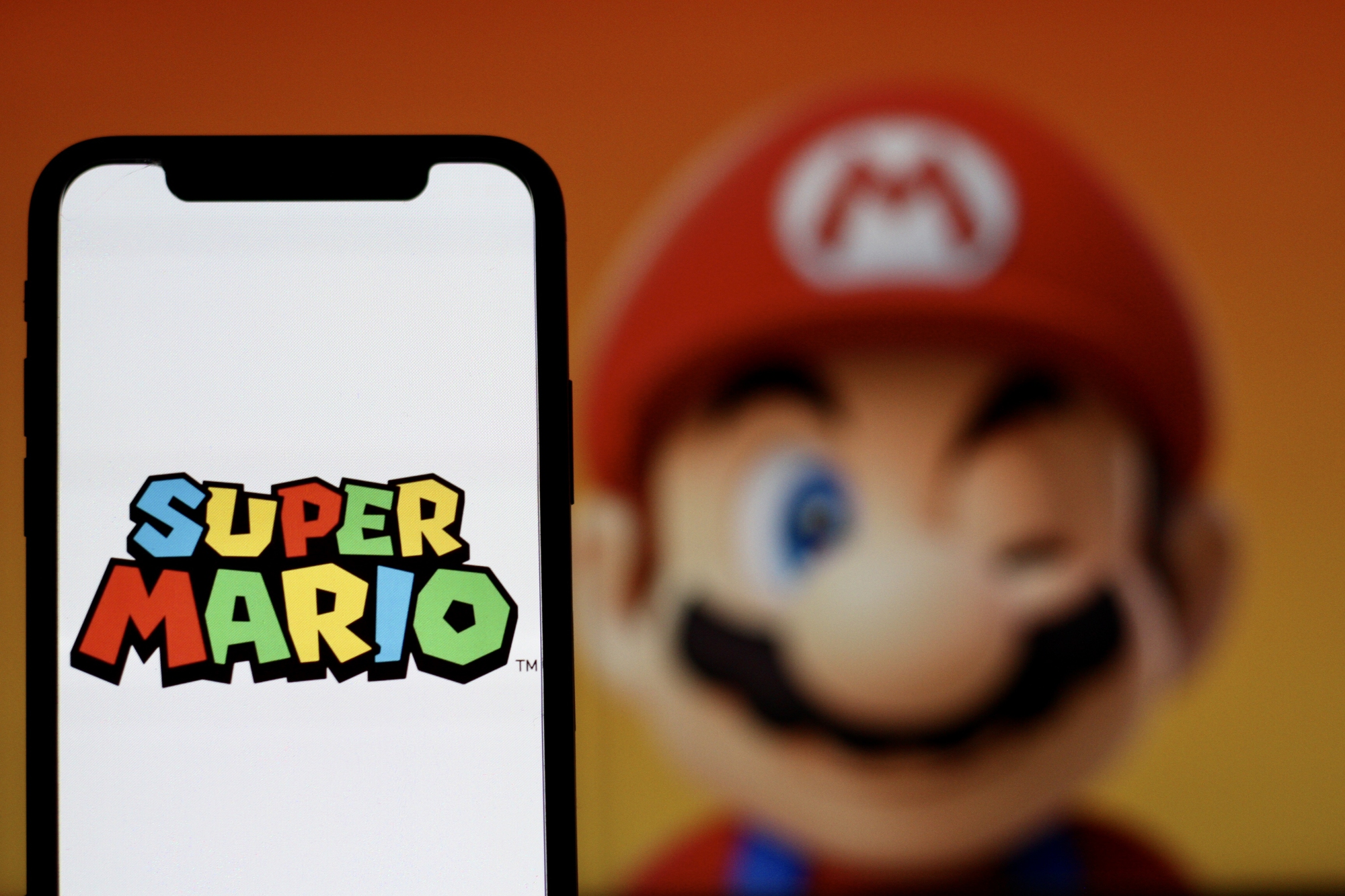
Nintendo has released a free app called Hello, Mario!, which does not claim to be a game: it offers interactive interaction with the character Mario and is part of the My Mario lineup — products and activities for children and their parents.
What parents should know
The app works offline and allows children and parents to interact with Mario through touch gestures: pull, rotate, tap, remove his cap or touch his mustache — each action elicits a corresponding reaction from the character. There are also simple mini-games, such as "peek-a-boo". A key point for adults is the mechanism of automatic pauses: after a certain time the character "gets tired", falls asleep and temporarily stops responding, which naturally limits continuous use.
"Hello, Mario! was created not as an entertainment product for long sessions, but as a tool for simple and safe interaction between a child and a beloved character"
— Nintendo, press release
Where and on what it works
The app is available on the App Store, Google Play and the Nintendo eShop for Switch, Switch (OLED), Switch Lite and Switch 2. This means families can use the app on both mobile devices and consoles — without an internet connection.
Broader context
The release of Hello, Mario! correlates with a strong wave of updates across Nintendo's ecosystem: in 2025 Nintendo announced the Switch 2, which became the company's fastest-selling model — 3.5 million units in the first four days. This reinforces the importance of family series and content that can be used on new devices.
From a practical standpoint, the app is not a panacea, but a useful tool: it combines a familiar character, simple interaction and self-regulation mechanisms. For Ukrainian families who value safety and screen-time control, such solutions carry additional weight — especially when it comes to content without ads and online connectivity.
What’s next
Hello, Mario! does not change the market on its own, but it reinforces a trend: major gaming brands are gradually adding family-oriented, controlled formats of interaction. The question for parents and media literacy policymakers is how to combine accessibility and content safety for children on the new generation of devices?