What exactly was announced
The head of Samsung's mobile division, Won‑Joon Choi, confirmed in an interview with TechRadar that the company is exploring the idea of introducing a vibe coding feature in future Galaxy smartphones. The concept involves a tool that would allow a user to describe a desired feature in plain language, and artificial intelligence would generate the corresponding code or interface component.
"Vibe coding could open up new possibilities for smartphone personalization — users will be able to create or modify apps according to their own needs."
— Won‑Joon Choi, head of Samsung's mobile division (TechRadar)
How it works and what's already in the S26
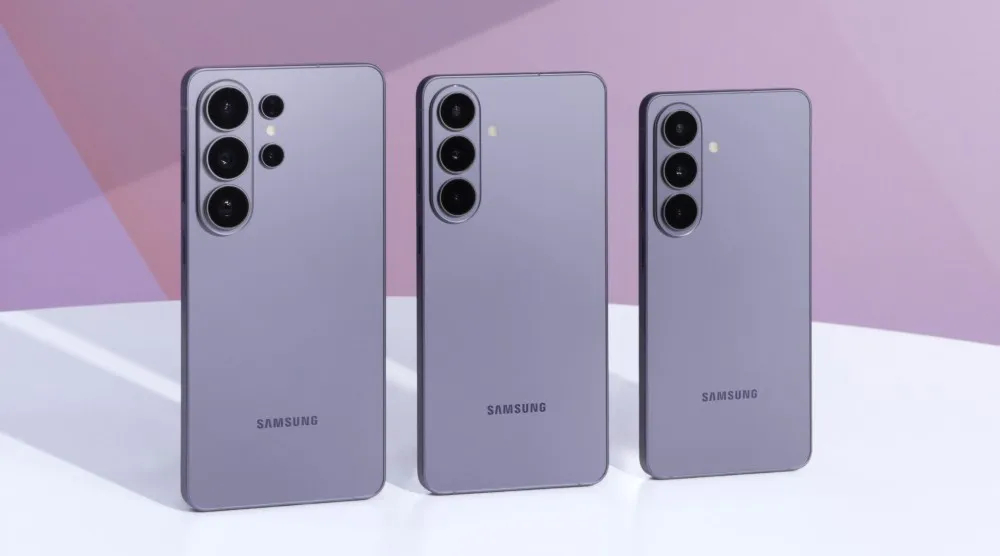
The idea is based on using AI to generate code from a textual description — similar approaches are already used in software development and testing. Samsung positions the Galaxy S26 series as "AI phones": among the launch novelties are the feature Now Nudge, the updated Audio Eraser tool and roughly 39% higher neural processor performance, which increases capabilities for handling AI tasks without sending data to the cloud.
Why it matters: personalization, security, ecosystem
Three key implications to note:
1) Personalization. For the user, this means quickly tailoring features to specific tasks without deep programming knowledge.
2) Privacy and security. Because Samsung is developing on‑device AI, some processing will take place locally — less data sent to the cloud potentially reduces the risk of leaks and makes complying with regulatory requirements easier.
3) Economic and innovation effect. The ease of creating or modifying apps can speed up prototyping and give a boost to local developers — from startups to teams in industrial and government projects.
What this could mean for Ukraine
For the Ukrainian market there are several practical points: local availability of the series (for example, the debut of the Galaxy Buds 4 in Ukraine) eases access to new features; on‑device AI reduces the need for fast connections for critical tasks; and tools like vibe coding can spur local developers who build solutions tailored to the Ukrainian language and market specifics.
Analysts and the industry in general note: the shift from cloud‑based to hybrid/on‑device AI is a trend that changes the balance between convenience, performance and data security.
Conclusion
Samsung has not yet confirmed timelines for implementing vibe coding in commercial models. However, the trend is clear: manufacturers are betting on local AI capabilities that provide both personalization and better control over data. For Ukraine this is an opportunity — from simplified development tooling to new business opportunities in the mobile apps sector. Whether this idea will translate into widespread updates will depend on technical testing, privacy policies and user demand.