In high diplomacy, quiet agreements matter more than loud statements
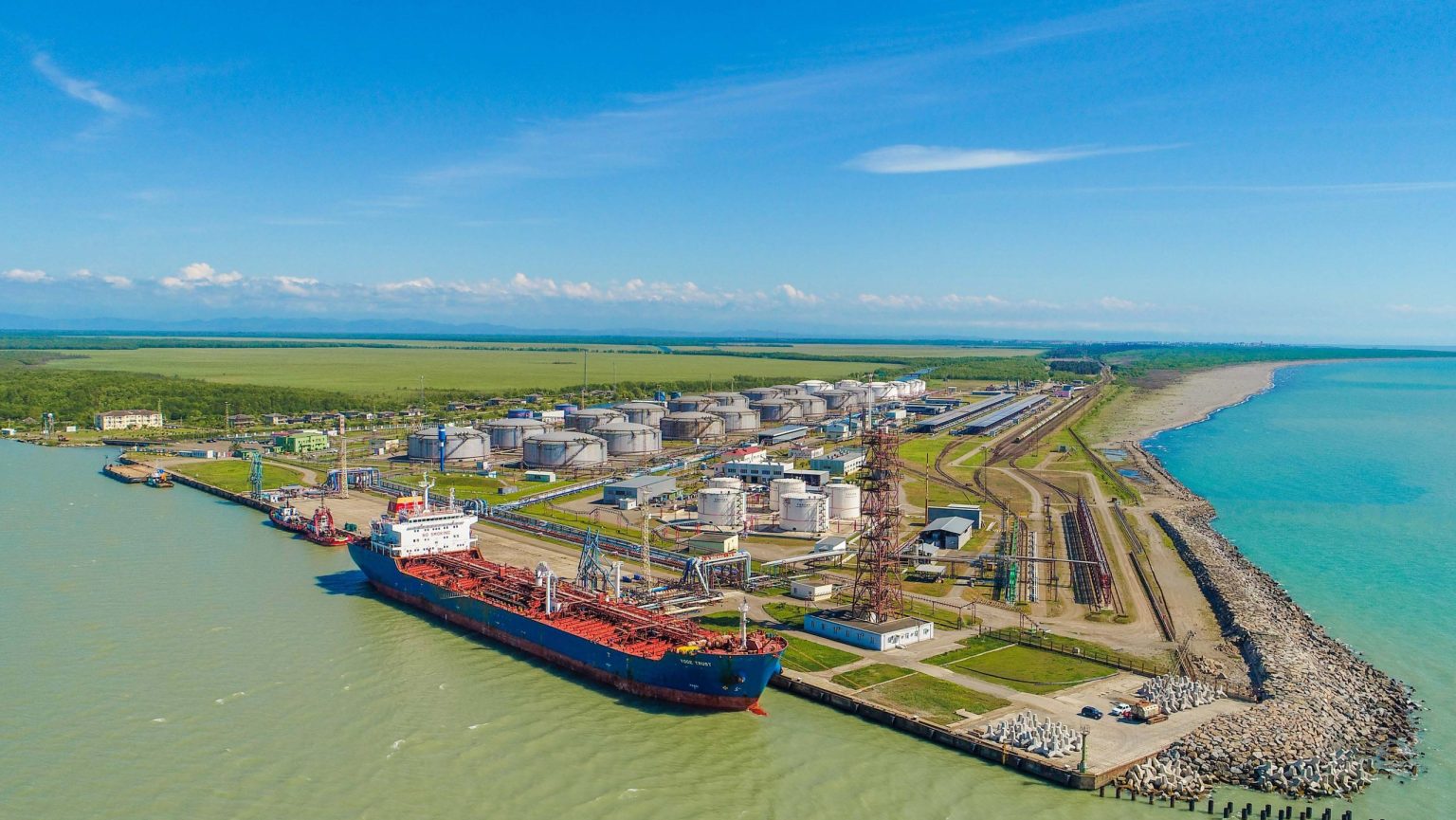
The European Union excluded the Kulevi port oil terminal from the 20th sanctions package related to Russia’s war in Ukraine. The decision is confirmed in a letter from the EU Special Representative for sanctions implementation, David O'Sullivan, to Georgian Foreign Minister Make Bochorishvili — a detail worth noting, because the letter records the obligations assumed by the Georgian side.
What preceded the decision
In October 2025 Reuters reported that Russia had for the first time supplied oil to a new refining complex in Kulevi. This raised concerns that the terminal could serve as a channel for circumvention schemes — through maritime transshipments and the so‑called shadow fleet. Italy and Hungary opposed including Kulevi in the sanctions package, and the adoption of the 20th package, which was planned to be agreed by 24 February, was derailed by a partial veto — in part due to energy risks heightened by the suspension of transit via the southern leg of the Druzhba pipeline after a Russian strike on Brody on 27 January 2026.
What guarantees the EU received
After talks with the Georgian authorities and the terminal operator the decision was revised. The letter states that the Georgian side and the port administration took on specific commitments to prohibit servicing vessels subject to international sanctions. Additional guarantees were provided by SOCAR, which manages the port infrastructure, declaring its intention to comply with the EU’s established price cap on Russian oil (from 1 February — $44.1 per barrel).
"The authorities of Georgia and the port administration have committed not to allow vessels that are under international sanctions into Kulevi, and not to service such ships."
— David O'Sullivan, EU Special Representative for sanctions implementation (letter to M. Bochorishvili)
"SOCAR intends to comply with the price cap on Russian oil established by the European Union."
— Statement by SOCAR
Analysis: what comes next and what to watch for
That Kulevi was not included in the package is not just a technical adjustment. It is a compromise that gives the EU operational guarantees in exchange for stricter transparency and control mechanisms. If the guarantees prove effective, the EU will be able to maintain pressure on Russian exports through financial and insurance restrictions without geographically expanding sanctions. If, however, these commitments turn out to be merely declarative, there is a risk of sanctions being circumvented via maritime transshipments, which would undermine the price cap and the economic pressure on Moscow.
What to watch closely in the near term:
- real procedures for verifying the origin of cargoes and access to ship documentation;
- transparency of port operations and public registers of serviced vessels;
- independent monitoring of AIS data to detect course changes and "hopping" between ship names/flags;
- consistency of EU action in case of violations — whether there will be a sanctions response against operators that service sanctioned vessels.
Conclusion
The EU’s decision is a bet on agreement and control rather than on automatic expansion of sanctions. For Ukraine the key question remains unchanged: can the sanctions regime operate in a way that limits Russia’s revenues and does not provide mechanisms for their restoration. The ball is now in the partners’ court: declarations must turn into transparent oversight and rapid response in the event of violations. Whether there is sufficient political will and technical instruments is the question on which the effectiveness of the next step in the sanctions strategy depends.







