What was approved
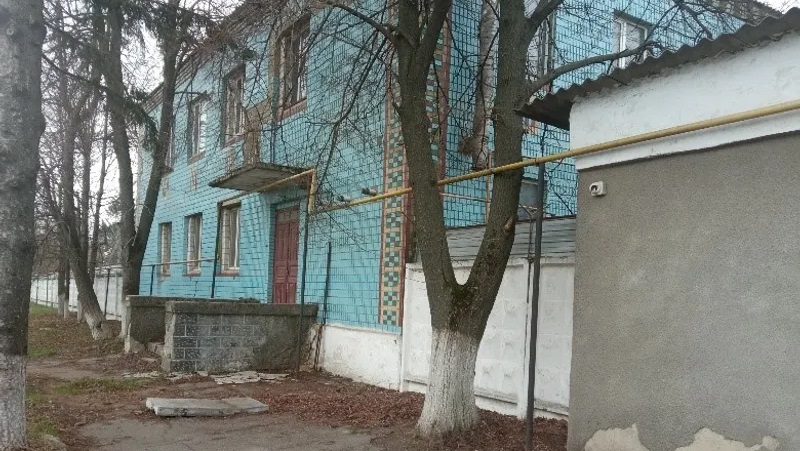
The Bucha City Council signed a contract to carry out technical inspections and prepare design documentation for the capital repair of residential buildings under the project “Repairing housing to restore rights and opportunities of people (HOPE)”. This is the official start of the preparatory phase of work, which is intended to lay the groundwork for subsequent restoration of housing damaged during hostilities.
Where they will work
Technical inspections and design work will be conducted in various parts of Bucha. Among the addresses listed in the decision are Yastremska Street: 8, 10, 5, 7, 9, 9-A, 9-B; and Tarasivska Street: 10-V, 10-G, 1-V, 1-G and 3. In total, the project plans major repairs for 79 multi-apartment buildings in Bucha, Vorzel, Mirotske and Havrylivka.
“This is a preparatory stage necessary for the safe, high-quality and phased restoration of our citizens’ housing. The technical assessment will allow us to correctly determine the scope of work and avoid risks during the execution of the capital repairs.”
— Bucha City Council
Funding and scale
The project is implemented with the support of the Ministry for Communities and Territories Development of Ukraine and funded by the World Bank (World Bank). Just for the design stage, the Bucha community has been allocated nearly UAH 220 million in grant financing. This is not direct construction work, but an investment in preparation without which the start of capital repairs would be impossible.
What is planned
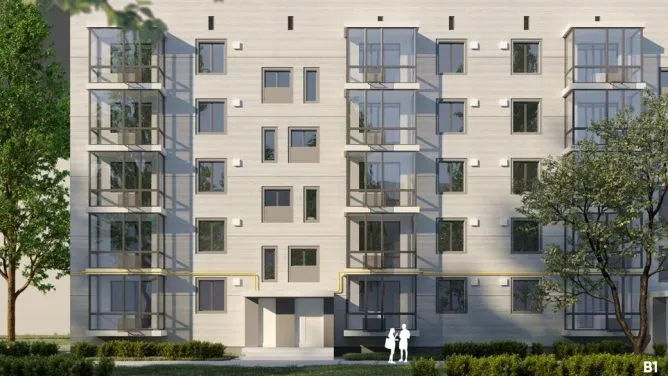
Planned subsequent works include: insulation of facades, replacement of roofs and windows, partial renewal of internal utility systems, repair of common areas and improvement of surrounding grounds. The design documentation will determine final volumes, technical solutions and the sequence of works.
Why it matters
This is not only about repairs as such — it is about residents’ safety, the energy efficiency of buildings and returning people to normal life. Analysts and recovery specialists agree: quality design reduces long-term operational costs and lowers the risk of repeated emergency situations. For the community, this is a step from destruction toward the restoration of the right to safe housing.
What’s next
The technical assessment is the first but critically important stage. Next come project approvals, tender procedures and actual construction works. The success of the design phase will determine whether promises turn into signed contracts and restored homes.
Questions for oversight: will tenders be transparent, will the projects be adapted to modern energy-efficiency standards, and how much time will it take to move from paperwork to shovels on the construction site — now depends on the coordination of authorities, donors and the professional community.