What happened
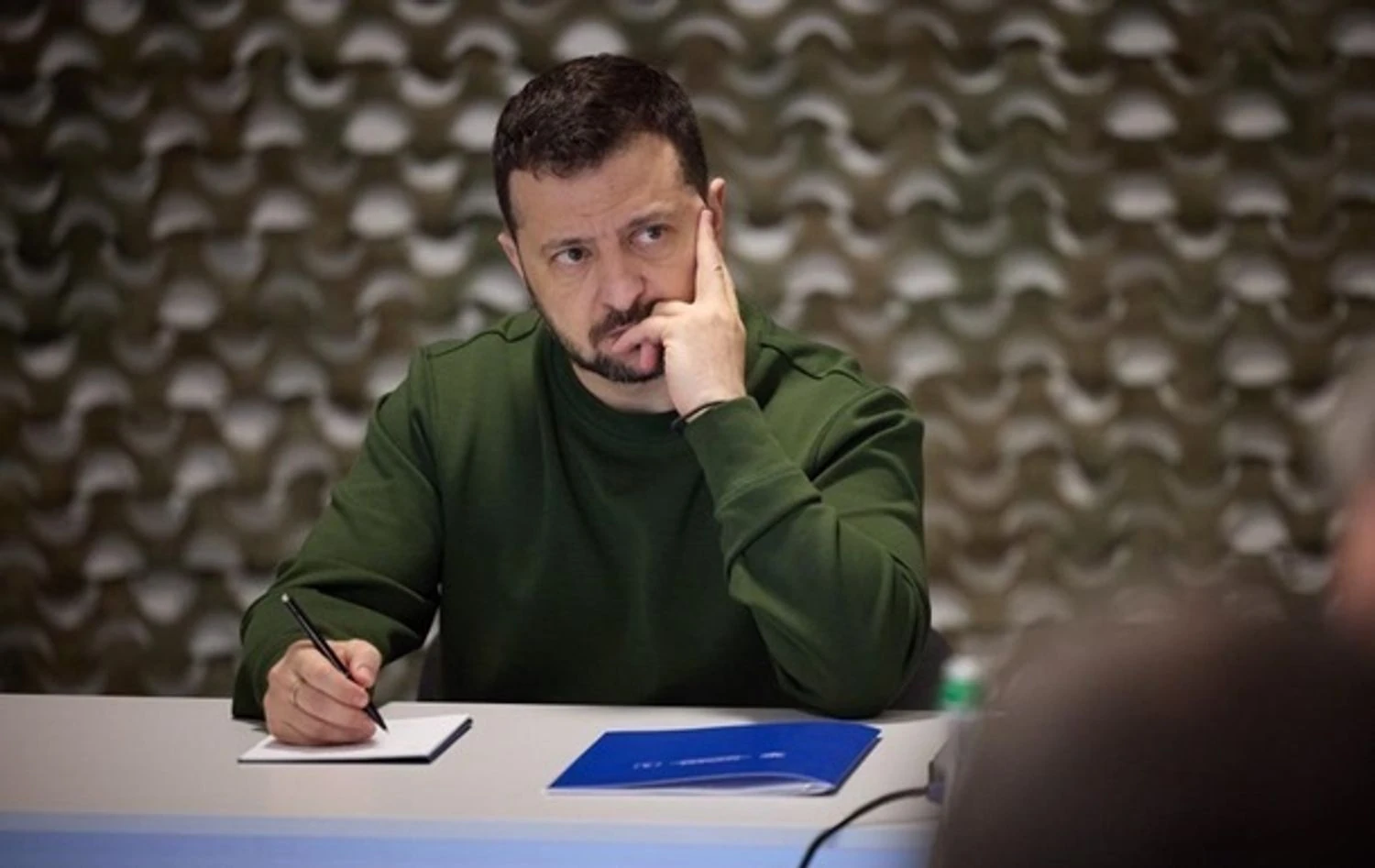
President Volodymyr Zelensky signed a decree that brings into effect the decision of the National Security and Defense Council to impose sanctions against 10 Russian athletes. The information was released by the Office of the President; the report was also conveyed by UNN. The package was formed at the initiative of Ukrainian skeleton athlete and member of the national Olympic team Vladyslav Heraskevych.
Why this matters
This decision is not merely a personal penalty. It signals a change in approach: whereas previously sporting titles or participation in competitions sometimes served as a shield for political positions, now the state's response records and punishes public support for aggression. According to the Office of the President, the sanctions target those who justify Russian aggression, visit temporarily occupied territories, collect funds for occupation structures, and are involved in events with children whom Russia illegally removed from Ukraine.
Who is under sanctions and for what
The Office of the President outlines the criteria: participation in events in occupied territories (Donetsk, Luhansk, Zaporizhzhia regions, Crimea), public justifications of Russian aggression, fundraising to support the occupiers, and participation in programs related to children who were kidnapped. Specific names are not listed in the initial official statement, however the package itself underscores the principle: public support for the aggressor has consequences.
“This Ukrainian sanctions package should be a signal to others in the world — a signal that one cannot simply close their eyes to support for aggression… We will restore justice.”
— Volodymyr Zelensky, President of Ukraine / Office of the President statement
“It's very important to show: sport cannot serve as a cover for crimes. Thank you to everyone who supported the initiative.”
— Vladyslav Heraskevych, skeleton athlete, member of Ukraine’s national Olympic team
Effects and consequences
In practice, the sanctions mean legal and reputational restrictions — from asset freezes to bans on entry and official contacts. For the sporting community, this is another trigger against sportswashing — the practice of using sport to legitimize political actions. The Ukrainian initiative also creates additional pressure on international federations and partners to review their standards of cooperation and ethics.
What's next
Now the question is how international sporting institutions and partners will respond. Will they move toward isolating those who support the aggression, or will they keep politics and sport separate? For Ukraine this step is part of a strategy to create a legal and moral barrier against the normalization of occupation and abductions. Further decisions by international organizations and partners will determine whether this signal turns into a systemic change in the rules of the game.
Sources: Office of the President of Ukraine, UNN; public remarks by Vladyslav Heraskevych during the Munich conference.







