In brief — what happened
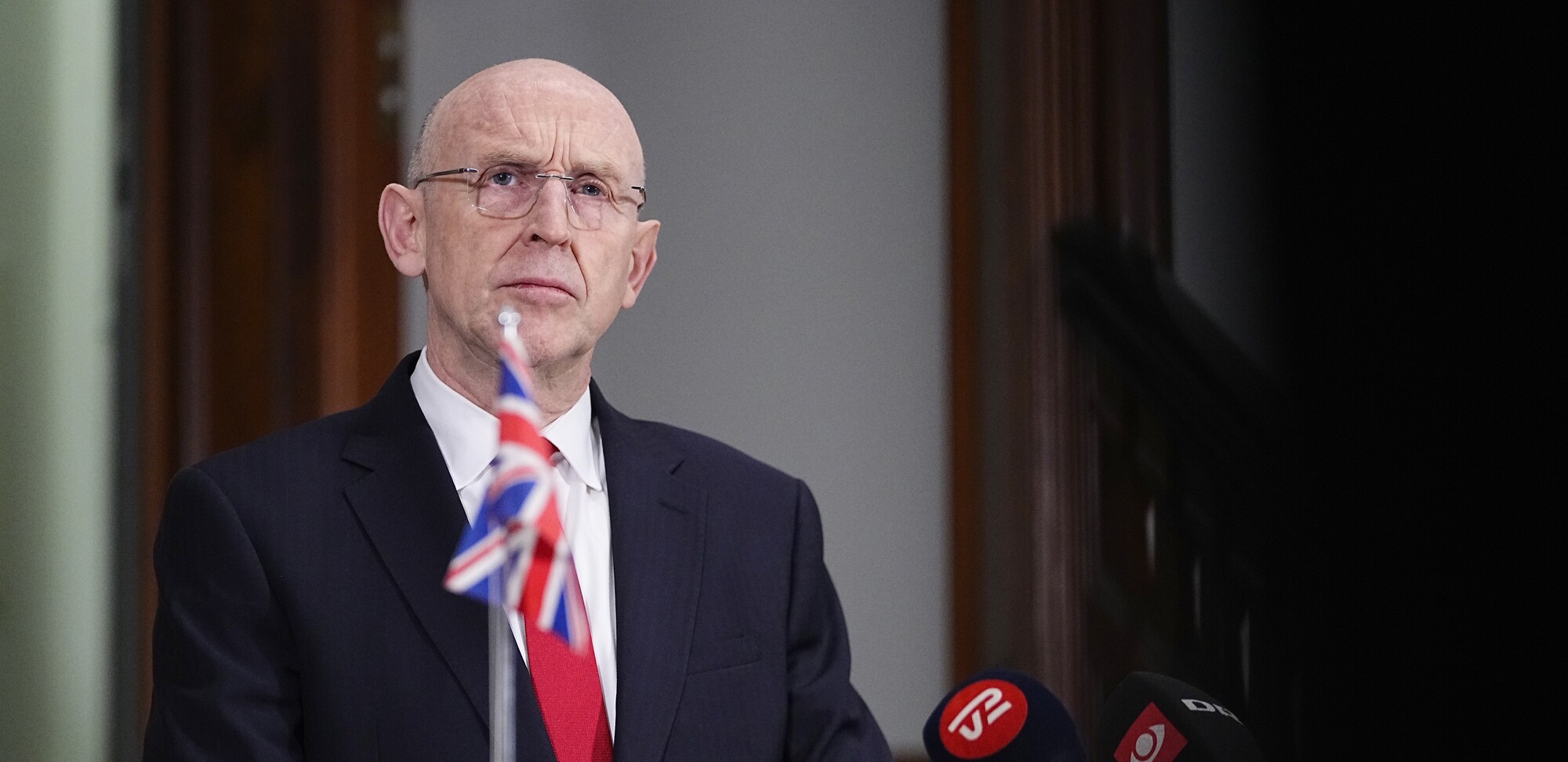
At the Munich Security Conference, British defence minister John Gili, in an interview with Bloomberg, said that because of heavy losses the Russian army is increasingly relying on foreign fighters and mercenaries. He estimated that about 17,000 North Korean military personnel are taking part in the fighting on Russia's side.
Sources and context
Gili made this assessment against the backdrop of NATO data showing a high rate of losses among Russian units, which has been rising for the third month in a row. Ukrainian command also points to the intensity of the fighting: on 30 December General Serhiy Syrskyi stated that the ratio of losses remains significant — this speaks to the intensity of strikes on the adversary, not to "success" in the long term.
Who these people are and how they are recruited
According to Gili, many of these fighters are recruited by deception or under pressure — including in countries in South Asia, Africa and Latin America. Russia uses private military companies, contracts and coercion to fill personnel gaps, which indicates a systemic problem with the Kremlin's mobilisation resources.
"They are often recruited by deception and lured under pressure, and they do not necessarily realise that they are being sent into the Russian 'meat grinder' on the front line in Ukraine"
— John Gili, British defence minister
Consequences for the front and security
The use of foreign mercenaries has a number of negative consequences for the Russian operation itself: a decline in combat discipline, an increased likelihood of war crimes, complications for logistics and intelligence. For Ukraine this is not only a threat, but also an opportunity: to dictate the conditions of local operations, and to step up counterintelligence and information actions against recruitment and supply channels.
What Ukraine and its partners should do
First, continue to focus on the systematic exhaustion of the enemy's resources: strikes on supply lines, exposing recruitment schemes and legal work against PMCs and networks. Second, strengthen the exchange of intelligence with partners to locate and neutralise mercenary interventions. And finally, document violations — this is an important part of strategic pressure on the Kremlin in future international proceedings.
Conclusion
Minister Gili's assessment is another indicator of the Kremlin's personnel crisis. This opens operational windows for Ukraine, but turning the signal into a lasting advantage is possible only through systematic work on the front, in the rear and on the diplomatic front.





