Briefly
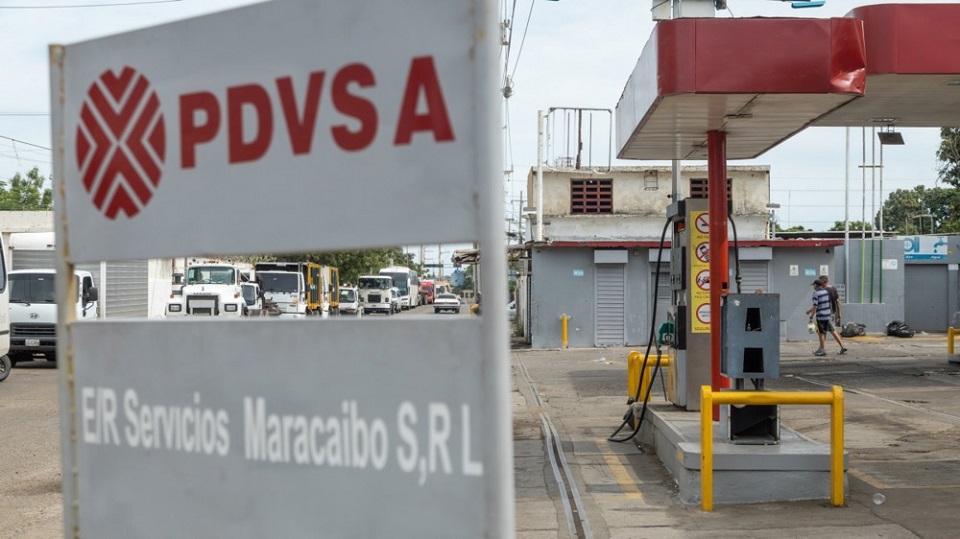
Reuters reports that Venezuela's state oil company PDVSA continues to operate normally after the U.S. strikes on January 3. At the same time the port of La Guaira was damaged, although it is not used for oil exports. Meanwhile The Wall Street Journal records changes in tanker movements — one of the vessels bound for Venezuela turned toward Nigeria, and several others anchored.
What happened
On the morning of January 3, the United States struck a number of ground targets in Venezuela: the parliament, the residence of the defense minister, the main military base Fuerte Tiuna, the La Carlota airbase and other targets near Caracas were affected. According to media reports, there are casualties; an emergency meeting of the UN Security Council is being convened.
"PDVSA is operating normally and suffered no damage from the US strikes on Venezuela."
— Reuters (agency sources)
How it affects oil
The key question for the market is the scale and duration of disruptions to Venezuelan production and exports. Prior to the recent complications, production in the country was estimated at about 1 million barrels per day, roughly half of which went to export. After a previous blockade by the United States, figures by some accounts fell to around 0.5 million b/d; PDVSA had already begun shutting down production areas before the latest strikes.
"The tanker Thousand Sunny, which was bound for Venezuela, after the attack turned toward Nigeria; another four oil tankers anchored."
— The Wall Street Journal
That means that even in the absence of serious damage to refining capacity, supply logistics and shipowners' fears can slow the flow of product to the world market — at least temporarily. The consequence: increased price volatility until the market assesses the actual state of exports.
Political context and regional consequences
The strikes are accompanied by claims of an attempt to seize President Nicolás Maduro; Western media report such versions, and a former US leader said Maduro and his wife were taken away — their whereabouts are currently unknown. This creates political uncertainty, which increases risks for investors and carriers in the region.
For neighboring countries and global energy security the events are a reminder that even local military-political operations can have remote effects on supply chains. Tools already used previously — a naval blockade and sanctions — increase the vulnerability of an already weakened Venezuelan infrastructure.
What’s next
If logistical obstacles persist or the escalation turns into a prolonged phase, the market could react with higher prices. If supplies are quickly restored and key refineries are unharmed, the impact may remain limited. Analysts point to two observation points: actual export volumes in the coming weeks and decisions by insurers and shipowning companies regarding operations in Venezuelan ports.
"While attention is focused on the political aspects, the real work is on controlling logistics and assessing export flows."
— energy market analysts
Conclusion
Formally PDVSA has not stopped, but the damaged port and changes in tanker movements create uncertainty. For Ukraine and other energy consumers this is another illustration of how geopolitics can instantly affect supplies and prices. Now it is up to global players: whether these operational statements will turn into stable logistical decisions — and how the market will react to the actual volumes that arrive in the coming days.







