In high diplomacy, it's not loud statements but concrete results that matter
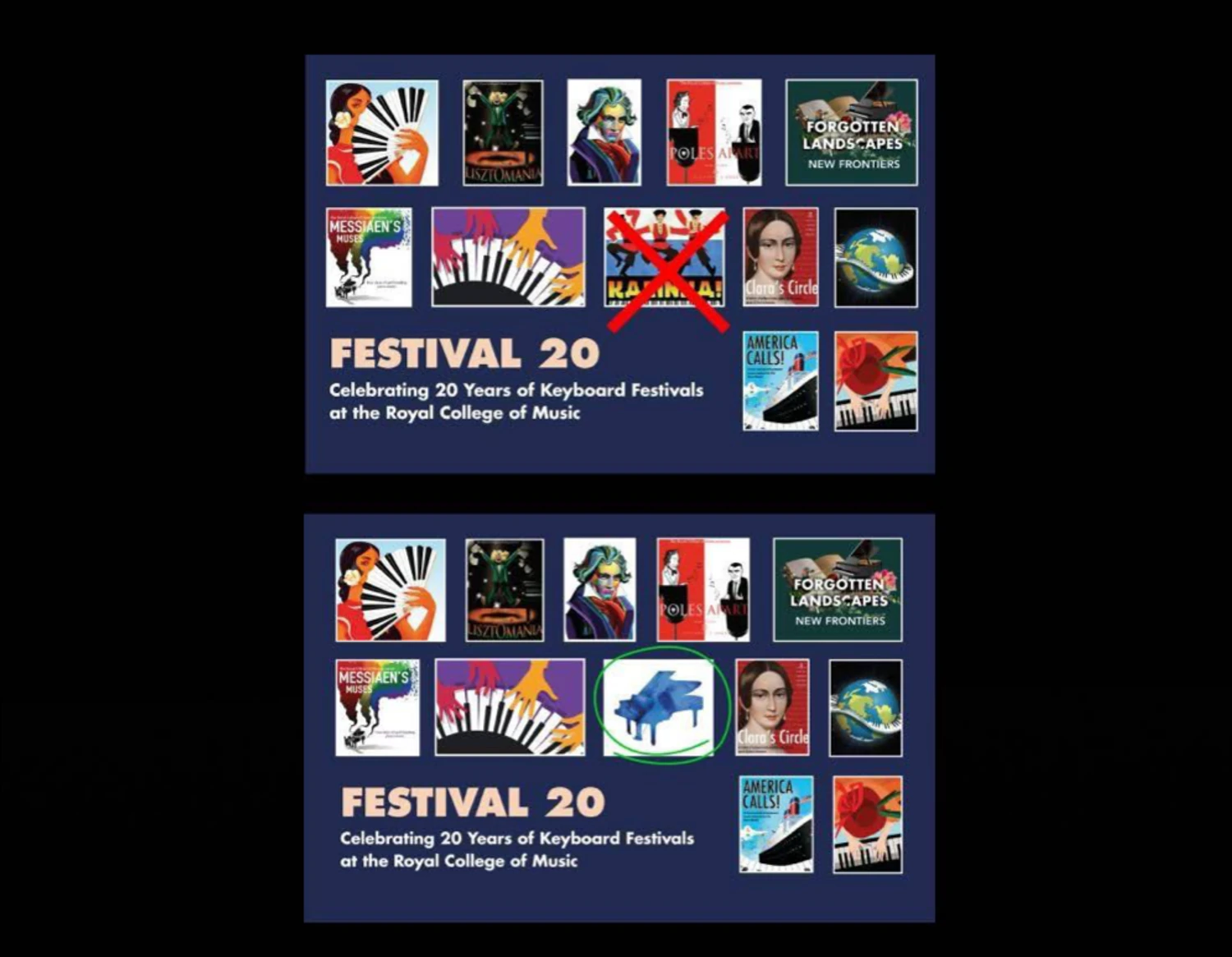
The Embassy of Ukraine in the United Kingdom, together with the Ukrainian community in London, secured the removal of a reference to the Russian festival «Kalinka» from the information materials of the Royal College of Music. This was reported by the Ministry of Foreign Affairs of Ukraine, citing a UNN report. For the reader this matters not only as a local victory — it is a signal to international institutions about increased attention to the sources and context of cultural events during the war.
The diplomatic team approached the organisers, emphasising the unacceptability of promoting cultural projects of the aggressor state amid Russia's full-scale aggression against Ukraine. This approach combines official diplomatic channels and public oversight — and it was this combination that produced results.
"The reference to the 'Kalinka' festival concerned the retrospective part of the anniversary programme related to an event from 2014. We apologise for the misunderstanding and will update the digital materials, removing the relevant reference."
— A representative of the Royal College of Music
The Royal College of Music clarified that it referred to the retrospective part of the programme dedicated to Russian music, and assured that the digital materials will be updated. At the same time, the Ministry of Foreign Affairs emphasised the broader meaning of this story: culture should not serve as an instrument of propaganda for an aggressor state.
"Russian culture, which the aggressor state uses as an instrument of influence and propaganda, should have no place on the international stage or in the global cultural space."
— Ministry of Foreign Affairs of Ukraine
This is not an isolated case: institutions in Europe are increasingly reviewing programmes and contacts. According to UNN, theatres and festivals are adjusting performances and invitations — for example, reports about the cancellation of performances by a Russian ballerina in Florence. Such dynamics reflect a new reality where cultural decisions have a geopolitical dimension.
Conclusion: the combination of diplomatic pressure, community work and institutional responsibility yields results. The next step is to formulate transparent criteria for content selection and practices that will allow international cultural centres to avoid unintentionally legitimising projects linked to Russian state propaganda.





