Briefly
Law enforcement officials announced they have charged a suspect in connection with a terrorist attack in central Lviv on the night of February 22. The victim was a 23-year-old police officer; 25 people were injured. The President blames Russia for organizing the operation; the investigation continues.
What happened
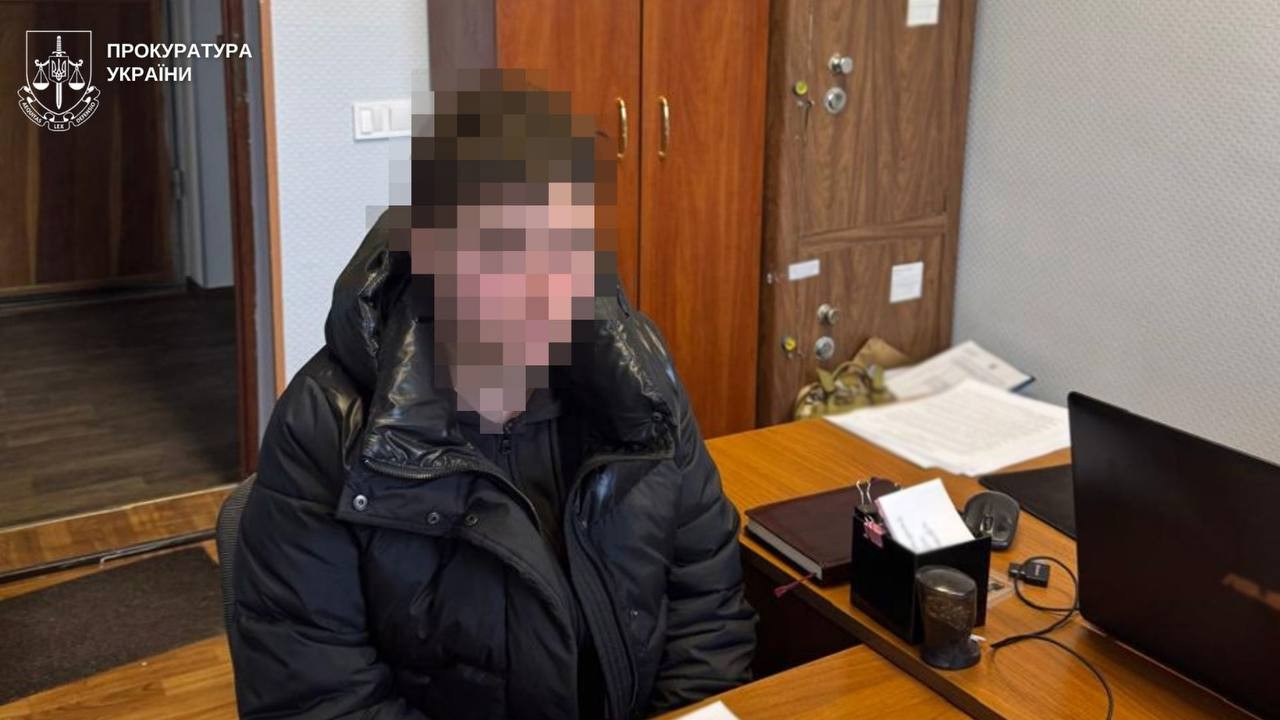
According to the Office of the Prosecutor General, the suspect is a 33-year-old resident of Kostopil in Rivne region who had been temporarily living in Lviv since September. She is accused of carrying out a terrorist act that resulted in a death and of illegal handling of weapons. The maximum penalty is life imprisonment with confiscation of property. The prosecution is preparing a motion to detain her in custody without the right to bail.
Timeline of events
The official timeline of the incident released by the Office of the Prosecutor General:
→ between 23:00 and 23:30 on Danylysha Street, building 20, the suspect planted two homemade explosive devices;
→ around 00:30 a call to the 102 line came from Kharkiv region reporting an alleged break-in at a shop on that street; the caller's identity has been established;
→ upon the arrival of the first patrol unit the first explosion occurred; after the arrival of the second unit — another one;
→ the suspect left the scene by taxi; there is a version that one of the devices was activated remotely;
→ she was detained in Staryi Sambir in Lviv region; during searches physical evidence was seized, investigative actions continue.
Official statements
"Investigative actions are currently ongoing with the detainee. Searches were conducted at her places of residence and stay. Evidence of unlawful activity has been seized."
— Office of the Prosecutor General
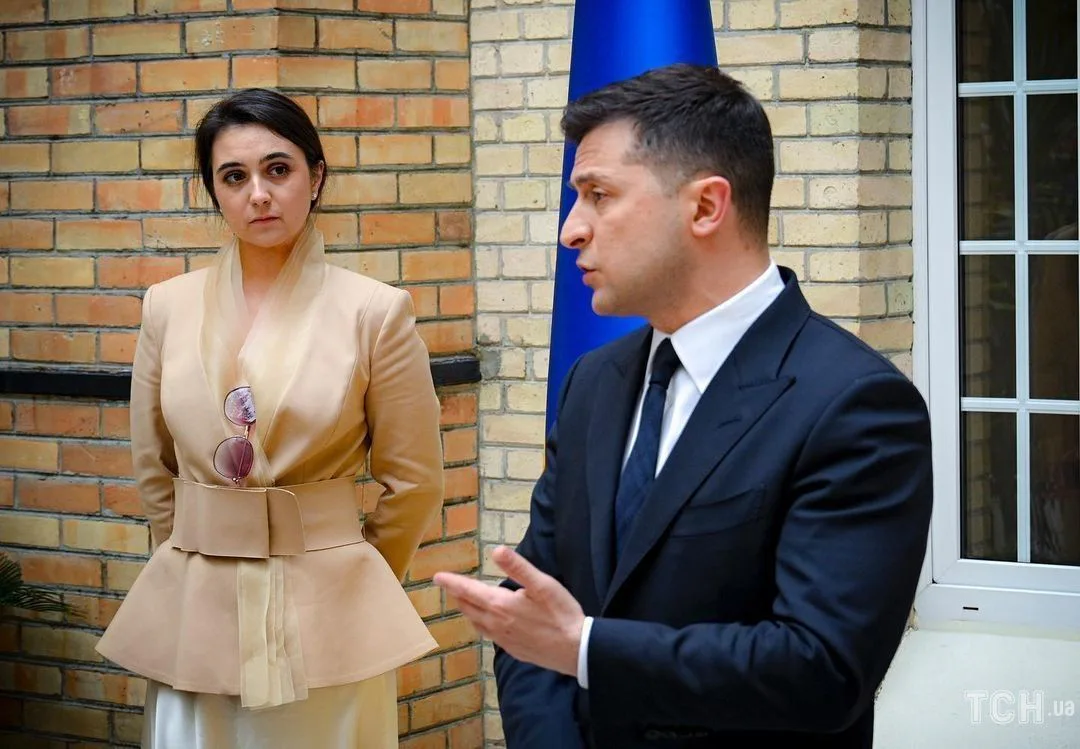
"The perpetrators were recruited via Telegram. The organization of the terrorist attack is Russian... More protection for people is needed."
— Volodymyr Zelenskyy, President of Ukraine
Context and consequences
The President and law enforcement agencies link the incident to a Russian organization and note the use of messaging apps for recruitment. This fits into the broader narrative of the Russian Federation's efforts to destabilize the home front and sow fear among the civilian population. Law enforcement say they have experience preventing similar incidents but stress the need for rapid response and coordination.
What's next
The investigation must establish all recruitment channels and the suspect's connections, confirm or refute the involvement of Russian handlers, and clarify the detonation mechanism. Authorities are calling for heightened vigilance in communities and for local security structures to step up their work.
Experts and law enforcement note that the response to such challenges combines operational work by security services, criminal prosecution, and civic vigilance. In the short term the key task is to complete investigative actions and present the evidentiary base; in the medium term — to reduce opportunities for recruitment and sabotage behind the front lines.
Summary
This case is not only a criminal incident but also a test of the state's and society's ability to counter hybrid threats. The outcome of the investigation will determine how quickly answers emerge about the organizers and the mechanics of the attack — and therefore how effective prevention of similar crimes will be in the future.