Queues at Crimean gas stations are not a novelty of the summer season. But from May 31, 2026, they have become the norm, enshrined in an official order. The occupation administration has effectively abolished the free fuel market on the peninsula — and did so quietly, through a social media post.
What happened and how it started
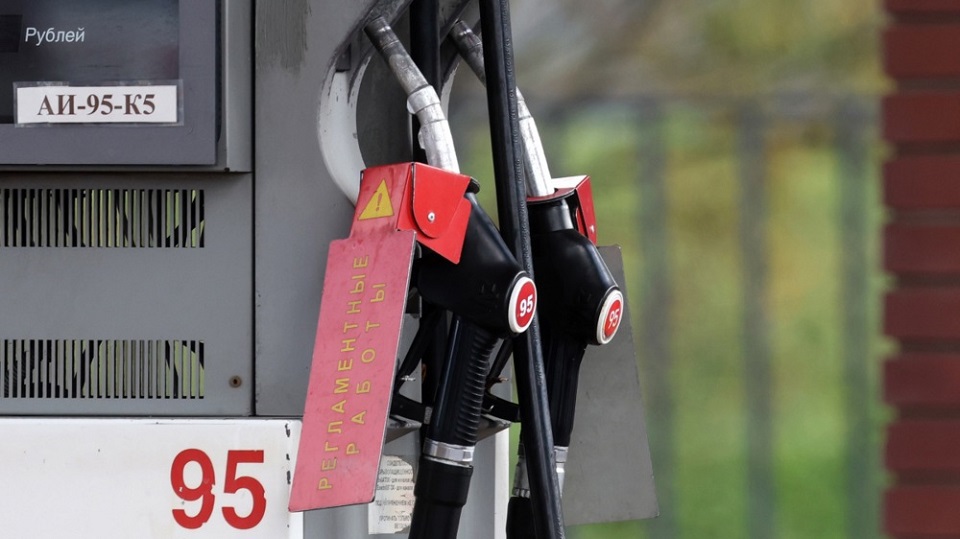
Sergey Aksyonov, the Moscow-appointed head of occupied Crimea, announced new restrictions on May 30: AI-95 gasoline — exclusively through previously purchased vouchers, with priority for utilities and public transport. AI-92 — no more than 20 liters per person once per day. New vouchers are temporarily not being sold.
The same day, Mikhail Razvozhaev, the "governor" of occupied Sevastopol, introduced similar measures: at TES network gas stations, the daily limit was exhausted within hours of opening, after which both gasoline grades were switched exclusively to a voucher system.
"I ask Crimeans not to buy gasoline in reserve and to refuel their vehicles in the normal mode"
Sergey Aksyonov, Moscow-appointed head of occupied Crimea
By June 1, the situation had worsened: according to Reuters, which spoke with peninsula residents, even vouchers ceased to help — many gas stations simply had no fuel.
Three reasons why fuel disappeared
The shortage did not occur suddenly. It was formed by three parallel processes:
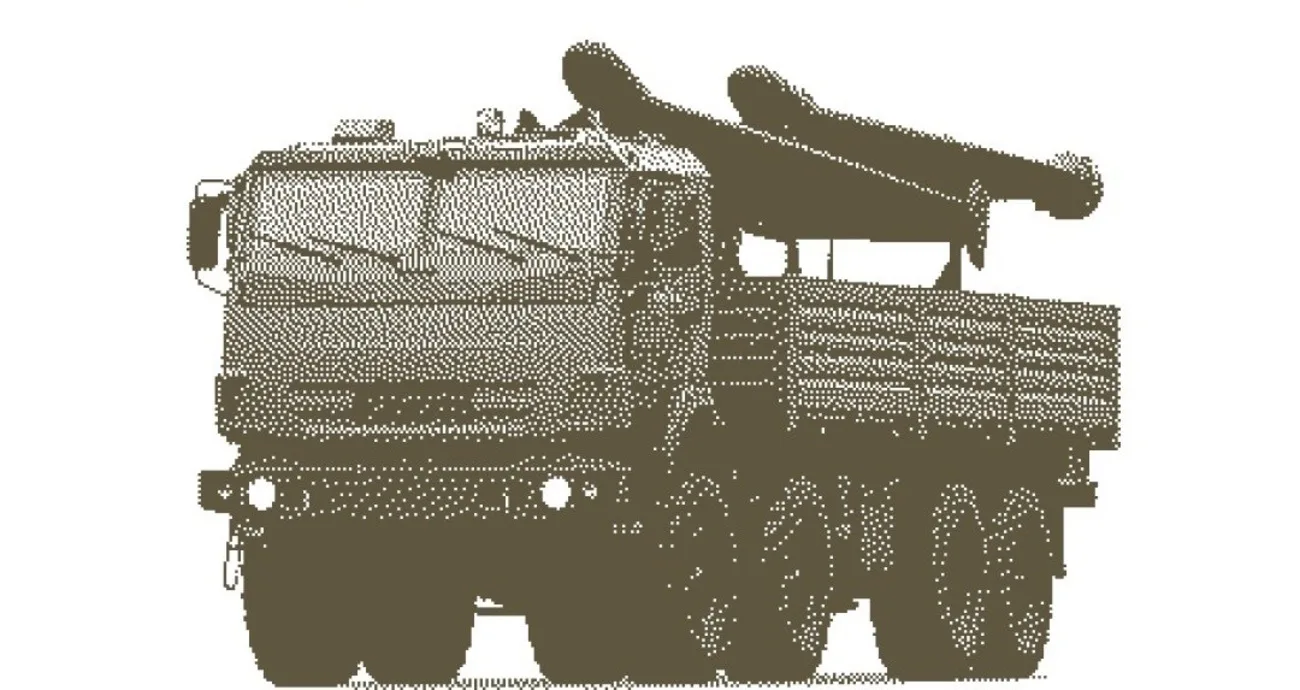
- AFU strikes on the R-280 "Novorossiya" highway — the federal road from Rostov-on-Don to Simferopol was the main land route for fuel tankers. After systematic strikes by Ukrainian medium-range drones, traffic on the highway became significantly complicated.
- Degradation of rail supply — the railway has been reoriented toward military cargo, the number of ferries across the Kerch Strait has been reduced due to strikes on the fleet. The Crimean Bridge is essentially not used for transporting fuel for security reasons — occupation authorities have stated this themselves.
- Strikes on Russian refineries — attacks on oil refineries in Tuapse, Ryazan, Kirishi and other cities have reduced Russia's overall gasoline production. According to analysts, oil companies have almost stopped selling products on the St. Petersburg stock exchange — all volumes go to their own gas station networks.
What this means beyond the gas stations
The fuel crisis strikes not only civilians. Igor Chalenko, head of the Center for Analysis and Strategy, explained that systemic strikes on logistics and oil refining infrastructure "already create significant difficulties for Russia — the consequences are evident not only on the front, but also deep in the rear." In other words: the same gasoline queue at a Simferopol gas station reflects problems in fuel supplies to military units.
There is a separate tourism dimension. Sergey Romashkin, vice president of the Russian Tour Operators Association, noted that fuel sales restrictions "will inevitably affect tourism flow dynamics, since approximately 80% of tourists reach Crimea by personal vehicles". Russians who were already planning a summer vacation on the peninsula were officially advised to bring gasoline in cans — up to 100 liters total is allowed to be transported across the Kerch Bridge.
Krym.Realii researcher Sergey Danilov points to another effect: "Now it's crumbling, the picture is collapsing" — referring to loyalty to the occupation authorities. According to him, the more the everyday situation deteriorates, the more residents are willing to pass information to Ukrainian intelligence.
Manual management as a sign of systemic problems
The voucher system is not an anti-crisis measure, but a symptom. A fuel market that the state is switching to "manual mode" means one thing: market mechanisms are no longer able to balance supply and demand. This is the first such step by the Crimean occupation administration since the large-scale shortage of 2023.
If AFU strikes on the "Novorossiya" highway and refineries do not stop, the question is not whether new vouchers will return in the fall — but whether existing reserves will be enough to last until the next redistribution.