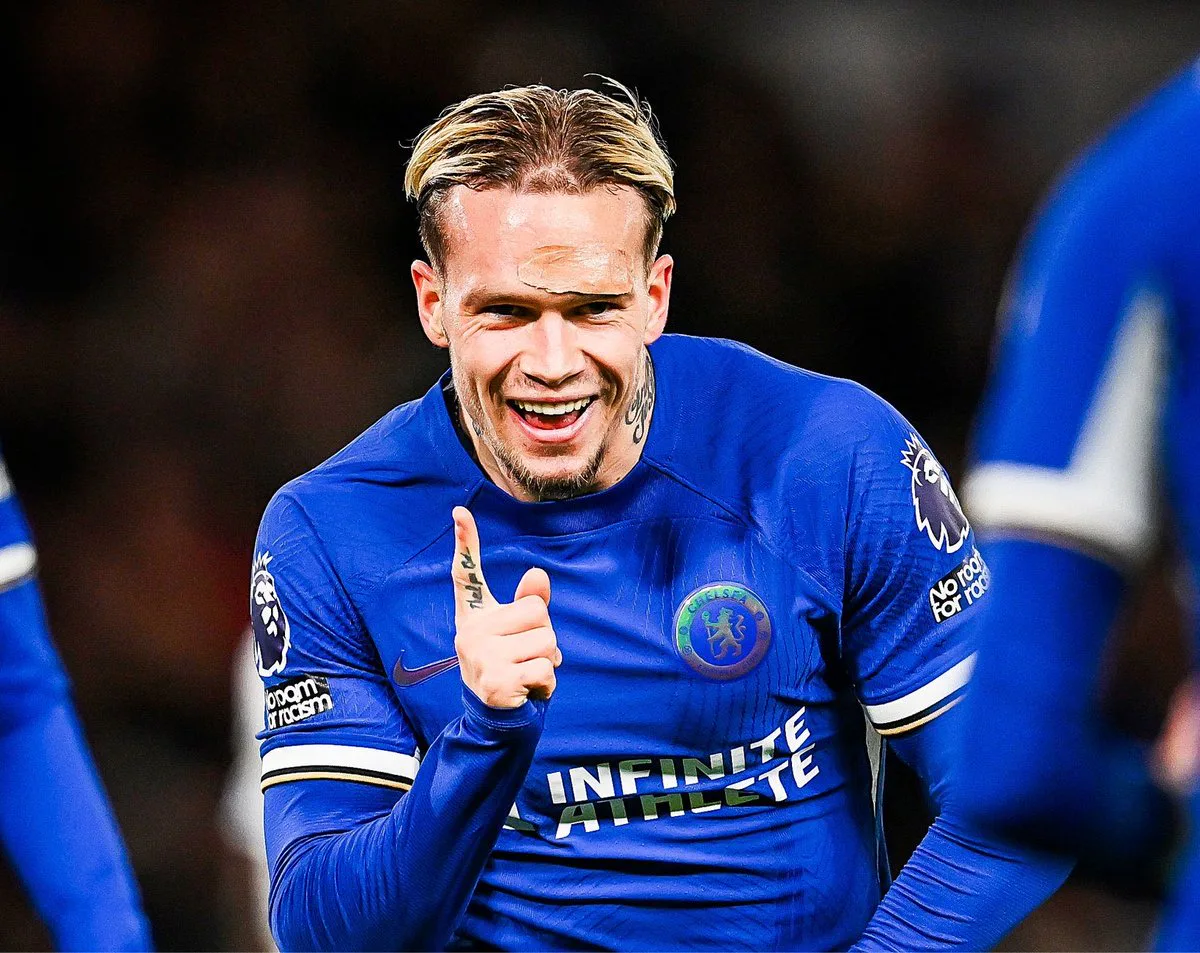
Mykhailo Mudryk announced the cancellation of a four-year doping disqualification and called it the end of the "most difficult period" in his career. Formally, this is true: the ban has been lifted, and the right to play has been restored immediately. However, the very formula of "cancellation" in anti-doping cases rarely means what fans hope for.
Cancellation does not always mean innocence
In anti-doping practice, a decision to cancel a penalty may be based on several fundamentally different grounds. The first is proven absence of guilt or negligence, when an athlete convincingly demonstrates how a banned substance entered their body without their fault. The second is procedural violations during sample collection or analysis, which render the test result legally void, regardless of what was actually there. The third is the expiration of deadlines or technical grounds in the proceedings themselves.
Mudryk emphasizes the first option in his statements: "never knowingly or intentionally used." However, the text of the announcement itself contains no details of the actual decision — what exactly it was based on. And these details are decisive here: reputation, club trust, the attitude of the Ukrainian Football Federation and the national team.
What this means for Chelsea and his career
A player valued at over 70 million pounds has been out of action for almost two years — a critical period for a footballer building form and trust with the coaching staff. Chelsea has signed new wingers during this time, and Mudryk will have to fight for a starting place again through competition, not just his contract.
There is also the separate question of the Ukrainian national team's trust. The head coach must decide whether to bring the player back into the squad immediately or give him time to gain match practice at his club — after all, Mudryk's last official match took place before the disqualification.
A factor that is harder for fans to forgive
Parallel to the doping case, another scandal unfolded — Mudryk's offensive remarks about Volyn during a Counter-Strike 2 stream match, which even required a response from the Ministry of Foreign Affairs. For part of the audience, it is this story, not the doping test, that will be decisive when the player returns to the public sphere.
The question for the coming weeks is simple: will the anti-doping authority publish the full text of the decision with justification, or will the public continue to judge the case solely based on the official statement from the footballer himself.







