What happened
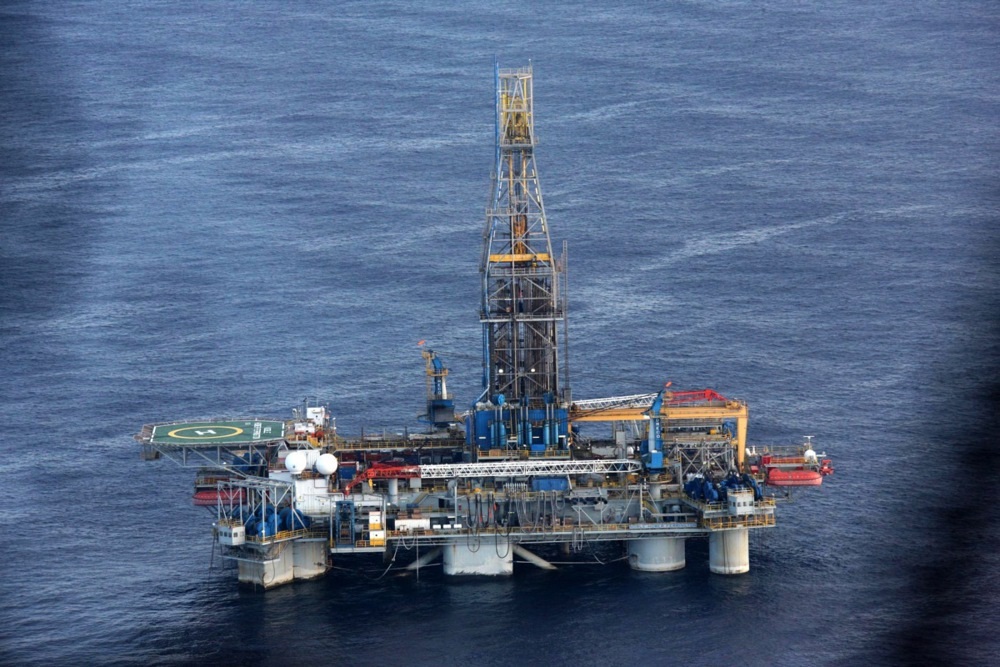
According to Reuters, Naftogaz is in talks with Romanian subsidiary OMV Petrom on the joint development of a gas field on Ukraine's Black Sea shelf. The agency cites sources saying the reserves are "significant" and the negotiations are at an early stage.
"According to Reuters, Naftogaz has discovered 'significant' gas reserves, and talks with OMV Petrom are still at an early stage"
— Reuters (citing sources)
Details of the talks
According to the agency, seismic work has been partially carried out and 2D and 3D data are available. Ukraine seeks to combine business- and state-level negotiations to attract Western deepwater technologies and financing.
President Volodymyr Zelensky, after meeting with the president of Romania, said the two countries plan joint extraction projects on the shelf — no further details were provided.
"The two countries plan to jointly implement projects to extract resources on the Black Sea shelf"
— Volodymyr Zelensky, President of Ukraine (according to reports)
Why this matters
This is not just a geological discovery — it is an element of strategic necessity. First, as a result of the war Ukraine has lost a large share of its domestic production capacity: missile strikes damaged about half of extraction assets, and imports have risen significantly. Second, Europe is steadily reducing its dependence on Russian gas — therefore regional Black Sea reserves could be a potential resource for diversification.
Social proof: alongside Ukrainian blocks, Romania and Turkey are already developing their own offshore projects (for example, Neptun Deep in Romania, where OMV Petrom and Romgaz are preparing for production from 2027). This confirms that investors and technologies are moving toward the Black Sea.
Implications and scenarios
Short term: production will not start while the war continues — Reuters indicates the same. Medium- and long-term: successful talks could give Ukraine access to deepwater development technologies, investment and partial restoration of its own production, which would strengthen the country's energy resilience and provide the EU with additional gas sources.
Risks remain: legal questions over the shelf, safety of operations in a near-frontline region, and investment attractiveness during wartime. The key, therefore, is to turn political declarations into signed contracts and clear technical plans.
Summary
The discovery and talks are an opportunity for Ukraine to bolster energy independence, but implementation will require time, technology and international cooperation. The ball is now in the partners' court: will the initial agreements with OMV Petrom and state institutions be transformed into concrete investments and infrastructure projects?







