What Happened
According to the German Frankfurter Allgemeine Zeitung (FAZ), during the multinational NATO REPMUS/Dynamic Messenger 2025 exercises under Ukraine's leadership, the "red" team, which played the adversary, achieved a decisive advantage over the "blue" in several scenarios — and, by the exercise criteria, struck at least one frigate. At the same time, it is important to remember: this was a simulation in which the condition for a "sinking" was the first targeting lock and documentation of that fact.
Why This Matters
This is not just another story about exercises. Three factors came together here: the operational combat experience of Ukrainian forces, the rapid development of unmanned systems, and the Alliance's desire to test new tactics in realistic conditions. As the WSJ writes about other drills, the practical experience of certain units gives them an advantage over forces trained according to classical templates.
Equipment and Tactics — What Worked
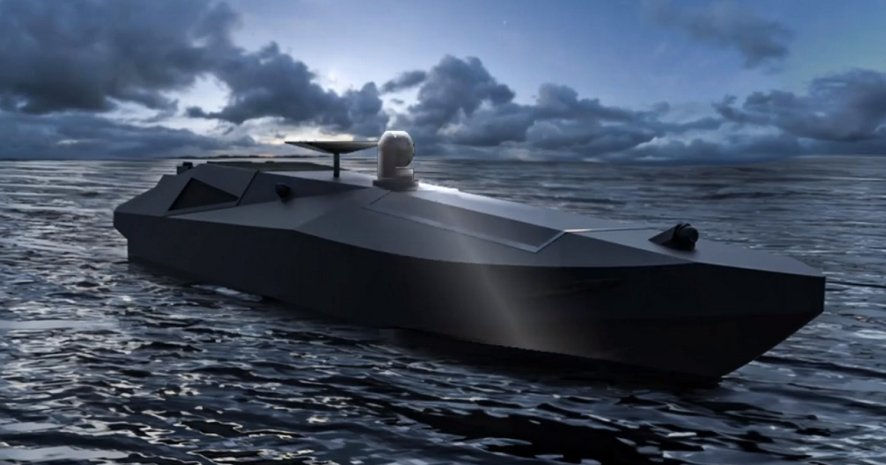
According to FAZ, the "red" team used several versions of the Ukrainian maritime drone Magura V7: one equipped with reconnaissance gear and an explosive charge, another fitted with a machine gun. The unmanned boats operated in concert with aviation, large ships and electronic measures: simulated radio jamming, acoustic reconnaissance and coordinated strikes created a multiplicative effect.
"The problem wasn't that they couldn't stop us — they hadn't even seen our weapons yet."
— a source for FAZ, a participant in the exercises
Under the exercise rules, "hits" were recorded on video and in chats; a drone was considered the winner if it had aimed at the target before the ship detected it. Such a system underscores that the key factor is not only accuracy, but the primacy of reconnaissance and concealment of actions.
Social and Economic Context
This is also a story about the Ukrainian industry: the tech startup Uforce, manufacturer of Magura, in March received a valuation of over $1 billion after a $50 million investment round. This is a signal to partners: defense innovations are being born here and already demonstrate practical effectiveness in international maneuvers.
What It Means for NATO and for Us
The exercises showed that even powerful fleets can be vulnerable to coordinated drone attacks if they do not adapt quickly. For NATO this is a wake-up call to rethink counter-drone procedures and integrate new tactics. For Ukraine — confirmation that combining combat experience and domestic technologies provides a strategic advantage and strengthens its position in joint planning with partners.
Conclusion
This training "victory" is not a spectacle but a practical test that revealed a real gap in preparedness for unmanned attacks. Now the question for partners is: will the lessons from the exercises translate into concrete changes in tactics, equipment and procedures for protecting convoys and ports? Ukrainian experience and technologies provide the answer — but Alliance action is needed for it to become the common standard.





