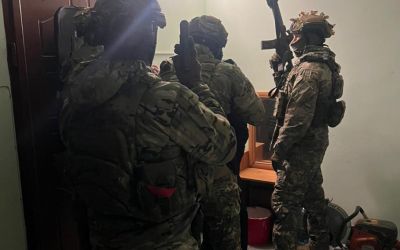
What happened
Detectives from the State Bureau of Investigation uncovered and dismantled a transnational channel for supplying cocaine from European countries to Ukraine. The organizer was detained — a citizen who had previously served a sentence in the United States for similar crimes. He has been notified of suspicion under Part 3 of Article 307 of the Criminal Code of Ukraine; he faces up to 12 years' imprisonment.
"Detectives of the SBI uncovered and dismantled a transnational channel for supplying cocaine from European countries into the territory of Ukraine."
— State Bureau of Investigation
How the channel operated
According to the investigation, the group included citizens of Ukraine, Armenia, the Czech Republic and Germany with clearly divided roles and a multi-level logistical scheme. At the initial stage the drugs were transported in small batches — couriers concealed the substance inside their own bodies. At the same time, participants negotiated scaling-up plans: alternative delivery routes, including via maritime container shipments using Odesa's port infrastructure.
Scale and risks
The investigation indicates they planned to import up to 2 kg of cocaine per week; the black-market value of a single such shipment exceeded $200,000. Even at relatively small volumes of smuggling, such a scheme poses a systemic threat: it exploits international logistics chains and creates risks to port security, local communities and the economy.
Why this matters for Ukraine
This case demonstrates several key points that are important for readers:
1) Cross-border networks adapt quickly. The return of the organizer with criminal experience in the U.S. and his overseas connections underscores that counteraction requires international coordination.
2) Port infrastructure is a vulnerable element. Containers and maritime transport allow traffic to be scaled up; port control must be one of the security priorities.
3) Holding perpetrators accountable is an important deterrent. Criminal prosecutions, swift court decisions and effective preventive measures reduce the market's attractiveness for organizers.
What’s next
The case essentially needs two things: an effective investigation and systemic preventive measures. On January 2 the President instructed that proposals be prepared for reforming the SBI — this is an opportunity to strengthen the institution, but declarations must turn into concrete tools: better coordination with customs and border guards, reinforced controls at ports, and international cooperation with law enforcement partners.
Security analysts emphasize that even local busts require systemic follow-through: from investigations to changes in logistics, legislation and international agreements. Without this, the risk of the channels being re-established will remain.
Conclusion
The arrest in Odesa is a real achievement for law enforcement. But it also raises broader questions: how do we protect our ports, businesses and communities from transnational organized groups? The next step is to turn the exposure of the scheme into consistent systemic changes that will make similar attempts impossible to repeat.







