What happened
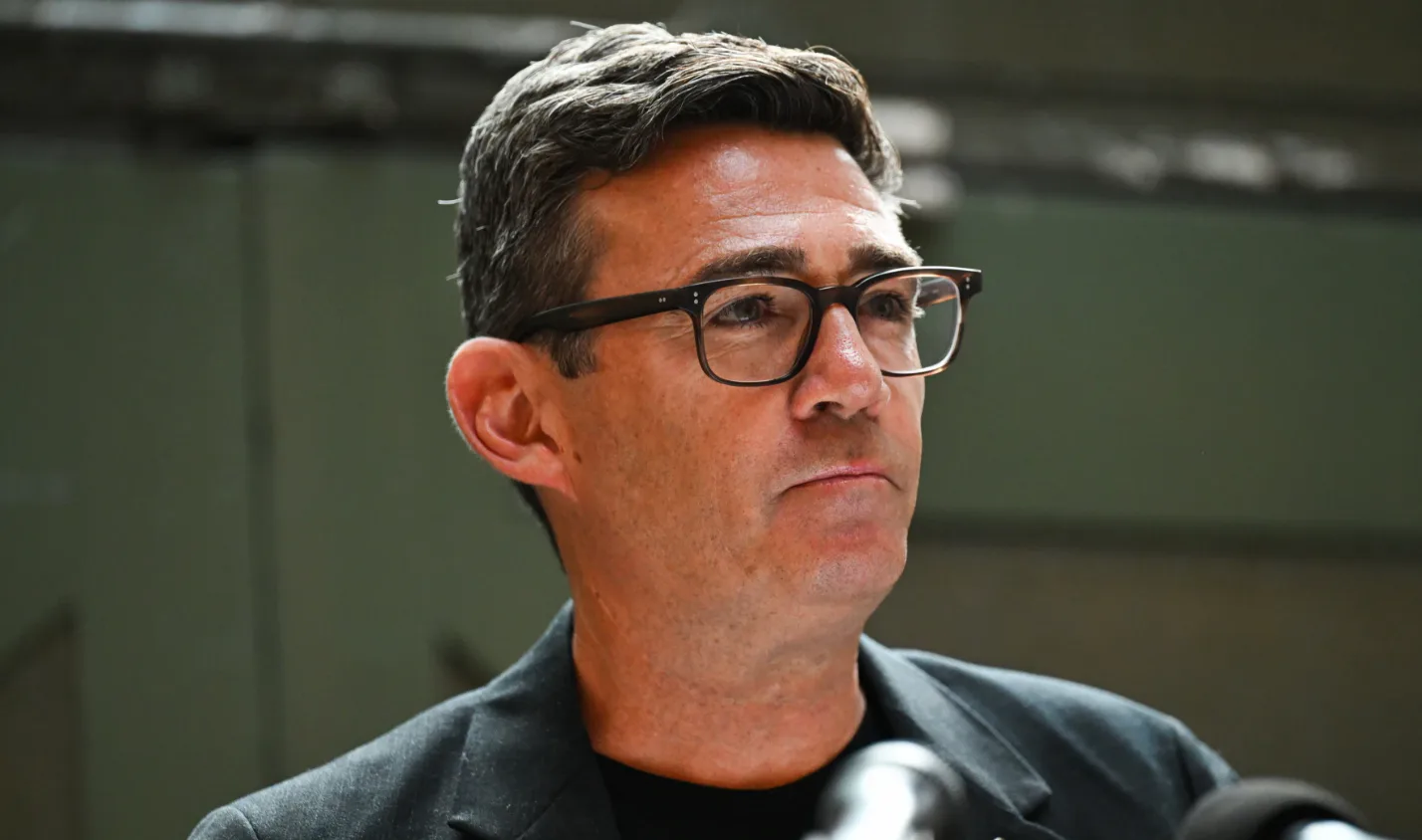
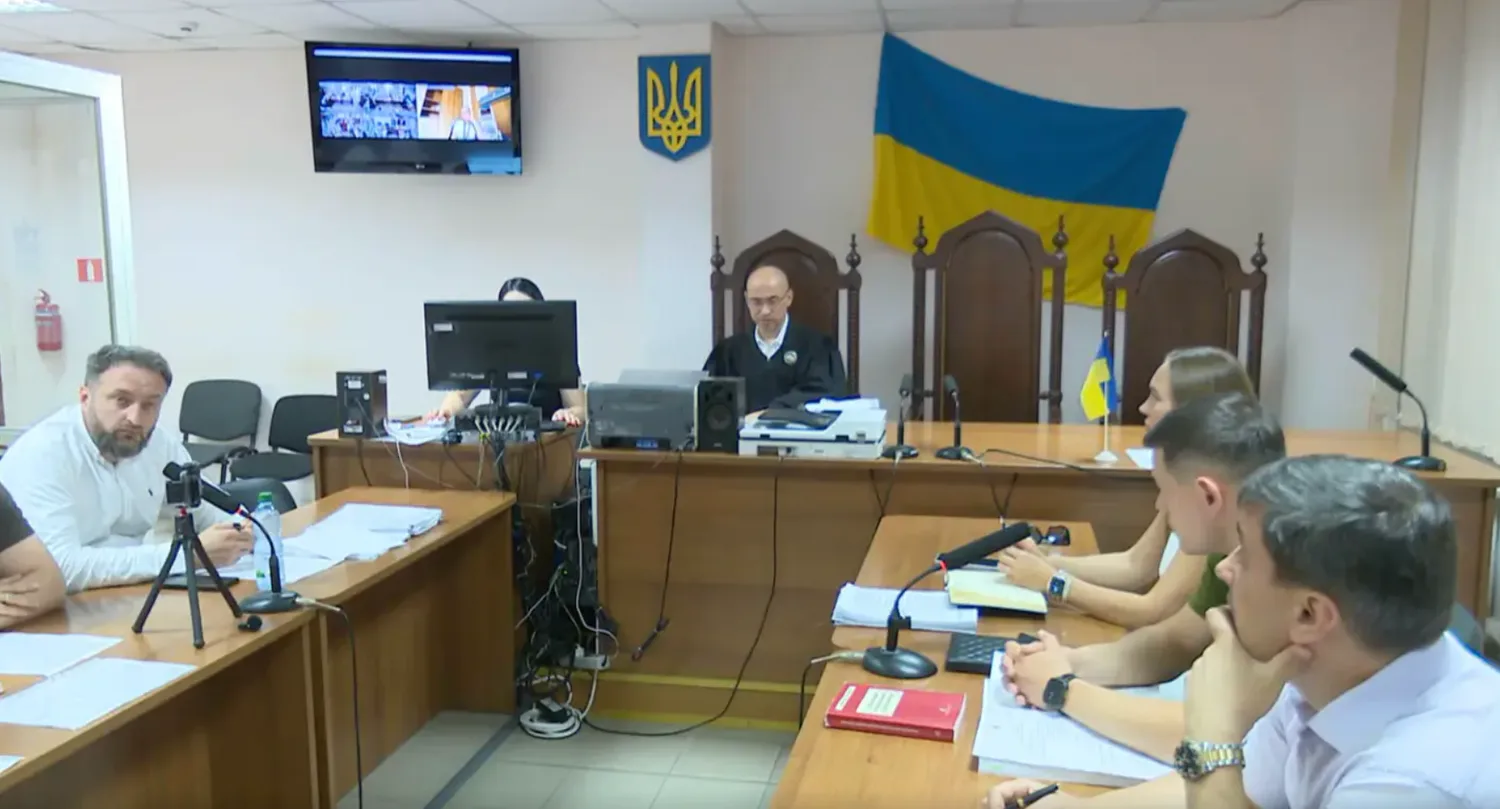
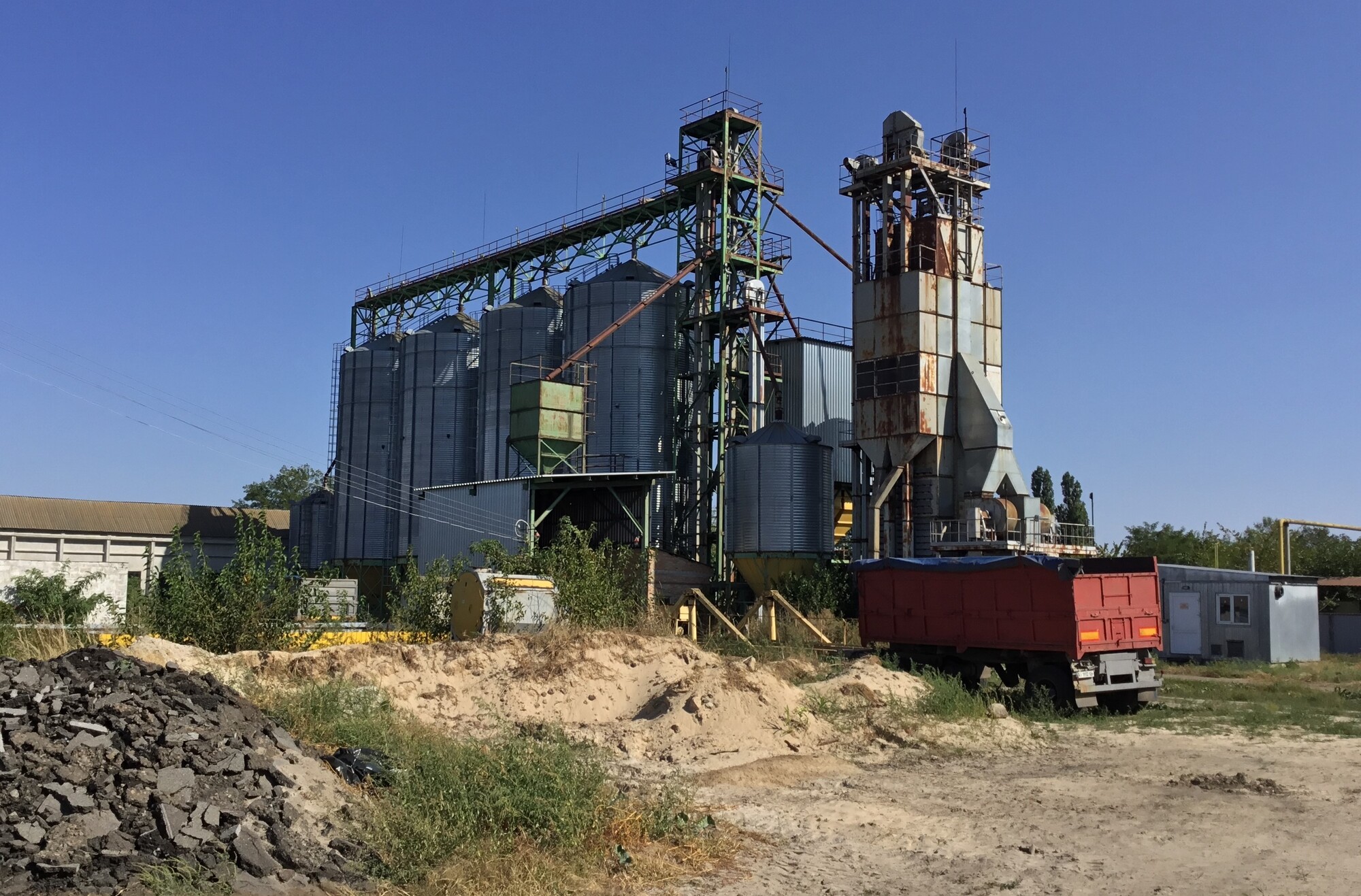
The company "Sosnova Agro", owned by member of the Kyiv Regional Council Yuriy Pavlushko, purchased an unfinished grain-processing complex in the village of Sosnova, Boryspil district, for UAH 6.9 million. Information about the auction result was published on the Prozorro.Sales website.
"This is reported on the Prozorro.Sales website."
— Prozorro.Sales (privatization announcement)
How the auction went
The asset was sold on the third attempt after the starting price was reduced by 50%. The sole participant in the auction was Pavlushko's company — the asset had been on its balance sheet since 2009. The complex includes a mill with equipment, a grain dryer, eight silos and auxiliary buildings with a total area of 688.5 sq. m and a completion level of 89%. The land plot was not part of the sale.
Why it matters
First, restoring or completing such a complex directly affects local logistics and grain-processing capacity — a critical element for the resilience of the agricultural sector during and after the war. Second, the sale of state property at a significant discount runs parallel to a trend of growing investor interest in elevator infrastructure (recall: deals involving major players — examples with Kernel and projects supported by UkraineInvest).
Finally, the fact that the buyer was the company that had been holding the asset in storage raises questions about competition and the transparency of the procedure — this matters not only for the reputation of privatization but also for business and public trust in the state asset market.
Context and social proof
Market analysts note that in recent months there has been a redistribution of elevator capacity: some assets are moving into the hands of large operators or local investors willing to invest in modernization. In this sense, the purchase in Sosnova is not an isolated case but part of a broader sectoral dynamic.
What’s next
The key question is whether the complex will be completed and how transparent the project's implementation will be. For the local economy, a positive scenario means jobs and greater processing capacity; a negative one means merely a change in formal ownership without investment. The next signals — further investments in modernization, permits, and reports on the use of the facility — will determine the real effect for the community and the market.
Summary. The sale in Sosnova is a signal of how the modern infrastructure of Ukraine's grain vertical is being formed: an opportunity to restore capacity and, at the same time, a test for mechanisms of transparent privatization.