What intelligence shows
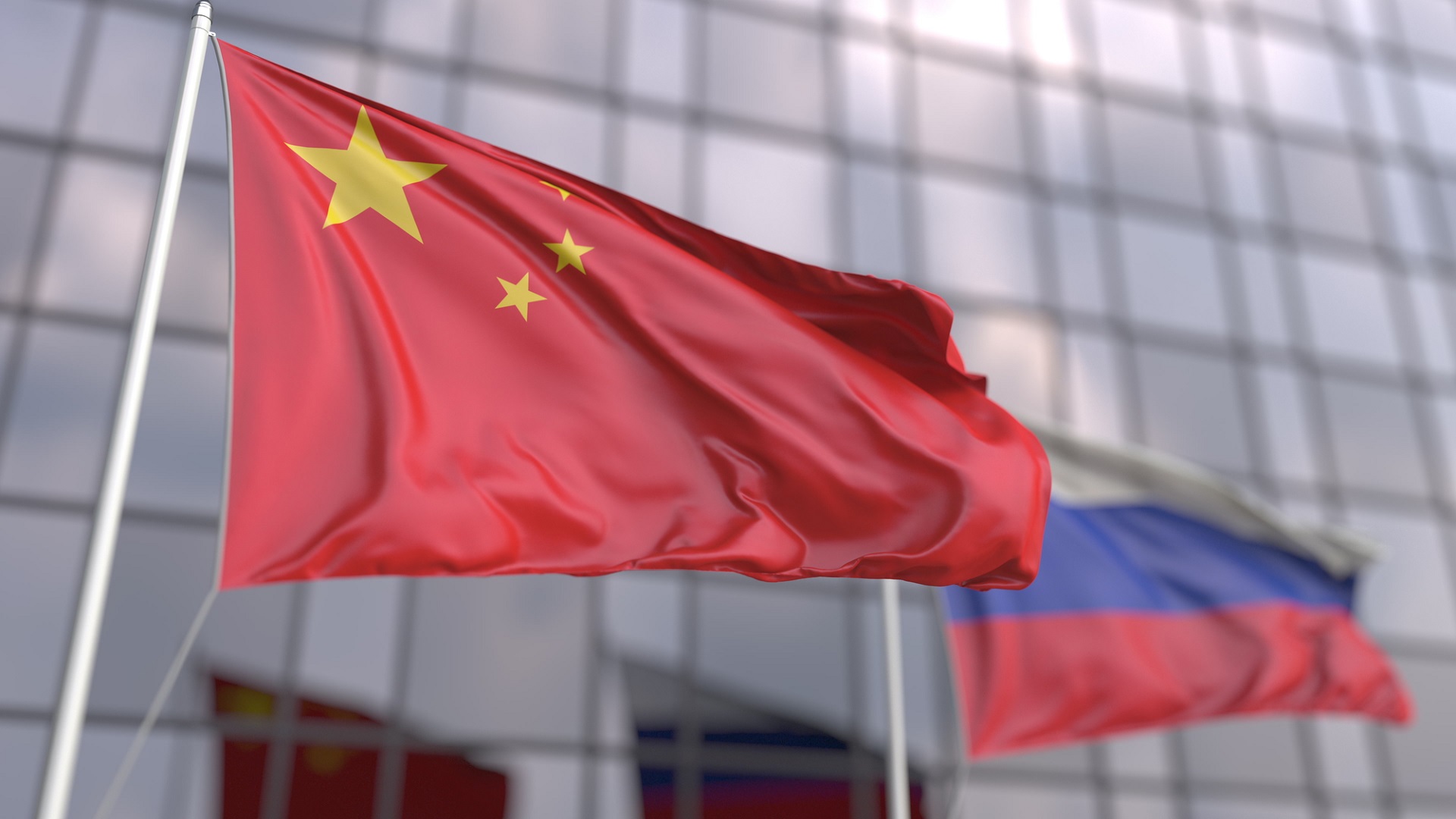
The Foreign Intelligence Service of Ukraine reports: the volume of accumulated Chinese investment in Russia is effectively frozen at $17.4 billion. After a short-lived rise in 2022, the inflow of capital from China stopped, and by 2025 the total amount had not increased.
Where the money goes — and what's missing
The only notable increase was expansion in the sector of financial services (+50%). Chinese banks are increasing their presence not to finance large industrial projects, but to serve trade and payment channels. Meanwhile, the raw materials sector — traditionally attractive to Beijing — contracted from $9 billion to $8.8 billion.
"Chinese investors are acting as pragmatically as possible, entering the Russian economy only to the extent they deem safe in light of sanctions risks, or avoiding investments altogether"
— Foreign Intelligence Service of Ukraine
Additional risk: gold
At the same time, trade dynamics have another side: in 2025 Russia increased exports of gold to China — 25.3 tonnes were sold, nine times more than a year earlier. This allows obtaining liquidity outside banking channels and partially compensating for the lack of traditional investments.
Why this matters for Ukraine
Beijing's pragmatic stance has a twofold effect for us. On one hand, the absence of large-scale Chinese investment in industry and energy limits Russia's ability for long-term reconstruction and technological rearmament. On the other, the strengthening of precious-metals trade creates alternative sources of financing for the aggressor.
Short forecast and questions for partners
Analysts expect that China will maintain a cautious balance: preserving economic ties with Russia while avoiding open investment in sensitive sectors. This gives Ukraine room for international coordination — strengthening financial monitoring, putting pressure on precious-metals trade channels, and working with partners on restrictions that will make sanctions evasion impossible.
Whether statements and figures will be turned into effective policy is now the key question for our allies.