Briefly
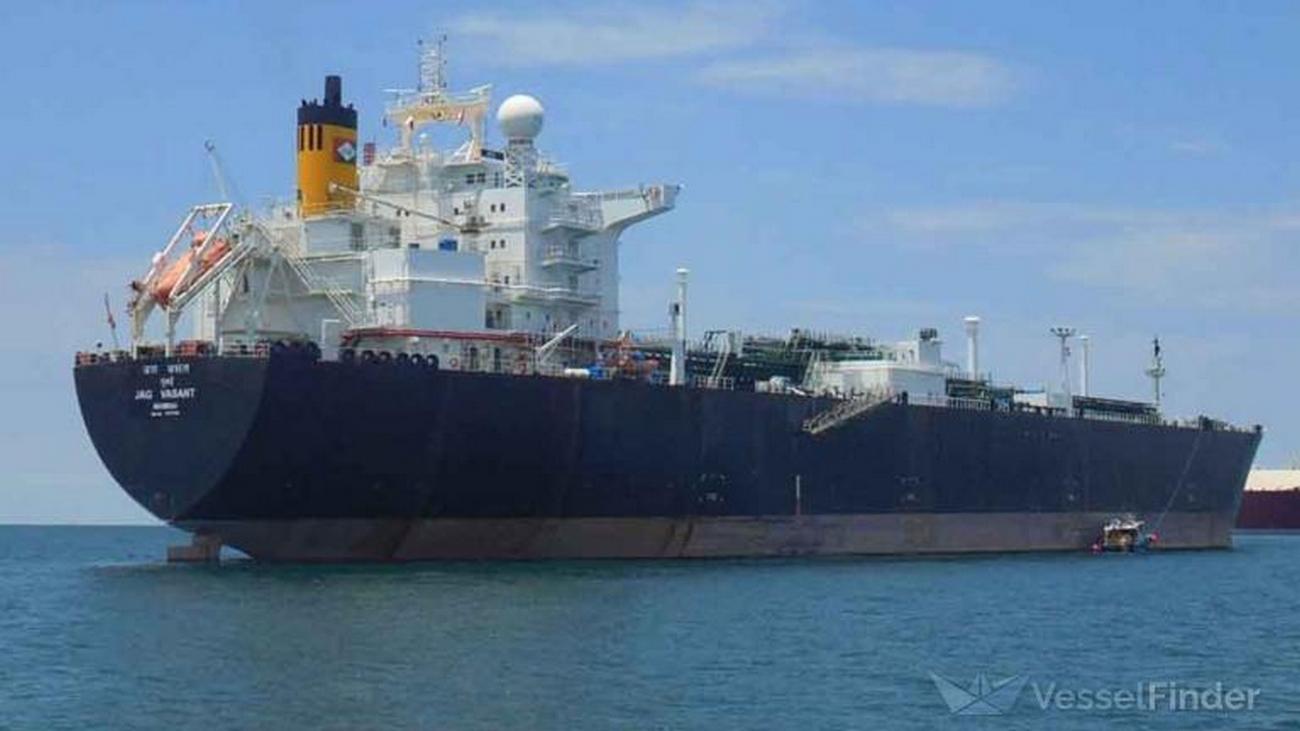
Reuters, citing sources, reports that two Indian LPG tankers — Pine Gas and Jag Vasant — are anchored off Sharjah and are preparing to transit the Strait of Hormuz. According to an agency interlocutor, the voyage could begin on March 21.
Why it matters
The Strait of Hormuz is a key maritime corridor for oil and petroleum products. According to the International Energy Agency (IEA), in 2025 it carried on average about 20 million barrels of oil and petroleum products per day, or roughly 25% of seaborne oil trade. Restrictions on movement there immediately cause route diversions, higher shipping costs and price shocks in the market.
"In 2025 the Strait of Hormuz carried on average 20 million barrels of oil and petroleum products per day — about 25% of global seaborne oil trade."
— International Energy Agency (IEA)
What India is doing this time
According to reports, India is strengthening its naval presence in the Gulf of Oman and the Arabian Sea to escort its vessels. It is a pragmatic step: with domestic demand for gas and fuel rising, the state is protecting supply logistics rather than relying solely on diplomatic assurances.
The Financial Times (FT) also highlighted worsening energy problems in India, where a gas shortage has already affected businesses and services. For the global market, this means even greater demand for reliable routes and increased price volatility.
Implications for Ukraine
Fluctuations in energy prices are being felt here as well. Ukraine has already seen spikes in fuel prices — partly due to external shocks in the energy market. Even if restrictions in the Strait of Hormuz are temporary, they could raise the cost of imported fuel and create additional inflationary risks.
For the state and businesses, this is a signal: diversifying supplies, maintaining strategic reserves and ensuring logistical flexibility become not an option but a necessity.
What to watch next
Three key indicators to follow: 1) whether Pine Gas and Jag Vasant actually depart on March 21; 2) whether India increases escorts and whether that prompts regional military responses; 3) price dynamics for LPG and oil on global exchanges. If movement restrictions persist, expected price swings could affect domestic fuel markets.
Conclusion
This is not a local story about two ships — it is a test of the resilience of global supply chains. For Ukraine, practical steps matter as much as diplomatic statements: precautionary reserves, operational coordination with partners and readiness for logistical rerouting. The next move is up to those who ensure the security of sea lanes and the stability of markets.







