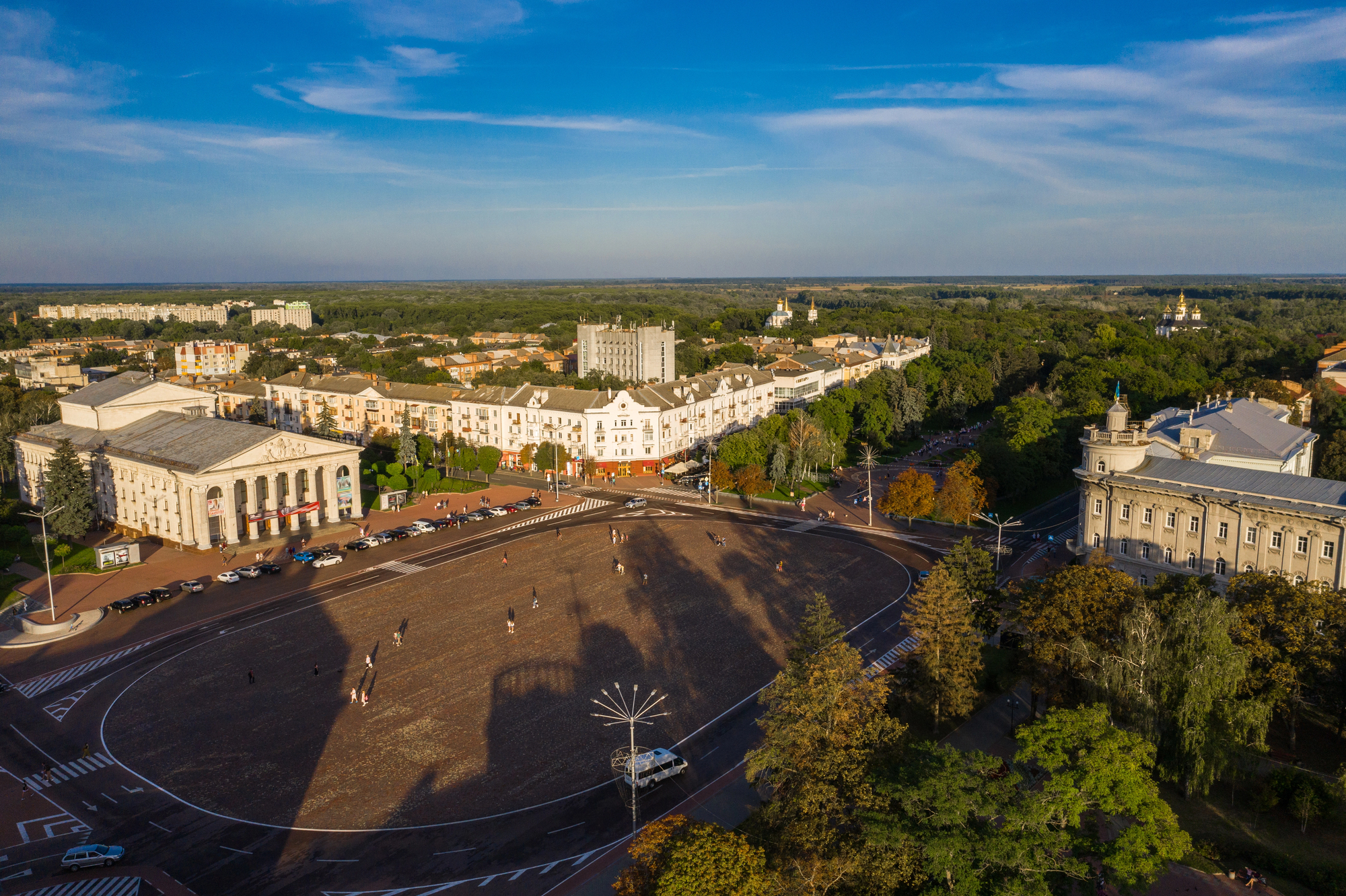
What happened
According to the press service of the Chernihiv City Council, due to Russian strikes on the region's energy infrastructure the regional center and neighboring districts were left without power.
"Chernihiv is completely without power as a result of strikes by the Russian Federation on the energy infrastructure (facilities on the territory of the region)"
— Press service of the Chernihiv City Council
Consequences for residents and transport
Chernihivoblenergo reported damage to a major energy facility in Nizhyn district — as a result, 430,000 customers in Nizhyn, Pryluky and Chernihiv districts were left without electricity.
In the city, critical and social facilities were switched to power from alternative sources. Trolleybuses suspended operation, and Ukrzaliznytsia reports delays to a number of trains due to a lack of voltage in the contact network.
"Energy crews have already begun emergency restoration work!"
— Chernihivoblenergo
Why this matters
Targeted attacks on the energy sector are part of a tactic that simultaneously disrupts daily life, logistics, and the operation of medical and social services. LIGA.net previously examined in detail how regular strikes on energy infrastructure, combined with freezing weather, affected heating, power supply and transport — this incident revives the same risks.
What they're doing and what to expect
Local services and energy crews are already working on restoration. Short-term measures include switching critical facilities to backup sources and having repair crews on site; medium-term actions involve assessing the scale of the damage and planning repairs. Weather conditions and ensuring repair crews can access damaged areas remain important factors.
This is a reminder of two things: first, why investments in energy resilience and backup capacity are not a luxury but a necessity; second, that the speed of repairs affects both transport operations and the safety of hospitals. Whether there will be enough resources and coordination to minimize the consequences is a question residents and authorities are now awaiting an answer to.





