The gist
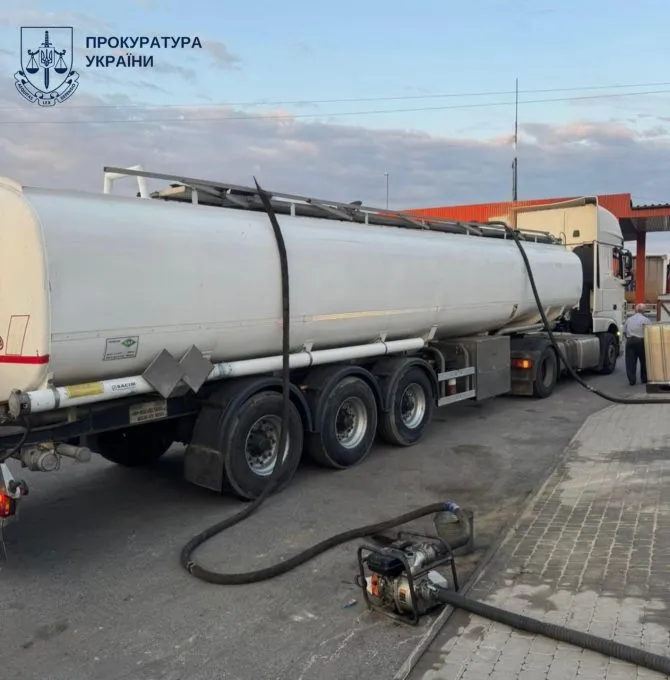
Prosecutors of the Kyiv Regional Prosecutor’s Office have informed five members of an organized group of suspicion on counts of illegal manufacture and sale of excisable goods (parts 2 and 3 of Article 28, parts 1 and 2 of Article 204 of the Criminal Code of Ukraine). According to the investigation, from May 2024 to July 2025 the suspects established the supply of counterfeit fuel through a network of gas stations, using an illegal fuel depot in the Bila Tserkva district of Kyiv region.
How it worked and the risks
The scheme followed a familiar pattern: illegal storage and reprocessing, delivery to controlled gas stations and sale off the books — without quality certificates and with concealment of origin. This is not only tax evasion: the quality of the fuel affects road safety, the lifespan of engines in private vehicles and machinery, and in wartime — the reliability of logistics supplying the front.
"The suspects organized the sale of counterfeit fuel through a network of gas stations..."
— Kyiv Regional Prosecutor’s Office
During searches, law enforcement seized over 57,000 liters of gasoline, almost 85,000 liters of diesel fuel, 4,500 liters of liquefied petroleum gas (LPG) with an estimated value of over UAH 8 million, as well as 29 storage tanks and equipment for storage and transportation. In the suspects' residences, authorities found financial documents, rough records, mobile phones and more than UAH 18 million in cash.
Why this matters to the reader
Two areas of interest intersect here: money and safety. First, selling fuel off the books means annual losses in budget revenues, which during wartime weakens the state's financial resilience. Second, using substandard fuel increases risks for motorists and for specialized equipment on which logistics and military supplies depend.
What’s next
The case has been forwarded to investigators — and this is not just a criminal probe. The question is whether the revelations will lead to remote quality monitoring, tougher inspections of fuel depots and more transparent supply chains. Fuel market experts emphasize: without systemic control, such schemes will reappear.
Summary: the bust in Kyiv region is a signal to regulators and consumers. Law enforcement has shown it can reach the sources, but whether this will change market practices is a question for the next steps from the state and business.







