What happened
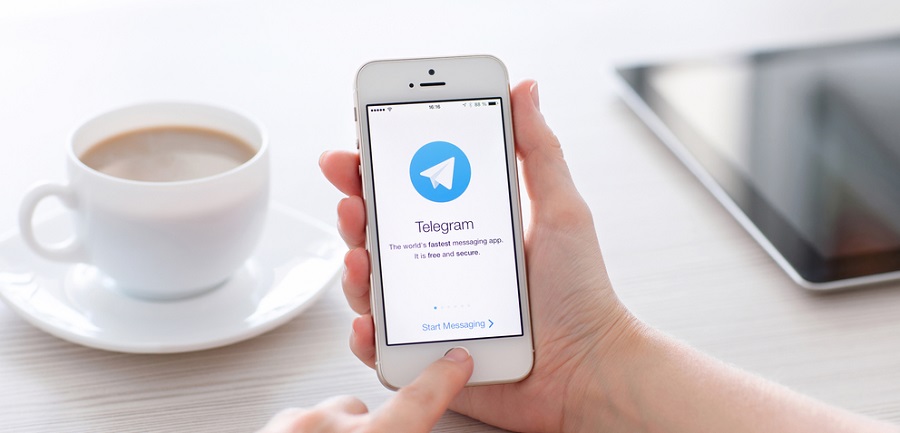
Financial Times reports that Telegram cannot redeem Russian bonds worth $500 million, because those securities were blocked in the Russian National Settlement Depository (NSD) after Western sanctions were imposed.
Context and reason
In May the messenger issued bonds worth $1.7 billion to refinance existing debt. Most of the securities were redeemed, but a portion of $500 million remained in the Russian depository. After 2022 the EU, the US and the UK imposed restrictions on the NSD — technically this became the basis for blocking the assets.
What Telegram says
"Telegram informed bondholders that it will redeem the frozen debt when it matures."
— Telegram, message to bondholders
Financial picture
Despite problems with part of the bonds, the company is showing growth: in the first half of 2024 Telegram earned $870 million — 65% more than in the comparable period. Approximately $300 million of revenues are related to exclusivity deals and the integration of Toncoin.
Why it matters for Ukraine and partners
Blocking in the NSD is not just a technical glitch, but a public signal: sanctions are working at the level of financial infrastructure. For Ukraine this is an additional indicator — international pressure weakens the Kremlin's financial capabilities and makes access to capital markets more difficult.
"The securities were blocked in the National Settlement Depository of Russia."
— Financial Times
Risks and scenarios
1) Telegram can redeem the frozen debt when it matures, but funds may be delayed by procedural disputes between the paying agent and the depository.
2) Investors receive a signal of increased riskiness of Russian instruments and operations through the NSD.
3) For the sanctions architecture this is a precedent: even companies trying to distance themselves from Russia feel the technical and legal consequences of the restrictions.
Conclusion
This story is not just about $500 million. It's a test of how effectively sanctions can cut off the Kremlin's financial channels and how quickly international partners turn political pressure into long-term restrictions. For Ukraine it's important to follow not only the headlines, but how these mechanisms work in practice.







