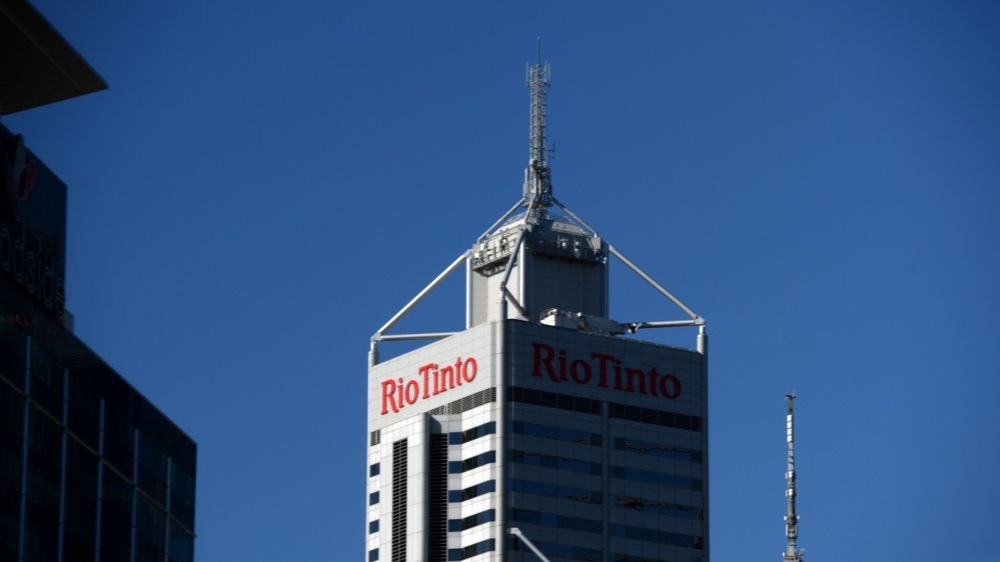
Context of the talks
According to Reuters, Glencore CEO Gary Nagle hopes that the recent rise in coal prices will prompt Rio Tinto to return to talks on creating a joint company. Earlier this year the parties discussed a deal worth about $240 billion that would combine Glencore's marketing business and copper assets with Rio Tinto's operational expertise, but negotiations reached an impasse.
Main obstacle: valuation and stakes
According to Bloomberg, the key stumbling block was Glencore's valuation. The company insisted that its shareholders receive 40% of the combined structure. Due diligence did not reveal significant problems, but Rio Tinto deemed the proposed split unacceptable. In addition, disagreements concerned the value of Glencore's undeveloped Argentine copper deposits.
Market reacts — but not enough
Since January 7, coal prices and Glencore shares have risen by roughly 26%, while Rio Tinto shares are up about 9%, yet a drop in iron ore prices has curtailed overall gains. Glencore is hoping that price moves will change the relative valuation of the companies and make a compromise easier, but analysts warn that more than a short-lived uptick in quotes is needed to shift Rio Tinto's position.
"I don't understand how Rio Tinto can change its mind in six months just because coal has risen and iron ore has fallen"
— one of the investors familiar with the talks
What this means for the copper market and for Ukraine
If the deal goes through, the combined company could claim the title of the world's largest mining group and become a leading copper producer. This would have direct consequences for global supply and prices, and therefore for the sectors on which Ukraine's reconstruction and security depend: electrification, energy infrastructure, and the production of strategic components.
Framing it this way is important: it's not so much about a corporate saga as about how concentration of assets and shifts in market power will affect the cost of materials during the country's recovery and the strengthening of its defense capabilities.
Prospects and risks
Legally, Rio Tinto could resume talks no sooner than six months under UK takeover rules. But even after dialogue is renewed, the decisive factors will not be short-term price swings but the parties' willingness to compromise on asset valuation and governance structure. Analysts note that the Argentine copper projects and long-term copper demand forecasts will be key arguments in the next round.
Conclusion
Negotiations between two commodities giants are not just about shareholdings. They are about how the availability and price of critical materials will change in the coming years. For Ukraine, this is a signal: it is important to monitor structural changes in the copper market and to strengthen diversification of supplies and domestic capabilities for processing and substitution. Whether market fluctuations will turn into a real second chance for the deal is a question not only for investors but also for countries planning reconstruction and infrastructure modernization.







