Key statement
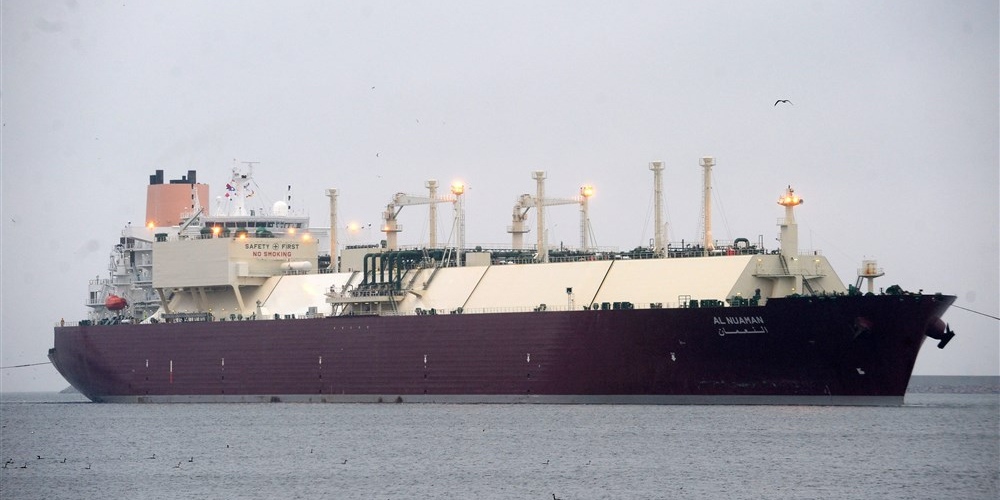
According to Bloomberg, Akshay Kumar Singh, head of India’s largest gas importer Petronet LNG, said the company is ready to increase purchases of U.S. liquefied natural gas — provided the price is competitive. The remark came amid easing trade tensions between the U.S. and India following reports of a planned tariff reduction by Washington.
“India seeks to supply energy at the most competitive and affordable price for consumers.”
— Akshay Kumar Singh, head of Petronet LNG
Why this matters for the market
India is the world’s fourth-largest LNG importer, and the government plans to raise the share of gas in the energy mix to 15% by 2030 from the current ~6%. Demand growth is linked to use in fertilizer production, city gas distribution, refineries and power generation. If New Delhi signs new long-term contracts with U.S. suppliers, this could:
• increase demand for long-term volumes and reduce the availability of spot cargoes; • spur investment in terminals and fleets, while at the same time temporarily putting pressure on prices during peak demand periods.
Additionally, bilateral trade in 2024–2025 is estimated at $132 billion with a surplus of around $41 billion in India’s favor — a factor that increases New Delhi’s economic interest in stable energy supplies.
Petronet’s specific actions
The company already imports gas from Qatar and Australia, is considering signing new long-term contracts and is expanding existing capacities. At the same time Petronet is implementing a project to build a new terminal on the east coast — a step that lays the infrastructure foundation for increased imports.
Implications for Ukraine
For Ukraine, global changes in LNG trade have two opposing implications. On one hand, higher demand from India could reduce the availability of spot cargoes and put additional pressure on global prices — a factor that complicates the recovery of European markets after winter peaks. On the other hand, if deals spur investment in additional U.S. export capacity and global infrastructure, in the medium term this could expand supply and reduce volatility.
Therefore for Ukraine it is important not only to monitor prices but also to accelerate its own diversification: storage, regional integration and investment in alternative energy sources remain key to energy security resilience.
What’s next?
If Petronet signs large long-term contracts with the U.S. — it will change the distribution of global LNG flows. Watch contract prices, shipment volumes and the pace of new terminal commissioning. For Ukraine the main question is whether the European market can adapt without new price shocks, and whether these global shifts can be used to strengthen its own energy resilience.







