What happened
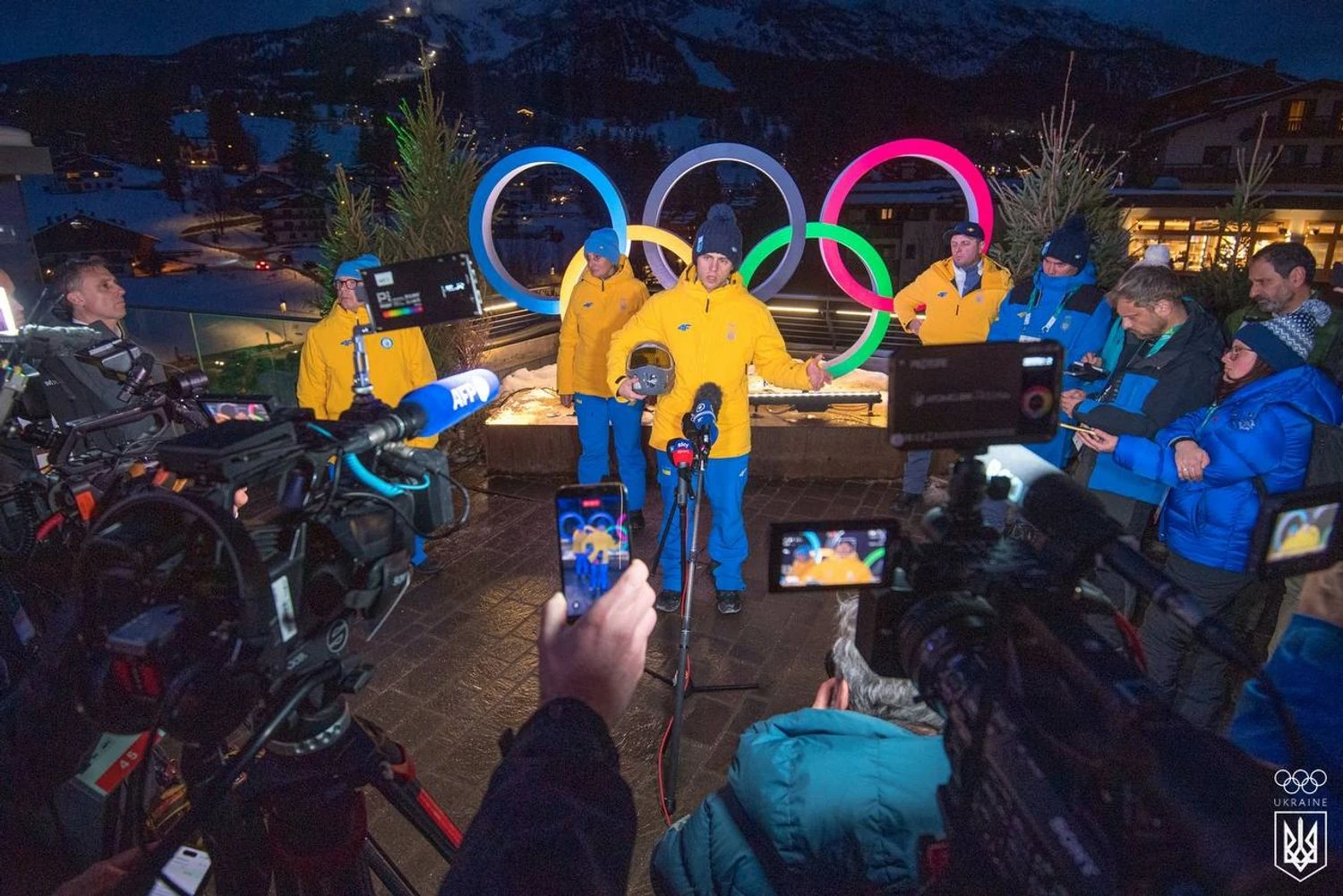
The European Union's Ambassador to Ukraine, Katarina Maternova, expressed outrage over the disqualification of Ukrainian skeleton racer Vladyslav Heraskevych. According to UNN, Maternova wrote on the social network X that the athlete was removed from the competition after he intended to start in a "helmet of remembrance" — as a sign of respect for fallen Ukrainian athletes and soldiers. Meanwhile, about 20 Russians and Belarusians are currently participating in the competitions in a neutral status.
"I am outraged. Skeleton racer Heraskevych was excluded after honoring fallen athletes, while 20 Russians and Belarusians compete as neutrals. The Olympic Games should symbolize unity and support, not punish someone for remembering"
— Katarina Maternova, EU Ambassador to Ukraine
Reaction and steps by the Ukrainian side
Heraskevych himself told reporters that he will file an appeal with the Court of Arbitration for Sport (CAS). Foreign Minister Andrii Sybiha condemned the IOC's decision, calling it a "shameful moment" and a "betrayal of the Olympic Code" — a stance that shifts the incident from a purely sporting matter into the diplomatic sphere.
Wider context: equipment, rules and double standards
This case is not isolated: earlier international bodies banned Ukrainian athletes from using their own equipment — freestyler Kateryna Kotsar and other athletes have been mentioned. Restrictions on equipment in short track have also been reported. For many experts and sports rights advocates, this signals that the application of rules regarding political or symbolic expressions is selective.
From the perspective of international law and precedent, the outcome of the appeal to the CAS is important not only for a single athlete: the decision could define the limits of permissible commemoration at future competitions and affect how sports organizations balance the principle of neutrality with the right to express remembrance.
What’s next
The situation creates dual pressure: legal — through the appeal to the CAS, and diplomatic — through statements by the EU ambassador and Ukrainian ministers. The question for the Olympic organizers and international federations is simple and at the same time complex: how to guarantee neutrality without depriving athletes of the opportunity to honor the deceased, when that gesture contains no calls to violence or political propaganda?
Analysts note that the IOC's and related organizations' response will affect not only the reputation of the Olympics as a platform of unity, but also the practical rules that will determine the boundaries of athletes' expression of civic and moral positions in the future.