What happened
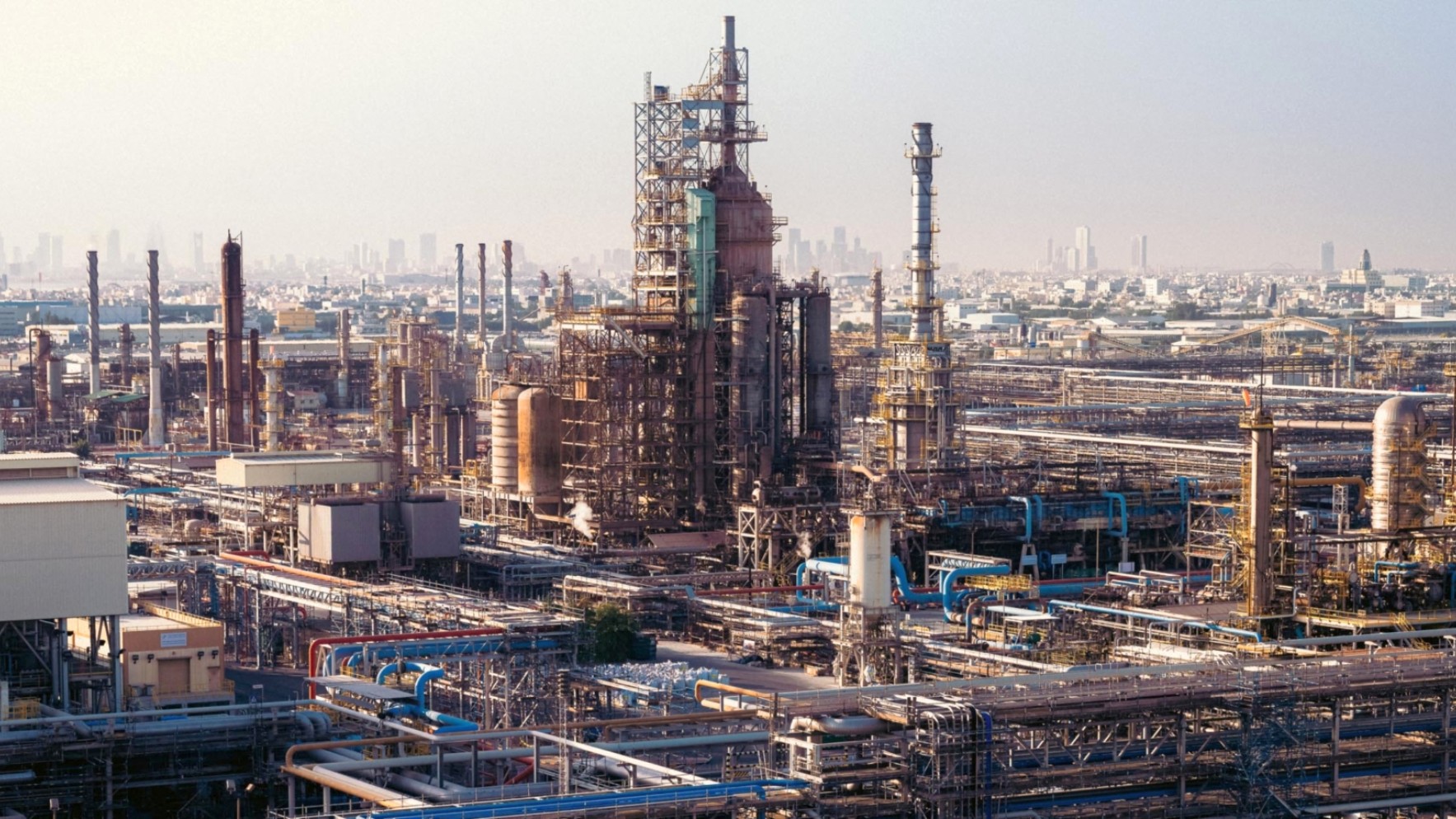
Bahraini company Bapco Energies declared force majeure after strikes hit its oil refining complex. The announcement was posted on the company's official website; as a result of the damage, part of the production capacity has been temporarily taken out of service.
"Due to Iranian strikes and attacks on the plant, we are forced to declare force majeure, which will affect the fulfillment of contractual obligations"
— Bapco Energies (official statement)
Why this matters for the market
Bapco is a key player in Bahrain's energy sector; its refinery has an estimated capacity of about 400,000 barrels per day. The outage of such resources increases pressure on the global supply‑and‑demand balance, especially when other risk factors are also at play.
The International Energy Agency (IEA) has already warned that the surplus seen since the start of 2025 could quickly turn into a deficit if escalation occurs in the Persian Gulf. In addition, supply disruptions through the Strait of Hormuz and the shutdown of the Ras Laffan complex in Qatar add to the uncertainty.
"Military actions can quickly turn a market surplus into a deficit — it's a matter of weeks, not months"
— International Energy Agency (analysis)
Several regional companies have already declared force majeure: QatarEnergy, Kuwait Petroleum Corporation, and Petronet LNG. Qatar's energy minister, Saad al‑Kaabi, has openly suggested that other export entities in the region may follow the same route.
"Gradually all oil and gas exporters in this region may declare force majeure"
— Saad al‑Kaabi, Qatar's energy minister (comment to media)
Implications for Ukraine
The consequences for Ukraine are multi‑layered. First, price impact: already in early March there was an increase in prices at Ukrainian filling stations — a direct market reaction to geopolitical risk. Second, supply logistics: difficulties for tankers transiting the Strait of Hormuz force export‑oriented producers to adjust output and routes, which affects global deliveries of diesel and aviation fuel, critical for both defense and civilian supply chains.
At the same time, this is a reminder of two strategic lessons for Ukraine: diversify fuel sources and accelerate procurement mechanisms — when partners declare assistance, it is important that it becomes actual deliveries, not paper promises.
What to expect next
In the short term — price volatility and greater demand for LNG, especially if gas storage levels remain low after the heating season. In the medium term — increased competition for resources among importing countries and higher insurance costs for maritime transports in the region. For Ukraine, this means energy security policy must be practical: reserves, smart spot‑market purchases, and strengthening logistical corridors.
Conclusion: the strike on Bapco is not just a local accident, but a signal to all market participants: geopolitics can rapidly change the supply‑and‑demand balance. The question now is not only who will restore the plant's operations, but who and how quickly will turn declarations of assistance into concrete deliveries.







